
In brief
Amid debates over their rehoming, experts warn releasing them into the wild is unfeasible due to their life in captivity, stressing their dependency on humans for social bonds and survival.
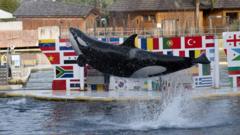
The fate of two killer whales at Marineland Antibes in France has become increasingly uncertain following the marine zoo's closure on January 5th due to new animal welfare legislation. This law bans the use of dolphins and whales in shows, putting pressure on the facility, which claims that these performances attract up to 90% of its visitors. Marineland, now described as Europe’s largest marine zoo, has faced pushback regarding proposals to relocate the orcas, Wikie, 23, and her 11-year-old son, Keijo.Campaigners are advocating for their transfer to a sanctuary rather than other zoos, which they believe may not provide a significantly better quality of life. Past suggestions included sending the whales to Japan, where animal welfare standards are considered more relaxed, leading the French government to block the proposal amidst concerns for their wellbeing.Experts express skepticism about releasing the animals into the wild. According to marine biologist Hanne Strager, both orcas lack the necessary survival skills, as they have been raised in captivity, leading to a comparison with adopting a dog and then releasing it to fend for itself in the wilderness. These orcas, having formed social bonds primarily with humans, are seen as unable to thrive independently in the wild.Additionally, a potential move to Spain's Loro Parque in Tenerife raises alarms for campaigners who fear the orcas would once again be subjected to performances. Historical context shows that this location has experienced multiple orca fatalities, prompting concerns about the welfare of Wikie and Keijo if relocated there. Plans from the Whale Sanctuary Project propose creating a protective bay off the coast of Nova Scotia, Canada, where the whales could utilize a natural habitat while receiving human care.The sanctuary endeavour's viability hinges upon support from the French government, as proponents argue it would provide the two orcas with a semblance of their oceanic upbringing. They assert that unlike previous captive orcas, such as Keiko from "Free Willy," Wikie and Keijo may initially find any freedom disorienting due to their lengthy confinement.The closure of Marineland Antibes represents a broader trend away from marine zoos, fueled by increased public scrutiny of animal welfare, a movement spurred by documentaries including "Blackfish," which spotlighted the advantages of humane treatment over captivity. Amidst all these developments, the future of Wikie and Keijo remains an open question as advocates push for a humane solution that recognizes the unique needs of these complex marine mammals.

