In the heart of Naftalan, Azerbaijan, attendees of the COP29 climate summit found themselves amidst a peculiar practice of bathing in oil, derived from deep underground deposits. This unique health ritual has drawn crowds from around the former Soviet Union, emphasizing the region’s long-standing relationship with its oil resources.
The innate clash between Azerbaijan’s embrace of its oil heritage and the urgent focus on climate change was palpable during the summit. As the world discusses strategies to combat fossil fuel emissions, locals proudly recount how their oil fueled significant historical events, including the Soviet Union’s efforts in World War II.
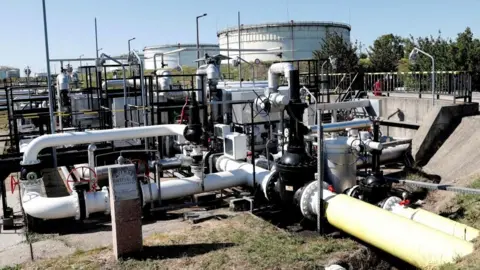
However, with Naftalan’s oil reserves dwindling—reportedly half consumed by 2022—both residents and visitors are becoming increasingly aware of the finite nature of this resource. Azerbaijani scientists claim therapeutic benefits from the non-burning oil, reinforcing local beliefs about its health properties.
As the world grapples with environmental challenges in Baku, the juxtaposition of a climate summit in a nation flourishing from oil extraction highlights the complexities inherent in the transition to sustainable energy sources. This backdrop provides a unique lens through which attendees contemplate the future of energy in a world so deeply entrenched in its fossil fuel past.
The innate clash between Azerbaijan’s embrace of its oil heritage and the urgent focus on climate change was palpable during the summit. As the world discusses strategies to combat fossil fuel emissions, locals proudly recount how their oil fueled significant historical events, including the Soviet Union’s efforts in World War II.
However, with Naftalan’s oil reserves dwindling—reportedly half consumed by 2022—both residents and visitors are becoming increasingly aware of the finite nature of this resource. Azerbaijani scientists claim therapeutic benefits from the non-burning oil, reinforcing local beliefs about its health properties.
As the world grapples with environmental challenges in Baku, the juxtaposition of a climate summit in a nation flourishing from oil extraction highlights the complexities inherent in the transition to sustainable energy sources. This backdrop provides a unique lens through which attendees contemplate the future of energy in a world so deeply entrenched in its fossil fuel past.