
In brief
Five tourists, including individuals from the UK, Australia, the US, and Denmark, have died from suspected methanol poisoning in Laos. While authorities are investigating the case, the prevalence of methanol in alcoholic beverages remains a serious concern in poorer areas of South East Asia, highlighting the risks faced by tourists.
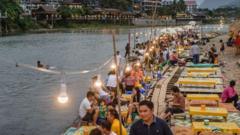
Recent incidents in Vang Vieng, Laos, have brought renewed attention to the hazards of methanol poisoning, with five foreign tourists reportedly succumbing to the toxic effects of contaminated alcoholic drinks. Among the deceased are two Australian women, a British woman, a US man, and two Danish nationals, while one Australian woman remains critically hospitalized. Although police investigations are ongoing, initial reports suggest that the victims consumed beverages laced with methanol, a dangerous substance often found in illicit alcohol.Methanol poisoning is not a new issue in South East Asia, particularly in impoverished areas along the Mekong River. Despite foreign governments' warnings regarding alcohol consumption, there remains a significant lack of awareness among tourists, especially within the backpacking community. The clear, colorless nature of methanol makes it nearly undetectable in drinks, with symptoms often taking hours to surface, complicating timely diagnosis and treatment.Methanol, which is frequently used in industrial and household products, can be lethal even in small quantities. Medical professionals indicate that drinking just 25ml could lead to grave health consequences, with symptoms ranging from vomiting to respiratory failure. If treated promptly within the first 30 hours, patients have a better chance of survival.Data provided by international medical organizations shows that Asia bears the highest rates of methanol poisoning globally. Countries such as Indonesia, India, Cambodia, Vietnam, and the Philippines report frequent outbreaks. Notably, Indonesia has the highest occurrence of poisonings attributed to the widespread production of home-brewed alcohol.In regions like Laos, where law enforcement is under-equipped and there are few regulations governing food and beverage standards, the likelihood of contamination increases. Counterfeit alcohol production, in which methanol is used rather than ethanol, is a known practice among unscrupulous manufacturers looking to cut costs.While the problem of methanol poisoning exists, many experts argue that it typically arises from the production side, rather than intentional harm from bar owners. A Western diplomat in the area noted that significant public education efforts are essential to mitigate the risk for tourists.Following the recent deaths, several Western governments updated their travel advisories to caution tourists about the dangers linked to consuming alcohol in South East Asia. Some advocacy groups have previously highlighted these risks, launching campaigns aimed at raising awareness among travelers. However, industry insiders believe that complete avoidance of alcohol may be the only foolproof solution for tourists wishing to remain safe during their holidays, as verifying the source of every drink is impractical.


