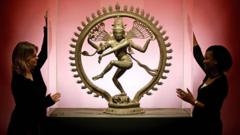
Before their rise to power, the Cholas were just one of many factions in an area marked by conflict. A notable figure in the dynasty was Raja-Raja himself, who would lead his armies to victory, expanding Chola influence into the island of Lanka and parts of the Deccan Plateau. Under his reign, the empire amassed unbelievable wealth through conquest, allowing for the lavish dedication of resources to monumental projects like the Brihadishvara Temple, which served numerous civic functions and created extensive agricultural systems.
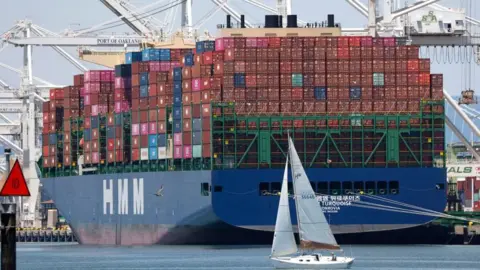
The Chola dynasty's significance stretched beyond territorial gains. Raja-Raja's successor, Rajendra Chola, engaged in international trade and formed crucial alliances with local merchant groups. Evidence suggests that Tamil merchants traveled across Southeast Asia, establishing trade relations and cultural exchanges that would influence regions as diverse as China, Indonesia, and Thailand.
During this era, Indian Ocean trade flourished, with Chola economic systems innovatively linking far-off regions. This period saw a rich interchange of ideas, cultures, and goods, as Tamil artisans produced exceptional metalwork and literary figures crafted poetic legacies that are still celebrated today.
Ultimately, the Chola dynasty exemplifies a period of remarkable achievement that laid the groundwork for later developments in Indian history while shaping the dynamics of global trade and cultural exchange, enriching both India and the world at large. With their impressive temples, extensive trade networks, and a remarkable fusion of cultures, the Cholas remain a striking example of medieval innovation and influence.
The Chola dynasty's significance stretched beyond territorial gains. Raja-Raja's successor, Rajendra Chola, engaged in international trade and formed crucial alliances with local merchant groups. Evidence suggests that Tamil merchants traveled across Southeast Asia, establishing trade relations and cultural exchanges that would influence regions as diverse as China, Indonesia, and Thailand.
During this era, Indian Ocean trade flourished, with Chola economic systems innovatively linking far-off regions. This period saw a rich interchange of ideas, cultures, and goods, as Tamil artisans produced exceptional metalwork and literary figures crafted poetic legacies that are still celebrated today.
Ultimately, the Chola dynasty exemplifies a period of remarkable achievement that laid the groundwork for later developments in Indian history while shaping the dynamics of global trade and cultural exchange, enriching both India and the world at large. With their impressive temples, extensive trade networks, and a remarkable fusion of cultures, the Cholas remain a striking example of medieval innovation and influence.