
In brief
Memphis Mayor Paul Young received confirmation from President Trump regarding the National Guard's impending deployment to tackle crime in the city. Although recent reports indicated a decrease in crime rates, Young remains skeptical about the effectiveness of this measure. He stressed the importance of driving the engagement in the community while reflecting on past uses of the National Guard during crises.
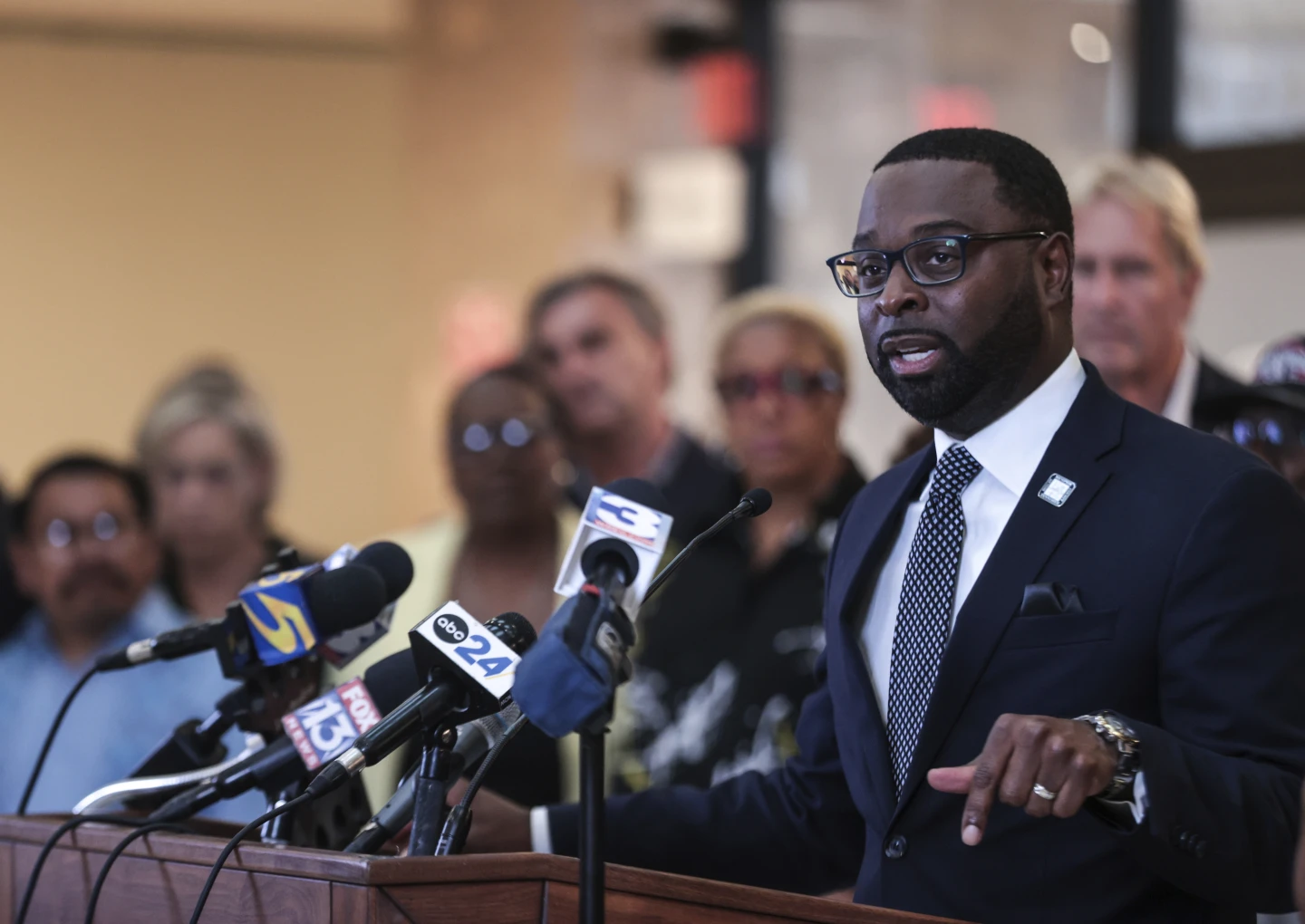
NASHVILLE, Tenn. (AP) — Memphis’ mayor said Saturday that President Donald Trump’s TV announcement the day before was the first hard confirmation he received that the National Guard would be sent to the city on an anti-crime mission.
Speaking on CNN, Mayor Paul Young said he learned the idea was under consideration when Republican Governor Bill Lee’s office informed him earlier in the week. The Democratic mayor indicated that discussions had been ongoing about increasing law enforcement presence through various federal agencies.
On Friday morning, Trump announced on Fox News that Memphis is “deeply troubled” and similar to actions taken in Washington, he would deploy the National Guard and surged federal law enforcement.
When asked if he had prior confirmation before Trump’s announcement, Young replied: “No, that was the confirmation.”
Despite days of reports indicating drops in major crime categories, with police citing a 25-year low overall, Young expressed concerns about the long-standing issue of gun violence in Memphis.
In 2023, the city wrestled with a record 390 homicides. Young is not pleased with the deployment, stating he did not request it and is skeptical about its ability to reduce crime.
Details remain in flux
The specific roles and number of troops to be deployed are still being determined, according to Young, who will learn more next week. He highlighted previous deployments like the one in 1968 following the assassination of Martin Luther King Jr. as a historical reference point for current concerns.
National Guard’s roles
The National Guard has previously assisted in various situations, from natural disasters to civil unrest, and has filled numerous roles during the COVID-19 pandemic. Young suggested potential roles for the guard, such as monitoring public events and assisting law enforcement with surveillance.

