
In brief
While Delhi often dominates headlines for air pollution, cities in northern India are facing severe smog issues, with many residents experiencing notable health impacts. Pollution in areas like Chandigarh and Meerut frequently surpasses safe limits, raising concerns over the long-term health of millions.
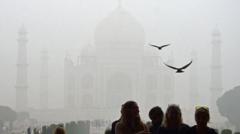
The iconic Taj Mahal in the northern city of Agra is frequently shrouded in toxic smog, highlighting a growing concern that primarily affects northern India beyond just Delhi. Imran Ahmed Ali, a lawyer from Chandigarh, shares his distressing experience of grappling with the effects of severe air pollution. "When I stepped out of my house, it felt like I was inhaling smoke," he says. Chandigarh, situated approximately 240 km from Delhi and known as India's first planned city, has recorded pollution levels exceeding 15 times the World Health Organization's recommended limits for over a month. Like many residents, Mr. Ali has never felt so unwell. Initially attributing his symptoms to a seasonal cold, he later learned from a doctor that pollution was to blame, leading him to require medication for his breathing difficulties.The situation in northern India is alarming; according to Swiss firm IQAir, eight of the ten most polluted cities in the world last year are located in the Indo-Gangetic plains, which encompasses areas of northern and eastern India, as well as parts of Pakistan and Nepal. A recent report from the University of Chicago confirms this region, home to over half a billion people, as India's most polluted area, predicting a potential reduction in life expectancy by 5.4 years due to chronic air pollution.Contrary to the focus on Delhi's pollution, which receives substantial media attention, other northern cities experience dire conditions but lack the same level of action and awareness. Partha Basu from the Environmental Defense Fund highlights that Delhi's policies often overshadow the pollution crises in surrounding areas. While annual action plans aim to mitigate smog in Delhi, solutions are lacking for numerous towns and villages.Multiple factors contribute to the pollution crisis in northern India. Construction activities, vehicular emissions, industrial discharges, and the burning of agricultural residue intensify environmental degradation every winter. Cold air conditions trap pollutants near the surface, with local geography adding to the severity. Health experts underline the risks associated with this toxic air. Dr. Rajesh Gupta from Fortis Hospital notes that patients frequently report ailments like burning eyes, difficulty breathing, and worsening chronic conditions. Vulnerable populations such as children and the elderly bear the brunt of respiratory issues during this smog-prone season.The psychological strain is evident as well; Aditi Garg from Meerut laments the loss of her serene morning balcony moments to worsening air quality. "I don't have an option but to stay inside; this is the best I can do," she states, acknowledging the mental burden caused by unrelenting pollution.Meanwhile, many residents remain unable to escape the smog. In Uttar Pradesh, a high proportion of laborers are forced to work outdoors, exposing themselves to hazardous air daily. Mohammed Salim Siddiqui, an auto spare parts vendor, finds his family struggling with respiratory illness due to the pervasive pollution.Although initiatives like the National Clean Air Programme (NCAP) have been launched to address pollution in Indian cities, experts urge that more decisive action and better cooperation between governmental levels are essential. Mr. Basu observes that insufficient dialogue regarding air quality hampers effective intervention. Likewise, voices like Mr. Ali and Ms. Garg reflect a concerning acceptance of toxic air as a routine part of life, highlighting the need for urgent awareness and action.
