Illegal trade booms in South Africa's 'super-strange looking' plants
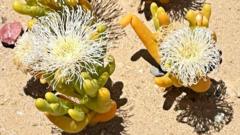
A biodiversity hotspot in southern Africa is witnessing a troubling rise in illegal trade of unique protected plant species, with criminals exploiting overseas demand. A livestock farmer shares her frustrations, highlighting the social and ecological ramifications of rampant poaching in the region. The focus is primarily on succulents, exceptional plants capable of thriving in arid climates, many of which are endemic to the Succulent Karoo desert.
The diverse succulent species, known for their varied forms and vibrant hues, are being harvested from their natural habitats. The poaching crisis, intensified during the COVID-19 lockdown, has reshaped local dynamics, with organized crime syndicates recruiting locals to gather and ship these plants abroad, driven by increased global curiosity and demand for houseplants.
Kamieskroon, a small town in Namaqualand, has become a hotspot for illegal collectors. Conservation experts report that certain localized species have already faced extinction due to overharvesting, with estimates indicating that thousands of plant species' survival hangs in the balance. Between 2019 and 2024, approximately 1.6 million illegally taken succulents were seized in South Africa, though the actual figure is presumed to be significantly higher.
The South African government is attempting to tackle the crisis with strategic measures, including educational initiatives for local communities about environmental stewardship. For conservationists like Pieter van Wyk, this disturbance stems from a surge in global interest, worsened by the pandemic's constraints. Local youths turning to plant poaching are responding to financial opportunities, fostering a steady flow of money that leads to social issues such as substance abuse and family neglect.
Local farmer perspectives highlight these challenges, revealing a complex relationship between poaching and economic need. However, the consequences are severe, with crime syndicates exploiting vulnerable communities while creating distrust and deepening social divides.
Meanwhile, consumer awareness campaigns, particularly in China where demand is high, aim to educate buyers on the origins of succulents, urging responsible consumption practices. Initiatives such as the "Clean Internet for Conophytum" campaign have reportedly led to significant declines in online advertisements for illegal plants.
Conservationists advocate for the sustainable cultivation of succulents to meet market demand while preserving natural populations. With legal nurseries like Van Wyk's at the forefront of plant recovery efforts, there's hope for renewed appreciation of these unique flora, emphasizing the balance between human desire and ecological preservation.
A biodiversity hotspot in southern Africa is witnessing a troubling rise in illegal trade of unique protected plant species, with criminals exploiting overseas demand. A livestock farmer shares her frustrations, highlighting the social and ecological ramifications of rampant poaching in the region. The focus is primarily on succulents, exceptional plants capable of thriving in arid climates, many of which are endemic to the Succulent Karoo desert.
The diverse succulent species, known for their varied forms and vibrant hues, are being harvested from their natural habitats. The poaching crisis, intensified during the COVID-19 lockdown, has reshaped local dynamics, with organized crime syndicates recruiting locals to gather and ship these plants abroad, driven by increased global curiosity and demand for houseplants.
Kamieskroon, a small town in Namaqualand, has become a hotspot for illegal collectors. Conservation experts report that certain localized species have already faced extinction due to overharvesting, with estimates indicating that thousands of plant species' survival hangs in the balance. Between 2019 and 2024, approximately 1.6 million illegally taken succulents were seized in South Africa, though the actual figure is presumed to be significantly higher.
The South African government is attempting to tackle the crisis with strategic measures, including educational initiatives for local communities about environmental stewardship. For conservationists like Pieter van Wyk, this disturbance stems from a surge in global interest, worsened by the pandemic's constraints. Local youths turning to plant poaching are responding to financial opportunities, fostering a steady flow of money that leads to social issues such as substance abuse and family neglect.
Local farmer perspectives highlight these challenges, revealing a complex relationship between poaching and economic need. However, the consequences are severe, with crime syndicates exploiting vulnerable communities while creating distrust and deepening social divides.
Meanwhile, consumer awareness campaigns, particularly in China where demand is high, aim to educate buyers on the origins of succulents, urging responsible consumption practices. Initiatives such as the "Clean Internet for Conophytum" campaign have reportedly led to significant declines in online advertisements for illegal plants.
Conservationists advocate for the sustainable cultivation of succulents to meet market demand while preserving natural populations. With legal nurseries like Van Wyk's at the forefront of plant recovery efforts, there's hope for renewed appreciation of these unique flora, emphasizing the balance between human desire and ecological preservation.