
In brief
As Bangladesh marks the anniversary of Sheikh Hasina's ouster, celebrations highlight aspirations for change amidst warnings of mob violence, rights abuses, and a resurgence of religious extremism. Activists push for gender equality reforms while facing backlash from hardliners, revealing the challenges that lie ahead in striving for a truly democratic future.
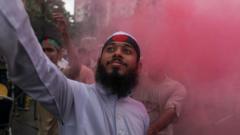
In a striking contrast of jubilation and caution, thousands of Bangladeshis gathered in Dhaka to celebrate the anniversary of Prime Minister Sheikh Hasina's ousting, envisioning a "New Bangladesh". The interim government's head, Muhammad Yunus, alongside political leaders and activists, outlined plans for societal transformation through unity and renewed governance. However, the current euphoric atmosphere hides a worrying backdrop of violence and rising religious extremism.As celebrations unfolded under heavy rain, activist groups reflected on the turmoil that has accompanied this political transition. Reports from human rights organizations indicate an alarming increase in mob violence and revenge attacks, jeopardizing the nation’s pursuit of democracy. Among those exiled is former Prime Minister Sheikh Hasina, who, from India, remains accused of leading a violent crackdown on dissent during her time in office.Women's rights advocate Shireen Huq voiced her concerns, articulating that, despite the regime change, entrenched misogyny continues to prevail. Although progress was marked by the establishment of a Women's Affairs Reform Commission aiming for gender equality, protests led by hardline Islamist groups disrupted these initiatives. The recommendations from the commission faced fierce opposition, demonstrating the ongoing struggle for women's rights within a volatile political landscape.The emboldened extremist factions, having been marginalized during Hasina's leadership, are pushing back against any societal changes. They have targeted not only women's freedoms but also the rights of minority faiths, including vandalizing Sufi shrines. Amidst this conflict, the broader populace exhibits deep-seated resentment towards the previous regime, seeking justice for alleged atrocities.The transitional government, while attempting to stabilize the country’s economic foundations—boasting robust foreign reserves and steady export rates—faces discontent as criticisms arise regarding the influence of student leaders in governance. Their role stems from their authentic involvement in the protests, yet critics argue that their authority may undermine diverse expression within the evolving political framework.Further complicating matters, the Awami League, now largely absent from power—many of its leaders languishing in exile or prison—claims it is being systematically silenced, igniting fears of an unrepresentative election cycle. The prospects for a fair electoral process hang in the balance, as calls for accountability and genuine democracy become increasingly urgent.With 2023 marking a critical juncture, observers assert that without substantial reforms and a commitment to uphold democratic practices, the sacrifices made during the uprising may ultimately be rendered futile. As Bangladesh stands at a crucial crossroads, the next six months demand decisive actions to foster an inclusive and just society.
