
In brief
Criticism is mounting against Israel's proposed plan to create a "humanitarian city" for Gazans in Rafah, sparking concern over potential human rights violations and international law implications. While some support the proposal for security reasons, many view it as a form of ethnic cleansing, exacerbating tensions in the ongoing conflict.
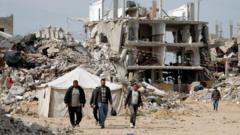
Rafah in southern Gaza bears the scars of widespread destruction, heightening the urgency for a proposed 60-day ceasefire between Israel and Hamas, which could facilitate much-needed humanitarian aid deliveries. Israel's Defence Minister, Israel Katz, suggests using this pause to construct a so-called "humanitarian city" aimed at consolidating nearly the entire Gazan population, excluding armed groups, under strict security measures. This controversial proposal has quickly faced backlash from both local and international critics, with many likening it to a "concentration camp," prompting concerns among human rights advocates. Questions linger regarding whether Katz's plan holds any real traction within Prime Minister Benjamin Netanyahu's government, or if it's simply a strategy to exert pressure on Hamas amid negotiations for a ceasefire and hostage release.Katz's vision entails initially accommodating about 600,000 Palestinians, eventually aiming for the entire population of 2.1 million in Rafah. He proposed that the Israel Defense Forces would maintain security from afar while allowing international organizations to oversee operations, complemented by establishing four aid distribution sites. Despite Katz's intentions, several key Israeli figures, including Lt. Gen. Eyal Zamir, have publicly opposed the idea of forcibly relocating civilians, which was reportedly a source of tension during a recent high-profile government meeting. Military reservists, like Yotam Vilk, voiced their refusal to participate in the proposed relocations, equating such actions to war crimes. On the Palestinian side, the proposal has equally incited outrage, with those displaced expressing firm rejection of any plan that threatens their right to remain in their homeland, as echoed by statements from residents like Sabreen and Ahmad Al Mghayar. Recent polls suggest some support among Israeli Jews for relocating Gazans; however, it'll be critical for far-right officials like Itamar Ben-Gvir to gauge the political landscape. Outside Israel, the plan has garnered significant condemnation, including statements from UK officials calling it inhumane and counterproductive to peace efforts. Amidst escalating tensions, Hamas representatives have reportedly reacted to the plan with alarm during ongoing ceasefire discussions in Doha, indicating that it poses additional hurdles to achieving a lasting resolution in the conflict. As the situation continues to develop, the implications of Katz's controversial proposal will likely reverberate through the negotiations and Washington's geopolitical strategies.
