
In brief
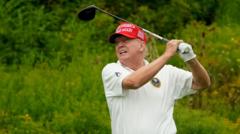
With the looming threat of new tariffs from the Trump administration, Vietnam is weighing its diplomatic strategies, including a unique approach through "golf diplomacy." While the Prime Minister expresses interest in fostering personal ties with Trump, analysts remain skeptical about Vietnam's ability to evade the tariffs linked to an ongoing trade deficit with the US.
As the Trump administration prepares for a potentially impactful announcement next week regarding the imposition of new tariffs, countries worldwide, including Vietnam, are on alert. With a particularly large trade deficit with the US, Vietnam could be at risk, especially after Trump recently imposed significant tariffs on foreign car manufacturers.Vietnam's Prime Minister, Pham Minh Chinh, has proposed a light-hearted but strategic approach—expressing willingness to indulge in golfing sessions with Trump if it paves the way for beneficial outcomes for Vietnam. Drawing comedic remarks during his speeches, he has suggested that networking might relieve the pressures imposed by tariff threats.Historically, Trump has expressed grievances against Vietnam, criticizing its trade practices, which he claims are damaging to American interests. Yet, up until now, he hasn't specifically targeted Vietnam with tariffs, despite the country being the third largest trade deficit-holder after China and Mexico. Experts note that while Vietnam has managed to maintain a constructive dialogue with Washington, it may still fall short of sheltering itself from the impending tariffs.Stephen Olson, a former US trade negotiator, analyzes this diplomatic maneuver, suggesting that Vietnam’s PM is echoing the tactics of former Japanese Prime Minister Shinzo Abe, who leveraged personal rapport with Trump for favorable trade negotiations. Still, Olson cautions that the broader economic dynamics and Trump's tough stance on foreign trade may overshadow personal relationships.Despite the potential for tariffs, Vietnam remains committed to not restricting trade with the US and is even taking steps to foster goodwill, like allowing SpaceX to operate its Starlink satellite service on a trial basis. Moreover, adjustments to lower tariffs on US imports, such as energy and vehicles, signal Vietnam's intent to improve its trade standing.As Vietnam navigates these complex waters, it remains crucial for the government to send clear signals of cooperation, consistent with its "bamboo diplomacy" strategy—an approach aimed at adapting to external pressures. Analysts indicate that Vietnam may have to leverage its unique resources and investment opportunities to maintain favor with the US, especially as concerns mount regarding the influence of China, its largest supplier.The intertwined fates of Vietnam's economy with both the US and China create a precarious balancing act. While Vietnam has benefited from the US-China trade disputes by attracting businesses leaving China, the ongoing scrutiny could result in tougher measures from the US in response to these shifts.As Vietnam awaits the final word on Trump's impending tariffs, the effectiveness of its golf diplomacy and broader strategies will soon be put to the test, with implications not just for Vietnamese markets but also for its relationships with major US corporations operating within its borders.
