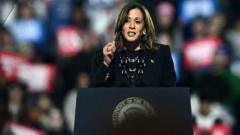
Amid the fallout from Kamala Harris's loss to Donald Trump, discussions are quickly surfacing regarding the motivations behind her unsuccessful campaign. Just weeks before the election, Harris was expected to boost her appeal during a friendly interview on ABC’s The View. However, her response to a key question about what she would have done differently from President Biden went viral for all the wrong reasons: "Not a thing comes to mind." This remark became fodder for Republican attacks, signaling the uphill battle Harris would face in the election.
In a concession speech filled with emotion, Harris urged her supporters not to despair, yet speculation about what went awry lingers. Campaign staff expressed shock at the loss, as Harris was anticipated to be a strong contender. Campaign manager Jen O'Malley Dillon acknowledged the painful loss, stating the need for time to process the outcome.
As the sitting vice president, Harris struggled to detach her campaign from Biden's unpopularity. Despite initially rallying support with a focus on abortion rights and economic issues, she could not shake off the pervasive anti-Biden sentiment. Campaign insiders noted that while Harris tried to distance herself from his administration’s record, she failed to offer voters a compelling reason to support her.
Election polls revealed economic concerns weighing heavily on voters, with a majority expressing pessimism about the nation’s direction. Harris's attempt to reclaim Biden's coalition among key demographics presented significant challenges. Exit polls showed declines in support among Latino voters, black voters, and younger voters, contributing to a disappointing overall turnout.
Furthermore, even though women largely supported Harris, her campaign did not achieve the levels of enthusiasm expected from her historic candidacy. With only 54% of female voters casting their ballots for her, Harris could not match Biden’s previous performance among women.
Instead of primarily highlighting her vision, Harris leaned into a narrative that framed the election as a referendum on Trump. Pollster Frank Luntz criticized this tactic, noting that focusing more on Trump detracted from Harris's ability to communicate her policy plans. Ultimately, the necessary voter coalition for victory eluded her, underscoring deeper issues within the Democratic Party that extend beyond just an unpopular figurehead.
In this reflective phase, the fallout from Harris's defeat, including campaign strategies and connection with voters, will likely fuel ongoing debates about the future and unity of the Democratic Party heading into upcoming elections.