
In brief
Donald Trump's recent meeting with Ahmed al-Sharaa marks a significant shift towards possible normalization of U.S.-Syria relations. As economic sanctions potentially lift, hopes grow for recovery amidst decades of turmoil.
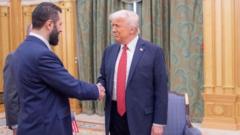
Donald Trump's meeting with Syria's interim President Ahmed al-Sharaa in Riyadh represents a dramatic shift in U.S. foreign policy, fueling hopes among Syrians for a brighter future. As talks of normalizing relations unfold, both leaders hint at lifting stringent sanctions imposed on Syria, a move that may invigorate a nation desperate for recovery after years of civil war and hardship.The encounter, which took place during Trump's Gulf tour, was characterized by its brevity and significance. Trump acknowledged the potential for Sharaa's leadership, stating, "I think he has got the potential," while recognizing the importance of Saudi Crown Prince Mohammed bin Salman and Turkish President Recep Tayyip Erdogan in brokering this encounter. This marked a notable departure from previous U.S. stances, where engagement with Syria seemed off the table.Sharaa, who has carefully crafted his image to embrace a more modern leadership style, underscores a transition for Syria. His administration takes over after ousting the long-standing Assad regime, amidst celebrations from Syrians who have suffered profoundly. Lifting sanctions could allow foreign aid and investment to flow into Syria, catering to the dire economic needs of a population where poverty rates soar.Politically, a thawing in relations could also influence the 5.6 million Syrians living abroad to consider returning home. Trump’s willingness to engage further hinges on Syria’s commitments, such as possibly joining the Abraham Accords with Israel. This aligns with his broader Middle Eastern strategy, recognizing that regional dynamics will play a crucial role in Syria's future.However, analysts caution that any easing of sanctions remains contingent on a complex set of factors, including the removal of foreign fighters linked to ongoing conflicts. Securing lasting progress will therefore depend on principle commitments and sustained dialogue.In summary, this meeting could herald a new epoch in U.S.-Syria relations. For millions of Syrians, the prospect of improved conditions and peace represents a fragile hope for change, as they navigate the long road to recovery from years of devastation.
