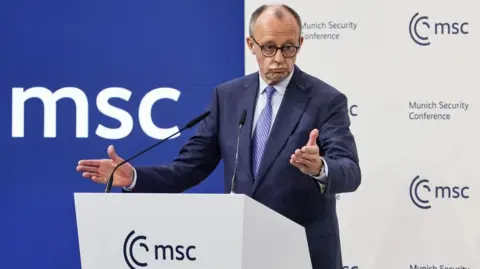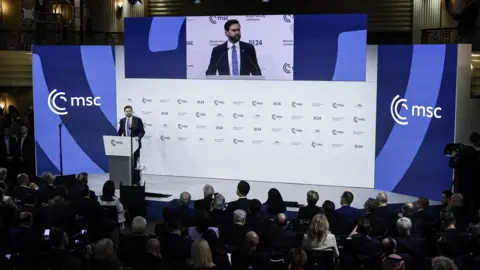
German Chancellor Olaf Scholz emphasized the necessity for all nations to respect borders, regardless of their size or strength. French Foreign Minister Jean-Noël Barrot also reaffirmed the European Union's commitment to protect its sovereign territories. They voiced concerns over Trump’s openness to using military force to pursue his interests in Greenland, noting it could undermine international norms.
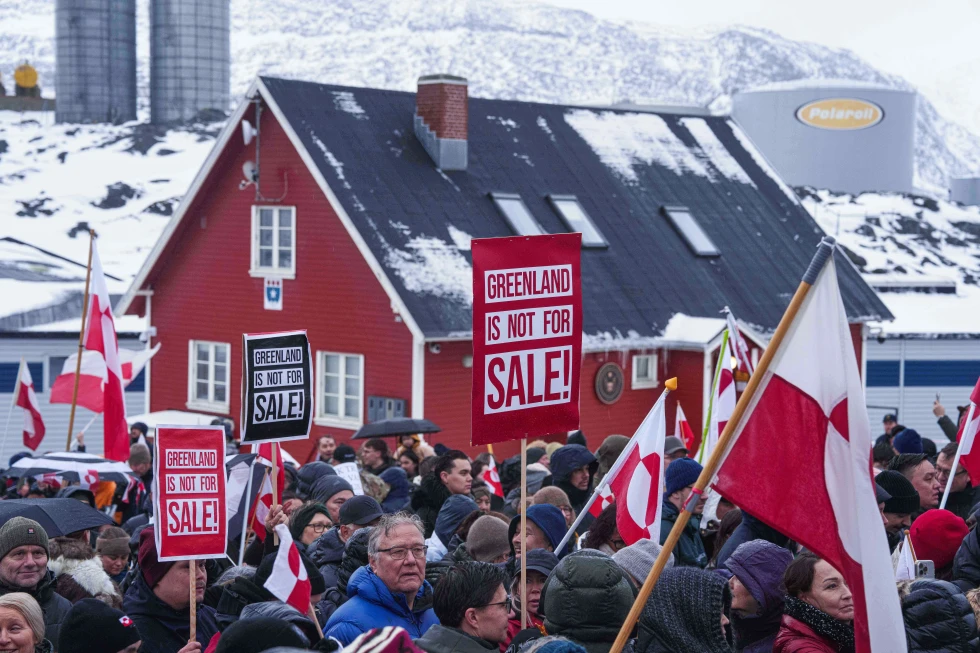
Denmark has made it clear that Greenland is not for sale and that its future lies in the hands of the Greenlanders themselves. Prime Minister Mette Frederiksen pointed out that only the territory's inhabitants can determine their destiny, despite Denmark's desire for cooperation with the U.S. on defense and economic issues.
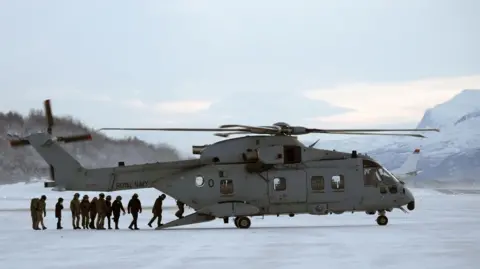
Greenland is strategically important to the U.S., housing military assets crucial for monitoring maritime activities in the Arctic. This geopolitical dynamic adds complexity to the situation, especially as the Greenlandic leadership has indicated their preference for independence while recognizing their current reliance on Denmark.
Speaking to reporters, Trump underscored Greenland’s significance in countering threats from China and Russia, indicating that he could not rule out military action. This comment has received widespread backlash, with local officials advocating for constructive dialogue rather than considering dependency on a foreign power.
Donald Trump Jr. visited Greenland recently to engage with its residents, further stirring the pot of local sentiments toward U.S. involvement. Reports from the region suggest that many inhabitants are uncomfortable with the notion of becoming a territory of another power, emphasizing the desire for self-determination.
As tensions escalate over Trump's comments, the EU, particularly its leading members Germany and France, are urging a diplomatic resolution to uphold international relations and prevent conflict over Greenland.
Denmark is caught in a delicate balance, as it aims to maintain sovereignty while addressing U.S. interests in the strategically significant territory.
Denmark has made it clear that Greenland is not for sale and that its future lies in the hands of the Greenlanders themselves. Prime Minister Mette Frederiksen pointed out that only the territory's inhabitants can determine their destiny, despite Denmark's desire for cooperation with the U.S. on defense and economic issues.
Greenland is strategically important to the U.S., housing military assets crucial for monitoring maritime activities in the Arctic. This geopolitical dynamic adds complexity to the situation, especially as the Greenlandic leadership has indicated their preference for independence while recognizing their current reliance on Denmark.
Speaking to reporters, Trump underscored Greenland’s significance in countering threats from China and Russia, indicating that he could not rule out military action. This comment has received widespread backlash, with local officials advocating for constructive dialogue rather than considering dependency on a foreign power.
Donald Trump Jr. visited Greenland recently to engage with its residents, further stirring the pot of local sentiments toward U.S. involvement. Reports from the region suggest that many inhabitants are uncomfortable with the notion of becoming a territory of another power, emphasizing the desire for self-determination.
As tensions escalate over Trump's comments, the EU, particularly its leading members Germany and France, are urging a diplomatic resolution to uphold international relations and prevent conflict over Greenland.
Denmark is caught in a delicate balance, as it aims to maintain sovereignty while addressing U.S. interests in the strategically significant territory.