In brief
Despite the conclusion of the longest government shutdown in U.S. history, federally funded defense lawyers and their support teams are grappling with financial instability. Thousands have not been compensated since June 2023, hindering their ability to take on new cases and pushing court proceedings to a standstill. While Congress has allocated funds to resume payments, alarming funding shortfalls threaten the future operations of the Defender Services program, further complicating access to justice for indigent defendants.
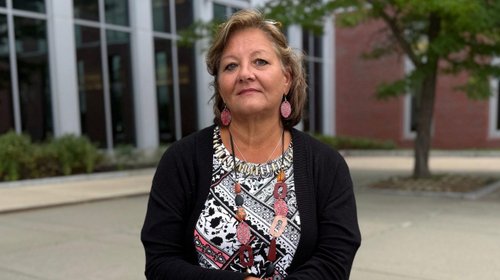
The longest U.S. government shutdown in history is officially over, yet the fallout continues to severely impact two key groups: federally funded defense lawyers and their clients. Since June, thousands of court-appointed lawyers, paralegals, and other support staff have gone unpaid, following a $130 million shortfall in the federal Defender Services program, which ran out of funds on July 3. As the government shutdown dragged on, many lawyers were forced to halt trial preparations and take out personal loans to meet operational costs.In the Central District of California, 80% of Criminal Justice Act (CJA) panel attorneys are no longer taking new clients due to funding shortages and logistical constraints, consequently delaying trials and complicating the lives of many defendants who remain incarcerated without legal representation. Over the last few months, professionals like Michael Chernis have faced dire situations, with some needing to resort to gig jobs like driving for services such as Uber to support their families.A recent memo by Judge Robert Conrad announced that Congress had passed a resolution providing an additional $114 million for the Defender Services program to address the backlog of attorney payments, though the situation is dire as future funding remains uncertain. The looming shortfall of $196 million for the 2026 fiscal year has raised alarm bells, as legal professionals fear they may be unable to continue representation for their clients, potentially violating defendants' constitutional rights.Judges within the system are already contemplating the dismissal of cases due to inadequate representation. Critics have raised concerns regarding the fundamental rights of defendants, arguing that the disruption caused by the shutdown reflects a troubling trend in the U.S. justice system.With many essential cases halted and additional hiring for investigators and expert witnesses on hold, CJA attorneys such as David Kaloynides are struggling with overwhelming caseloads and insufficient resources to advocate for their clients effectively.