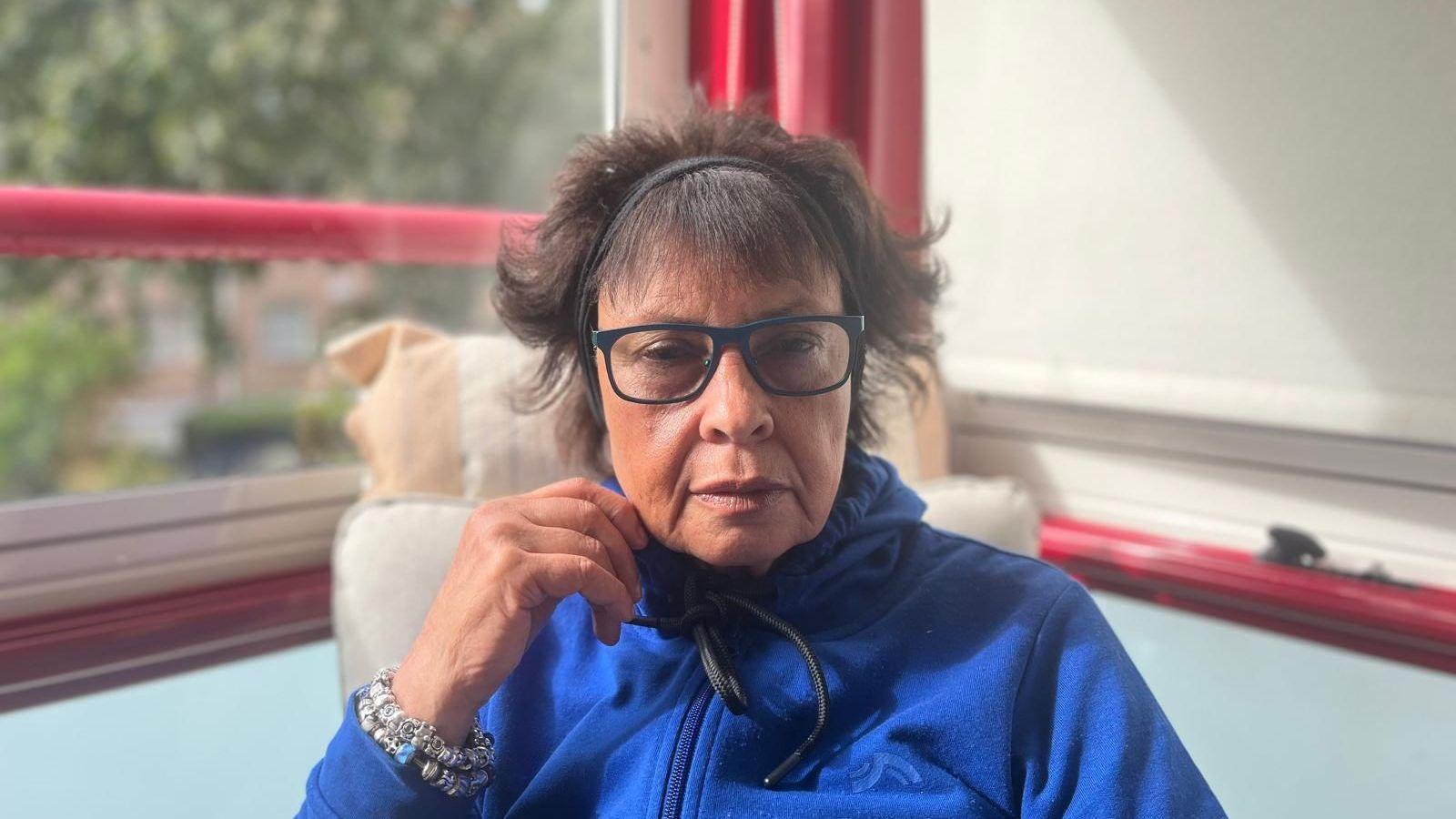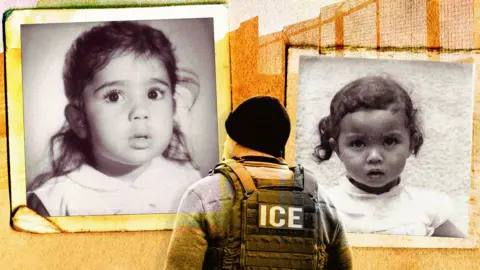
Shirley Chung was just a year old when she was adopted by a US family in 1966. Born in South Korea, her birthfather was a member of the American military, who returned home soon after Shirley was born. Unable to cope, her birth mother placed her in an orphanage in the South Korean capital, Seoul. He abandoned us, is the nicest way I can put it, says Shirley, now 61. After around a year, Shirley was adopted by a US couple, who took her back to Texas.
Shirley grew up living a life similar to that of many young Americans. She went to school, got her driving licence and worked as a bartender. I moved and breathed and got in trouble like many teenage Americans of the 80s. I'm a child of the 80s, Shirley says. She had children, got married and became a piano teacher. Life carried on for decades with no reason to doubt her American identity.
But then in 2012, her world came crashing down when she lost her Social Security card and learned she needed to prove her status in the country. It was then she found out she did not have US citizenship. I had a little mental breakdown after finding out I wasn't a citizen, she reflects.
Shirley is not alone. Estimates of how many American adoptees lack citizenship range from 18,000 to 75,000. Some intercountry adoptees may not even know they lack US citizenship. Dozens of adoptees have been deported to their countries of birth in recent years, according to the Adoptee Rights Law Center.
The Child Citizenship Act of 2000 made some headway in granting automatic citizenship to international adoptees, but only for those adopted after February 1983, leaving many in limbo. Advocates have been pushing for Congress to remove the age cut-off, but these efforts have stalled.
With the recent increase in deportations under the Trump administration, the fears among adoptees have intensified. Some adoptees have gone into hiding, and many live in constant fear of immigration raids. Shirley urges the president to help finally grant citizenship to adoptees like her: We were put on planes as little itty-bitty babies. Just please hear our story and please follow through with the promise that America gave each one of the babies that got on those planes: American citizenship.\
Shirley grew up living a life similar to that of many young Americans. She went to school, got her driving licence and worked as a bartender. I moved and breathed and got in trouble like many teenage Americans of the 80s. I'm a child of the 80s, Shirley says. She had children, got married and became a piano teacher. Life carried on for decades with no reason to doubt her American identity.
But then in 2012, her world came crashing down when she lost her Social Security card and learned she needed to prove her status in the country. It was then she found out she did not have US citizenship. I had a little mental breakdown after finding out I wasn't a citizen, she reflects.
Shirley is not alone. Estimates of how many American adoptees lack citizenship range from 18,000 to 75,000. Some intercountry adoptees may not even know they lack US citizenship. Dozens of adoptees have been deported to their countries of birth in recent years, according to the Adoptee Rights Law Center.
The Child Citizenship Act of 2000 made some headway in granting automatic citizenship to international adoptees, but only for those adopted after February 1983, leaving many in limbo. Advocates have been pushing for Congress to remove the age cut-off, but these efforts have stalled.
With the recent increase in deportations under the Trump administration, the fears among adoptees have intensified. Some adoptees have gone into hiding, and many live in constant fear of immigration raids. Shirley urges the president to help finally grant citizenship to adoptees like her: We were put on planes as little itty-bitty babies. Just please hear our story and please follow through with the promise that America gave each one of the babies that got on those planes: American citizenship.\