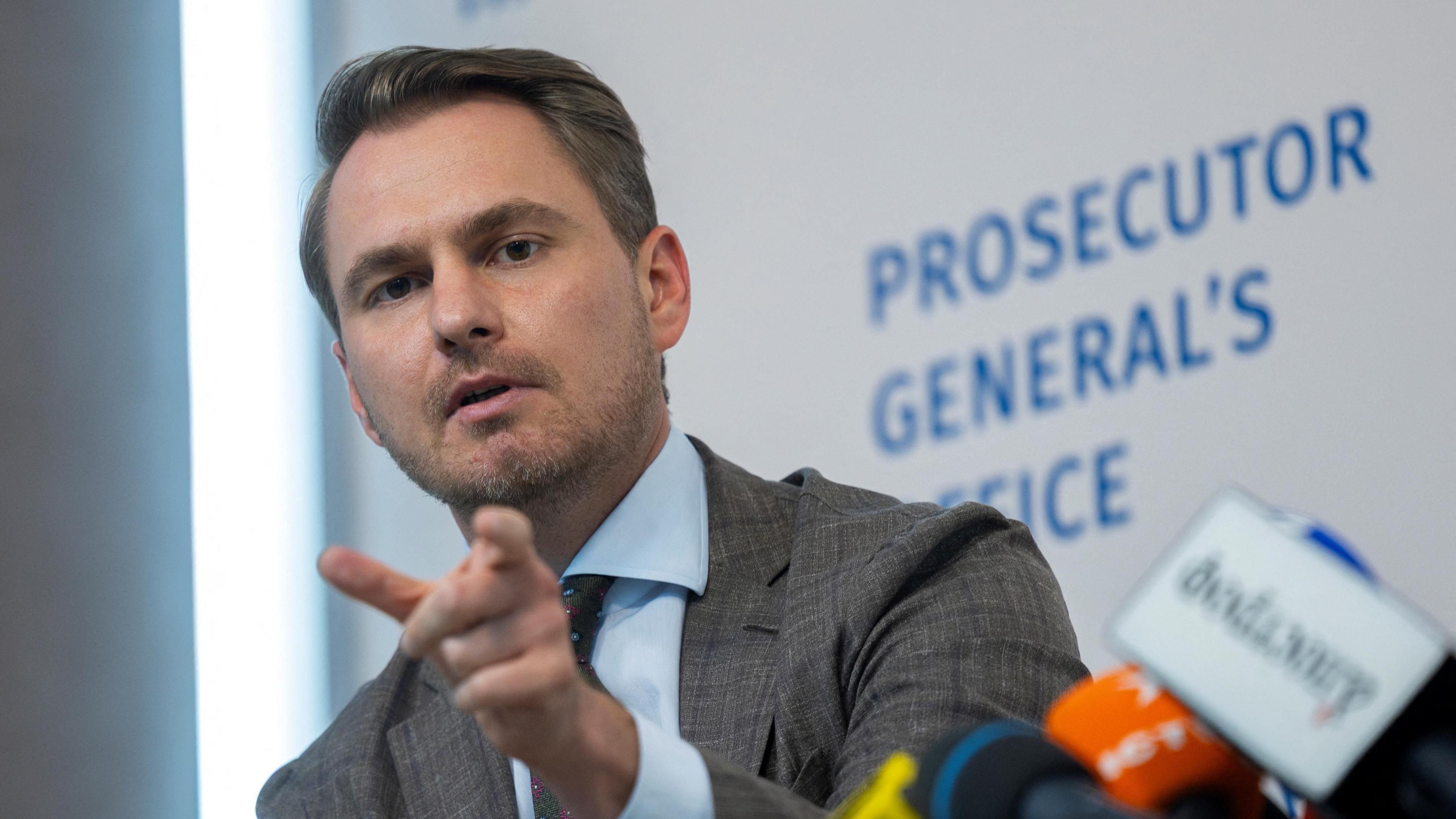
In a dramatic verdict heard in Luanda’s Court of Justice, the Angolan judiciary found Igor Ratchin, a Russian political consultant, guilty of terrorism and espionage, handing him an 11‑year prison sentence. Lev Lakshtanov, a Spanish‑Russian translator, was sentenced to eight years on similar charges. Both men denied the allegations that they stirred anti‑government protests, launched a disinformation campaign and sought to influence Angola’s 2025 presidential election.
The prosecution blamed the two men for running a covert operation called Africa Politology, a Russian network that emerged from the now‑defunct Wagner mercenary group. According to court documents, the aim was to spread anti‑Western narratives, cultivate political contacts within the ruling MPLA and the opposition Unita, and plant misinformation ahead of the election. The defendants’ lawyers had requested extradition to Russia under bilateral cooperation agreements, a request the court has not yet confirmed.
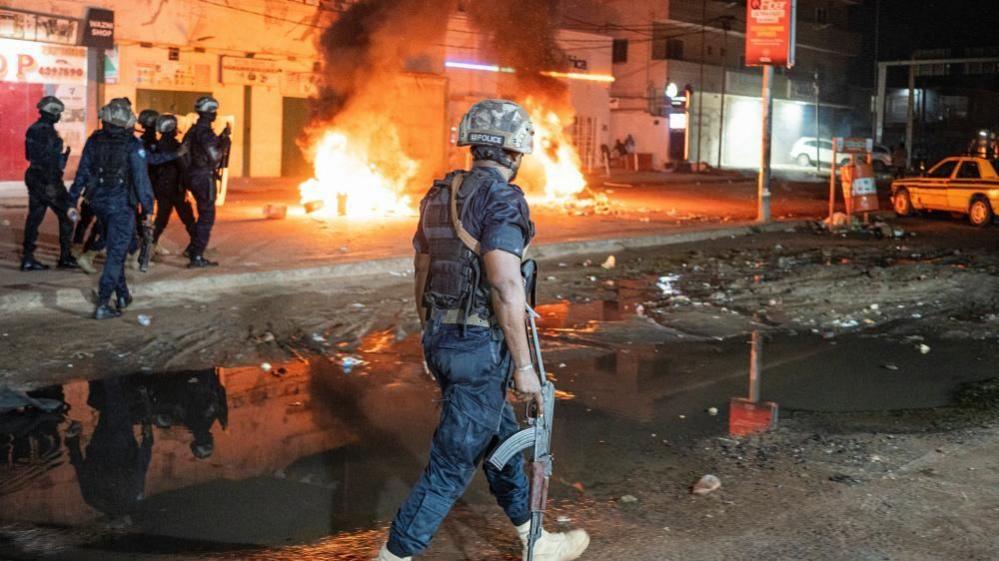
The case also involved two Angolan defendants. Sports journalist Amor Carlos Tomé received a two‑year suspended sentence, while political activist Francisco Oliveira was acquitted. Prosecutors alleged that the Russians paid local journalists and experts more than $24,000 to produce pro‑Russian, anti‑government content, fostering unrest that they claimed did not arise organically.
During the hearing, the court rejected a request from the defense to call political figures for testimony, stating that witnesses were unnecessary to establish the facts. Ratchin testified he was a businessman aiming to open a Russian cultural centre in Luanda, while Lakshtanov said his academic career was incompatible with terrorist activities.
The ruling reflects Angola’s tightening grip on foreign influence operations that threaten its political stability, and raises questions about the extent of Russian covert activity on the continent. Momentum gained by the Angola court may prompt other African states to scrutinise similar allegations on their own soil. The case remains under appeal, with potential further legal ramifications for both Russian agents and their local collaborators.