In brief
In a poignant journey, Tessa Moura Lacerda fought for years to amend her father's death certificate, revealing the dark past of Brazil's military dictatorship. Her father, Gildo Macedo Lacerda, was tortured to death in 1973, and despite attaining recognition of his wrongful death, Tessa and many families still strive for justice for the victims of that brutal regime. A recent film has reignited discussions on the past, highlighting the need for acknowledgment and healing.
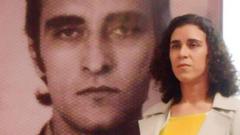
On a rainy morning in August 2019, Tessa Moura Lacerda stood outside a government office, her heart racing as she held a newly corrected death certificate for her father, Gildo Macedo Lacerda. After years of battling for this recognition, the document finally stated the cause of his death as "unnatural, violent death caused by the State to a missing person [...] in the dictatorial regime established in 1964." Gildo’s life was tragically cut short at the age of 24, tortured under Brazil's military dictatorship in 1973.During that era, the regime was responsible for the killings and disappearances of at least 434 people, with many others subjected to detention and torture. Tessa's mother, Mariluce, was arrested alongside Gildo for their opposition to military rule. While she regained her freedom after enduring torture, Gildo was lost to the family, a victim of the regime's brutality. Conflicting reports falsely suggested he had been shot in a street dispute, a narrative designed to mislead the public.In the years that followed, Tessa struggled with the absence of her father. Growing up, she was left to grapple with her father's violent history, leading her to nightmares and a sense of unfulfillment. The journey to amend his death certificate became an important personal mission for Tessa, as it symbolized a recognition of not only her father's story but also the countless others who suffered.In December, Brazilian officials announced plans to rectify death certificates of recognized victims, shedding light on the state's role in such atrocities. Tessa viewed this legislative shift as a necessary reckoning with the past: "It's part of my duty fulfilled," she remarked. "It's not just for the memory of my father, but all others who disappeared, were killed or tortured during the dictatorship."A renewed national dialogue surrounding Brazil's oppressive history was sparked by the release of a film titled "I'm Still Here," which tells the story of a mother seeking justice for her husband, a victim of political violence. This cinematic portrayal has resonated with many Brazilians, revealing a collective trauma that echoes in families across the country, whether they lost loved ones to the dictatorship or are dealing with its enduring legacy.Both Tessa and other families like Marta Costta, who lost her aunt Helenira, acknowledge the importance of receiving certificates that recognize and apologize for the wrongful deaths caused by the state. Yet, they emphasize that this is merely the first step in a long fight for full justice, given existing amnesty laws protecting those responsible for the violence. Tessa's determination remains unwavering; she stated firmly, "I will not stop fighting until the end of my days. I will bury my father." The scars of Brazil's past require acknowledgment and action, as echoed by the sentiments expressed in both testimonies and recent artistic representations of the nation's history.