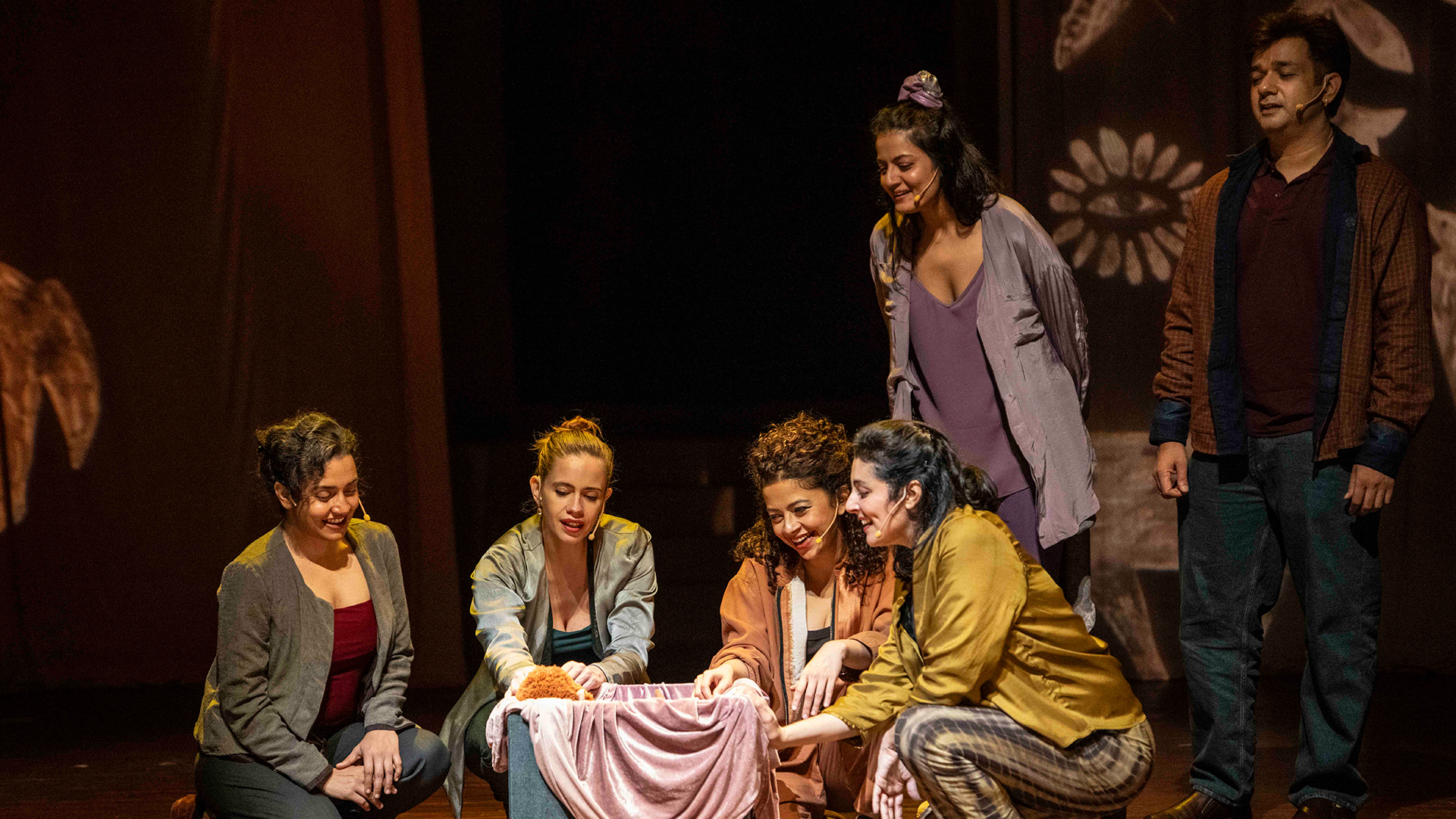
Bollywood Play "Belly of the Beast" Exposes Realities of Motherhood
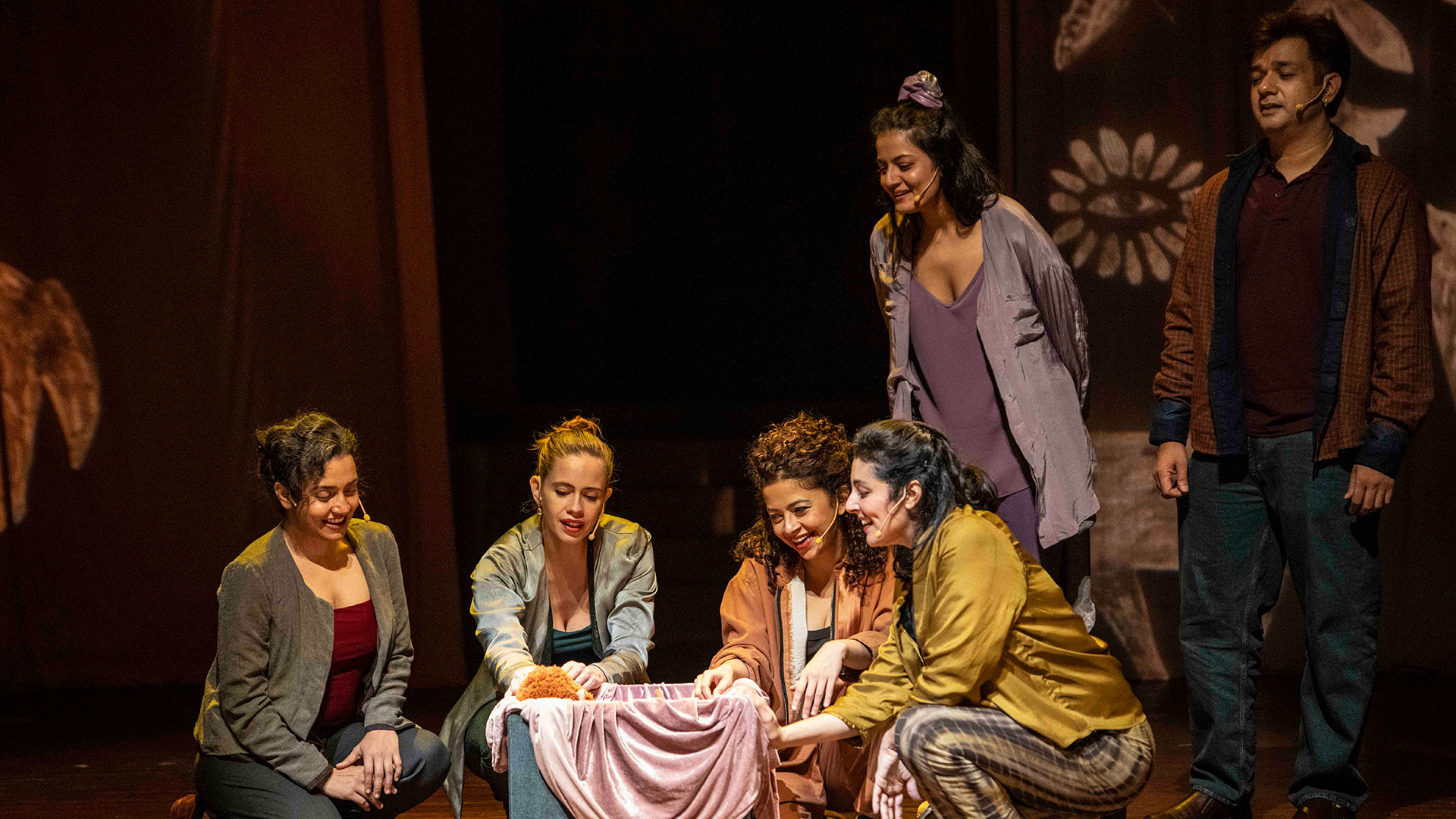
The birth of a baby is often presented as a moment of joy, but motherhood can also be messy and untidy. "Belly of the Beast", co‑directed by Sheena Khalid, delves into this messy side for Indian audiences.
The play adapts from Koechlin’s 2021 book, written during the Covid lockdown, and portrays five women at different stages – pregnancy, labour, early motherhood, juggling work and family, and dealing with goodbye‑to‑baby loss.
"Women are rarely allowed to express their dark feelings – the difficulties they face, hormonal changes, loss of identity or postpartum depression," says Koechlin.
In India, where motherhood is a sacred duty, addressing topics like abortion, miscarriage, and postpartum depression is a refreshing change. The play’s premiere in Delhi was met with a standing ovation, and its two‑hour‑ten‑minute run was praised for its pacing and humor.
Khalid explains the need for levity: "We had to ease in and out of heavy themes so the audience could process them."
Post‑Covid, Koechlin’s book was an outlet for her postpartum depression, expressed through the raw narrative "I couldn’t feel my daughter's tiffin or call her nanny because I was caught in the feeling of being a perfect mother."
Statistical data reveals that childcare and home work keep around 69% of women out of the urban labour force in India – a stark contrast to men where the total is only 1%. This underscores the pressure mothers face at home and work.
Professionals who juggle careers often mention the societal expectation to be a "supermum" and the difficulty of finding balance. Koechlin urges parents to open the doors to paternal and communal support: "If we let fathers or family help, we do not have to do everything ourselves."
Miscarriage – a Class Apart
In a scene where a character experiences miscarriage, the audience is confronted with the public stigma around the loss of a child. Shruti Vyas, who portrays this role, notes people often say, "you don’t look like you’ve had a miscarriage," which ignores the hidden trauma.
The play allows the character to voice that it is acceptable to feel bad and not to hide pain. Audiences responded enthusiastically with the refrain “It should be okay to not be fine.”
The play thus becomes a dialogue about the unspoken aspects of motherhood – a conversation seldom opened in mainstream Indian media. For the thousands of mothers who feel isolated, it offers a shared narrative and a call for openness and support.