Dozens Helmed in Bologna after Protests on Moroccan‑born Man’s Death
In Bologna, Italy, the death of Abderrahim Fakir, a Moroccan‑born logistics worker, while being forcibly restrained by police sparked a wave of protests that escalated into violent clashes.
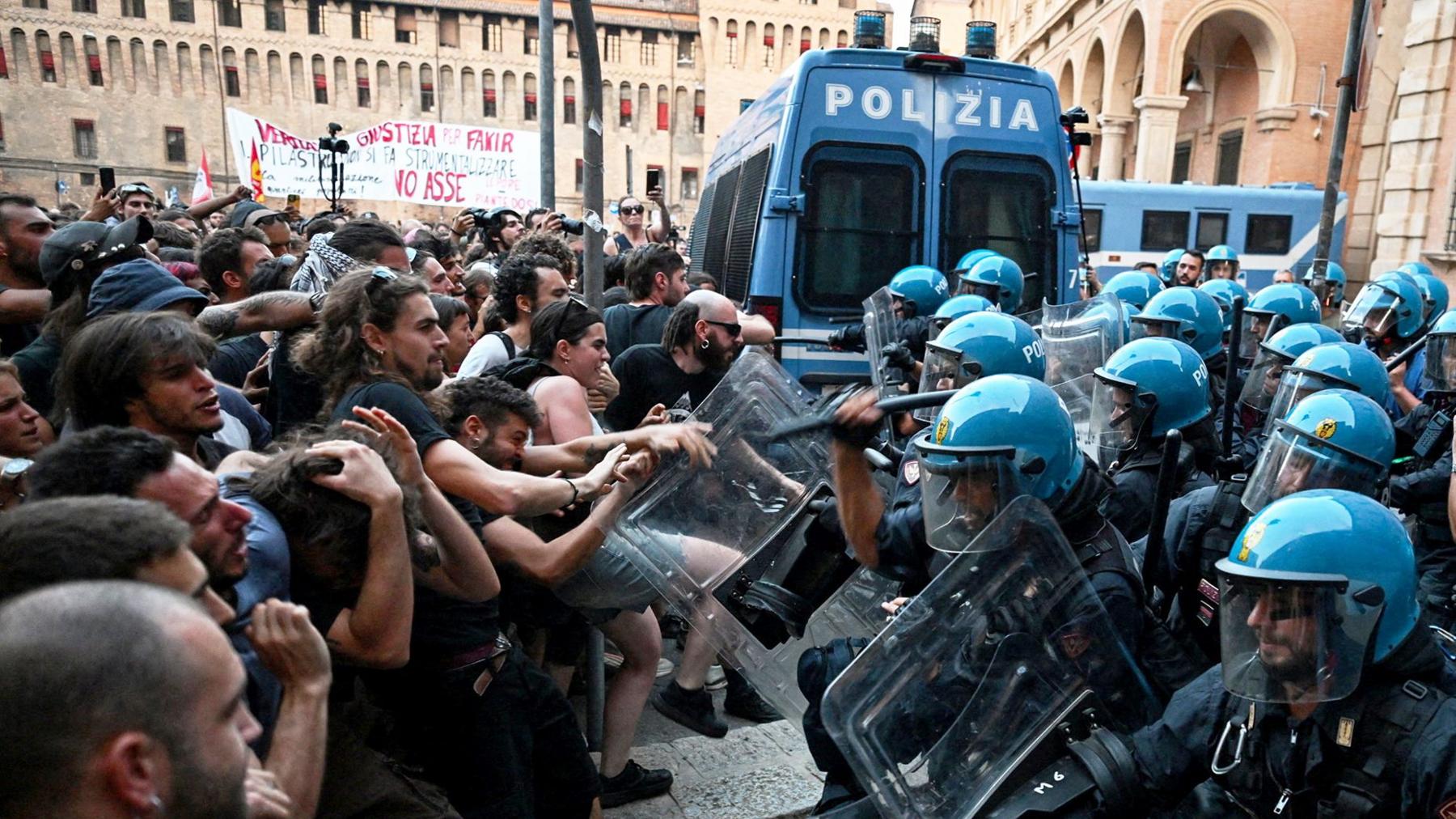
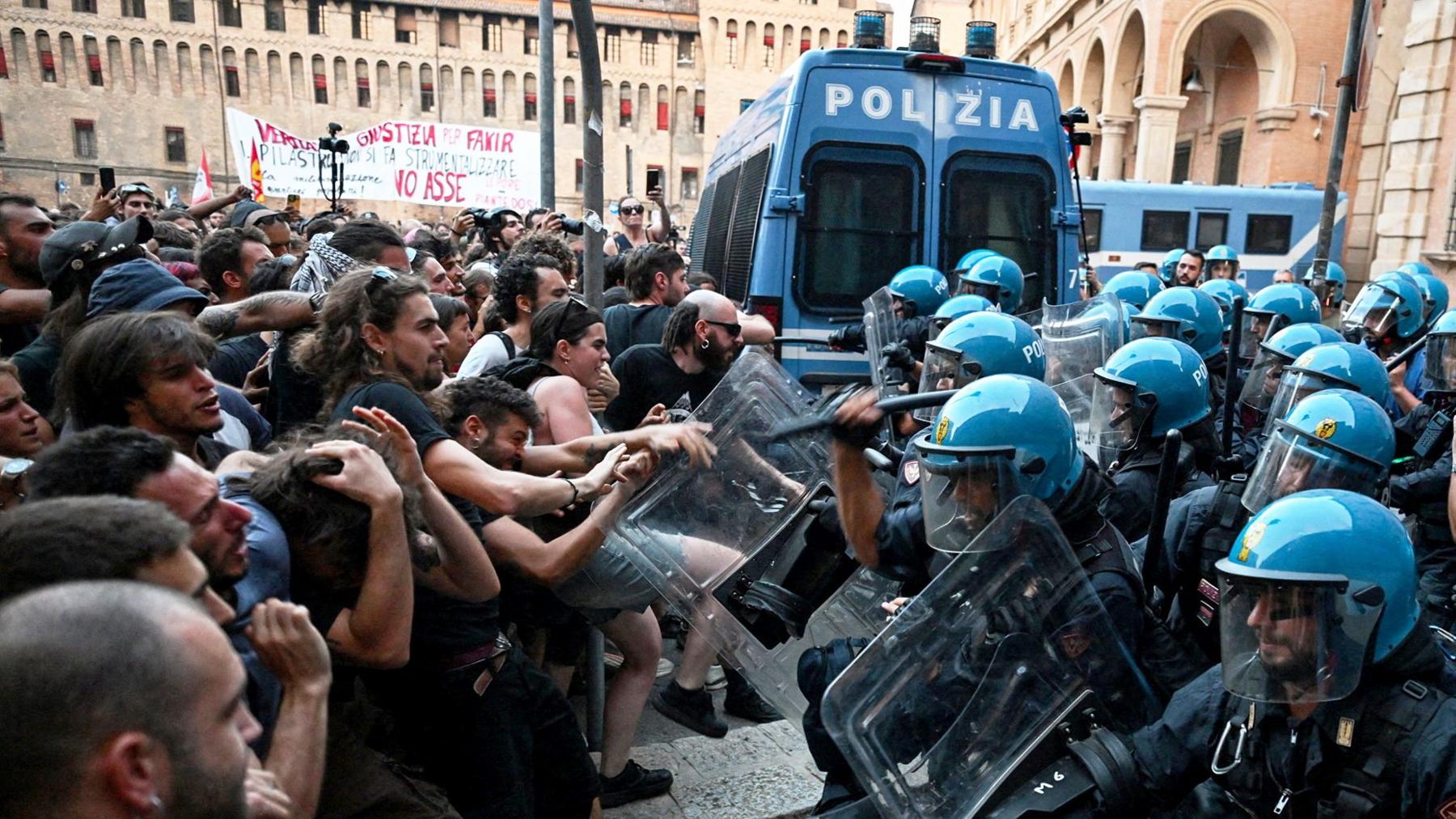
Hundreds of residents marched through the city’s streets demanding justice for Fakir, who, according to witnesses, suffered an erratic fall and was tackled by two officers before being bound with their hands and feet. A video circulated showing one officer slapping him twice on the cheek before he went unconscious, and emergency responders arriving moments later.
While the main demonstration remained peaceful, a splinter group of about one hundred protesters ignited clashes that left 64 police officers injured and resulted in two cars set ablaze. The mayor of Bologna, Matteo Lepore, reflected on seeing “two different squares”: a massive, spontaneous show of support for Fakir’s family and a smaller, violent opposition to police action.
Italian police union leaders criticised the call for a demonstration the day after the incident, claiming it encouraged anti‑police sentiment. The union’s Secretary‑General, Domenico Pianese, emphasised that the officers’ use of pepper spray and a civilian’s assistance proved the force was not excessive on the scene.
Prime Minister Giorgia Meloni condemned the violence and described the events as unacceptable, asserting that “nothing can justify violence against police” while demanding a thorough investigation.
Prosecutors in Bologna have opened an investigation into manslaughter against the officers who restrained Fakir and the medical staff who were present. They also examined the chain of events to determine whether the use of force was justified and whether procedural mishandling contributed to his death.
The protests also paid homage to earlier cases of police‑related deaths, citing the 2009 death of Stefano Cucchi and the ongoing activism of his sister, Senator Ilaria Cucchi.
Opposition politicians criticised the government’s support of law enforcement, with comments about the implications of adopting the ICE model and the perceived right‑wing stance on policing.
As the investigation proceeds, community leaders continue to demand transparency and accountability, hoping that the tragic death of Abderrahim Fakir will catalyse systemic reforms in policing and crisis response.