In brief
In a controversial move, Burkina Faso's junta has declared a complete ban on all political parties, citing the need to rebuild the state after deeming the prior multiparty system as divisive. This change, announced by Interior Minister Emile Zerbo, involves transferring all properties from political parties to the state. The junta's leader, Captain Ibrahim Traoré, faces criticism for curbing dissent, making this ban part of a wider consolidation of power after the 2022 military takeover.
Burkina Faso's junta has announced a ban on all political parties, whose activities have been suspended since the military seized power in 2022.
Junta leader Captain Ibrahim Traoré has been criticized for suppressing dissent, and the move will be seen as the latest action to tighten control.
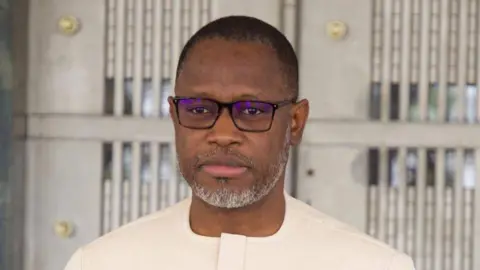
According to Burkina Faso's Interior Minister Emile Zerbo, the ban is part of plans to rebuild the state after what he said were numerous abuses in the country's multiparty system.
Zerbo stated that the previous system had been promoting division among citizens and weakening the social fabric. Political parties were previously banned from holding public gatherings, but the new decree prevents them from operating altogether.
All assets of the dissolved parties will be transferred to the state, and a draft law will be sent to the Transitional Legislative Assembly as soon as possible. Before the 2022 coup, the country had over 100 registered political parties, with 15 represented in parliament following the 2020 general elections.
Traoré's 2022 coup ousted Paul-Henri Sandaogo Damiba, who had taken power only nine months earlier. Although Traoré pledged to restore civilian government by July 1, 2024, two months before this deadline, the junta announced an extension of its rule for another five years.
Despite his authoritarian reputation, 37-year-old Traoré has garnered significant support across the continent for his pan-Africanist vision and critiques of Western influence. Burkina Faso is among a growing number of West African countries that have experienced coups recently, raising concerns about the region's stability.