In brief
President Claudia Sheinbaum of Mexico negotiated a crucial delay in tariff implementation with the Trump administration, offering temporary economic respite. While Wall Street reacted positively to the news, Canada remained at risk with looming tariffs. Controversies surrounding U.S. trade policy and international relations continue to unfold.
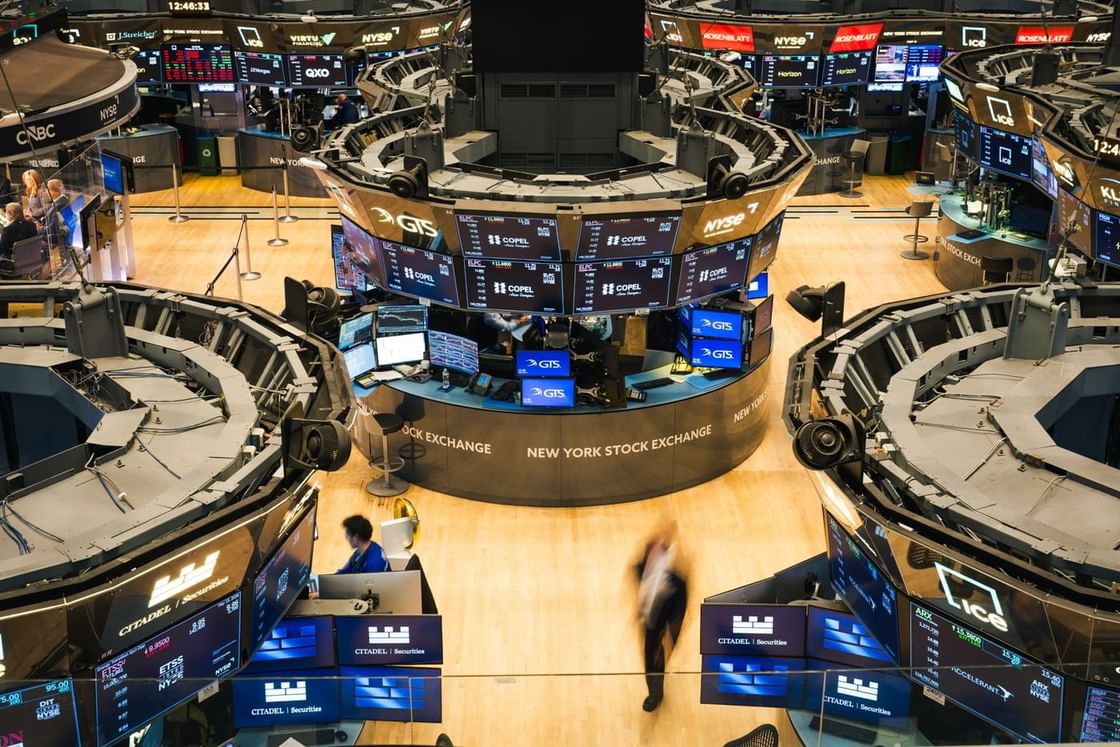
In a significant development for North American trade, President Claudia Sheinbaum of Mexico successfully negotiated a one-month delay in tariffs with the Trump administration, just hours before they were due to take effect. This agreement comes amidst heightened tensions, as Canada finds itself in a precarious position facing a staggering 25 percent tariff on its exports to the United States.As economic uncertainty loomed, with stock markets across Asia and Europe declining, Wall Street experienced a brief bounce back following the announcement of the deal with Mexico. The agreement also included a commitment from Mexico to enhance border security by deploying an additional 10,000 troops to the U.S. border, a movement likely aimed at addressing U.S. concerns about immigration and trade.In the lead-up to a scheduled call with Canadian Prime Minister Justin Trudeau, President Trump voiced his grievances against Canada, echoing previous criticism by stating, “We aren’t treated well by Canada.” He reiterated that the U.S. does not rely on Canadian contributions to its auto industry and reinforced his controversial assertion that Canada should become the 51st state. Such comments add to the existing tensions between the two nations regarding trade and tariffs.While the U.S. auto sector avoided immediate consequences from the tariff deal, price increases on a range of products—especially online purchases—could affect consumers if Canada doesn't receive similar relief from tariffs. The ramifications of trade policy continue to unfurl across the continent.Additionally, several issues beyond tariffs have surfaced: Democratic lawmakers protested the potential closure of a foreign aid agency, Trump criticized South Africa over land confiscation claims, and Guantánamo Bay prepares for a potential influx of deportees. Amid these developments, the Senate Intelligence Committee is set to vote on Tulsi Gabbard's nomination for the director of national intelligence, while questions swirl around Elon Musk's team's access to federal payment systems. As the situation develops, implications for international trade relationships and domestic economic stability remain a focal point for analysts and policymakers alike.