In a surprising turn of events, the fashion world appears to be reverting to its roots of prioritizing skinnier models, pushing the once-celebrated body positivity movement to the periphery. The high-fashion landscape which briefly embraced diverse body types in the 2010s seems to be fading, as insights from Paris Fashion Week and other recent events reveal concerning trends. Industry insiders suggest that, influenced by the popularity of weight loss medications like Ozempic, the fashion industry's preference for thin models is rapidly returning.
Historically, the body positivity movement gained traction in the 2010s, challenging the long-standing ideals of beauty that revolved around thinness. Figures like Ashley Graham and brands such as Rihanna’s Savage x Fenty were integral to promoting inclusivity on runways. Yet as recent fashion events reveal, the pendulum has begun swinging back. Studies indicate that out of 8,800 looks shown at the latest fashion weeks, a mere 0.8 percent featured plus-size models, highlighting the diminishing visibility of diverse body types.
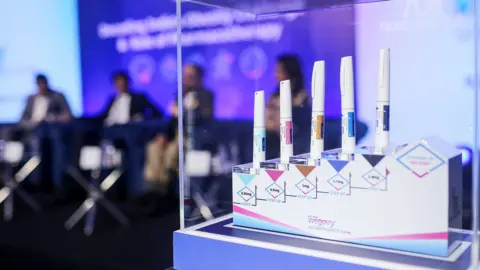
The influx of weight loss drugs has realigned perceptions on the runway, making thinness once again "in." High-profile endorsements from celebrities like Elon Musk have further popularized these medications, creating a cultural shift where skinniness is lauded and desired. Models have voiced mixed feelings, acknowledging potential job opportunities while grappling with pressure to conform to these heightened standards.
Critics, including fashion editors and model representatives, express concern over this regression. Chioma Nnadi of British Vogue articulated a belief that the movement towards skinny representation raises issues about genuine inclusivity in fashion. Others have noted that brands once celebrated for their body positive campaigns have minimized their efforts as market demands shift.
Amidst this evolving narrative, a few designers remain committed to inclusivity, suggesting that body positivity should be foundational rather than merely responsive to market trends. Activists call for a return to the original principles of the body positivity movement, urging consumers to reconsider their purchasing habits to promote a more diverse representation.
As the fashion industry navigates these conflicting currents, experts remind us that changes in trend often cycle back, suggesting that inclusive representation might find its place once more.
Historically, the body positivity movement gained traction in the 2010s, challenging the long-standing ideals of beauty that revolved around thinness. Figures like Ashley Graham and brands such as Rihanna’s Savage x Fenty were integral to promoting inclusivity on runways. Yet as recent fashion events reveal, the pendulum has begun swinging back. Studies indicate that out of 8,800 looks shown at the latest fashion weeks, a mere 0.8 percent featured plus-size models, highlighting the diminishing visibility of diverse body types.
The influx of weight loss drugs has realigned perceptions on the runway, making thinness once again "in." High-profile endorsements from celebrities like Elon Musk have further popularized these medications, creating a cultural shift where skinniness is lauded and desired. Models have voiced mixed feelings, acknowledging potential job opportunities while grappling with pressure to conform to these heightened standards.
Critics, including fashion editors and model representatives, express concern over this regression. Chioma Nnadi of British Vogue articulated a belief that the movement towards skinny representation raises issues about genuine inclusivity in fashion. Others have noted that brands once celebrated for their body positive campaigns have minimized their efforts as market demands shift.
Amidst this evolving narrative, a few designers remain committed to inclusivity, suggesting that body positivity should be foundational rather than merely responsive to market trends. Activists call for a return to the original principles of the body positivity movement, urging consumers to reconsider their purchasing habits to promote a more diverse representation.
As the fashion industry navigates these conflicting currents, experts remind us that changes in trend often cycle back, suggesting that inclusive representation might find its place once more.