A protective shield covering the Chernobyl nuclear reactor in Ukraine can no longer provide its main containment function following a drone strike earlier this year, according to a UN watchdog.
International Atomic Energy Agency (IAEA) inspectors found that the massive structure, built over the site of the 1986 nuclear disaster, had lost its primary safety functions including the confinement capability.
In February, Ukraine accused Russia of targeting the power plant - a claim the Kremlin denied.
The IAEA said repairs were essential to prevent further degradation of the nuclear shelter. However, environmental expert Jim Smith indicated that, while the situation is critical, it shouldn’t lead to panic, as the risk is low due to the radioactive dust being contained within a thick concrete sarcophagus.
The explosion in 1986 had blasted radioactive materials into the atmosphere, prompting the construction of the sarcophagus to shield the reactor.
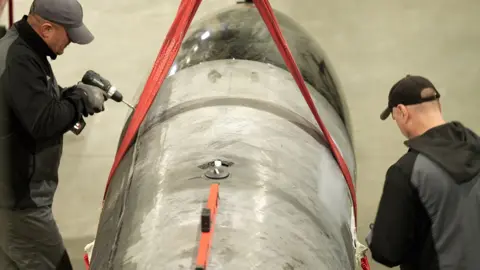
Moreover, the structure was only designed for a lifespan of 30 years, necessitating the protective shell to prevent radioactive leakage for up to a century.
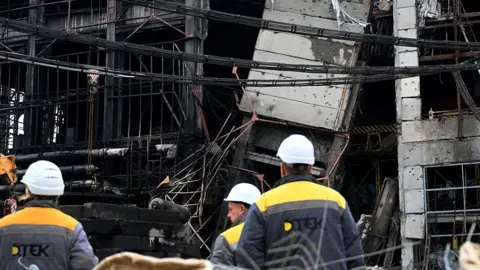
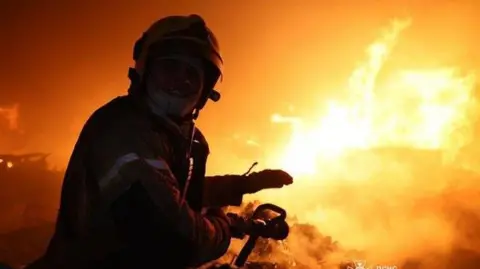
The IAEA recently completed an assessment following the severe damage from the drone strike, which had ignited a fire within the outer cladding. Inspectors noted no permanent damage to the load-bearing structures or monitoring systems; however, timely restoration remains critical for long-term nuclear safety.
Since early December, the IAEA has been monitoring Ukraine's energy infrastructure amid ongoing conflict. Meanwhile, Russian airstrikes continue to impact cities in Ukraine, raising concerns over safety and operational integrity across various locations.