China’s Robotaxi Revolution: Can It Match the EV Boom?
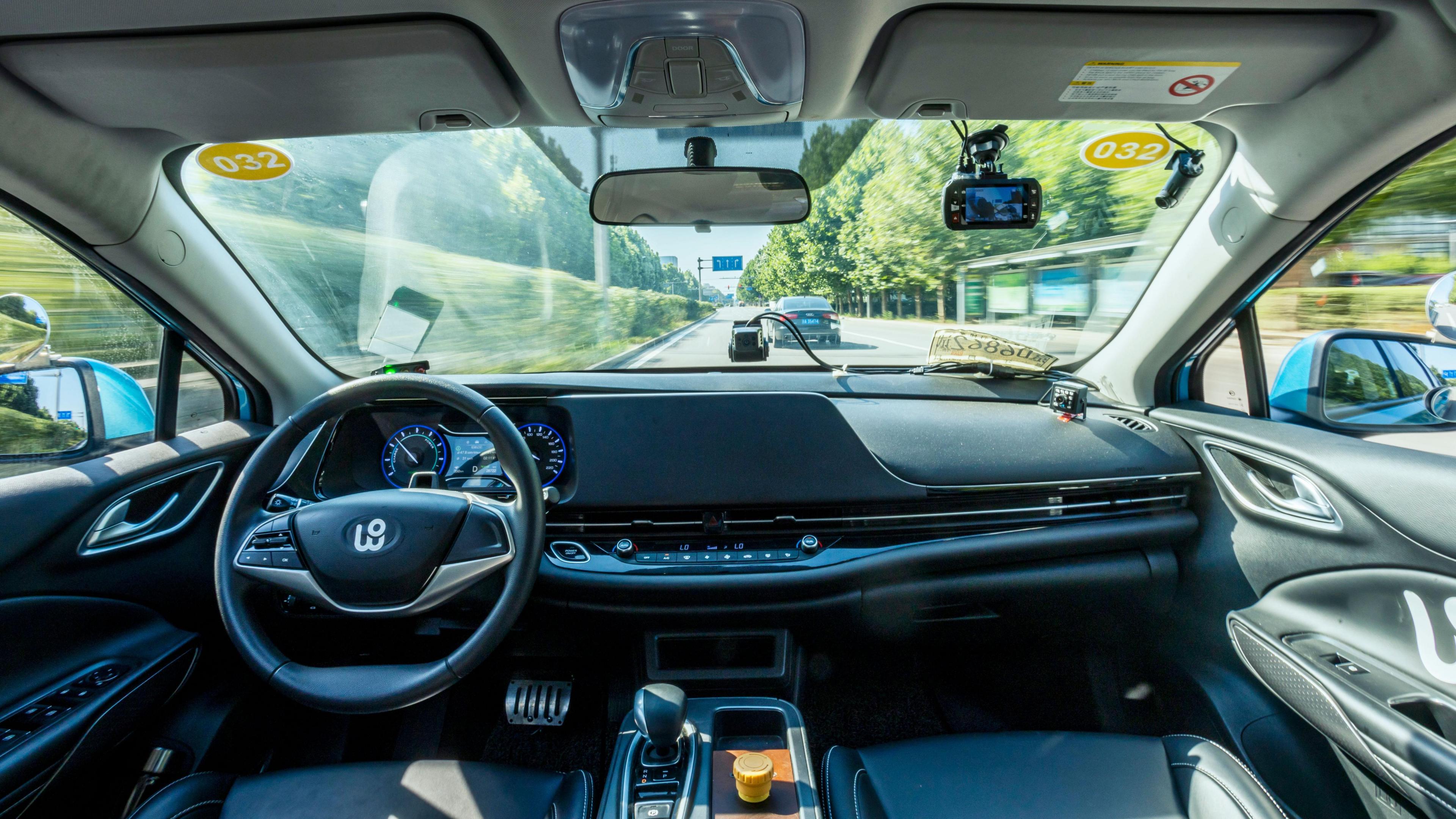
In Beijing’s Yizhuang district, driverless vehicles weave through traffic alongside ordinary cars. Robotaxis have become a common sight, and companies such as Baidu, WeRide and Pony.ai are already operating in designated zones. A user simply opens an app, confirms the route on a touchscreen, and a vehicle pulls up with no driver behind the wheel.
The EV Engine Behind the Shift
China’s autonomous‑driving firms have an advantage: an existing ecosystem of battery makers, sensor suppliers and automobile manufacturers. BYD, Chery, Geely and SAIC supply trucks and chassis, while specialist software firms are building the driving‑system stack. The shared components accelerate development and reduce costs, allowing rapid innovation.
Training in a Crazy City
Complex traffic – buses, scooters, cyclists, pedestrians and unpredictable routes – turns Beijing into a living laboratory. Each journey generates data that feeds back into the algorithms. However, extreme climates such as Middle‑East heat or Swiss snow may damage sensors and batteries, raising doubts about the speed of export.
Leading the Charge: Waymo and the Global Race
Waymo remains the commercial leader of driverless services in the United States, but Chinese firms are expanding worldwide. Partnerships with Uber, Lyft and Amazon‑owned Zoox give Chinese companies a foothold in foreign markets. Yet regulatory approval, mapping data costs and public trust remain bigger hurdles than those faced by electric vehicles.
Safety, Trust and the Road Ahead
Software glitches, such as Baidu’s Apollo Go incident that stranded about 100 robotaxis, damage public confidence. GM’s Cruise also ceased robotaxi operations after a crash in California. These incidents underline why robotaxis may lag behind EVs in adoption.
Despite these challenges, Chinese policymakers see robotaxis as a tool to manage an aging workforce and to create new high‑tech jobs. Growing support and favorable regulation make the domestic rollout increasingly promising.
China’s background in batteries, chips and mass production gives it the potential to transform robotaxis into a standard transport mode, but global roll‑out will require overcoming safety, regulatory and geopolitical minefields.