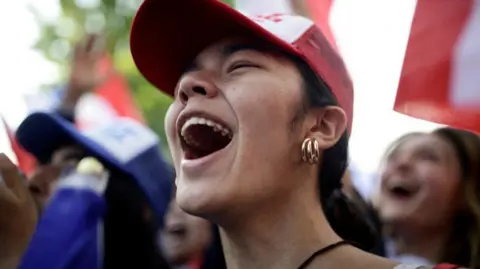
Perceptions of Chile as a stable and safe nation are being tested as the electorate has turned to hardline conservatism in response to fears about crime and immigration. José Antonio Kast, who has openly praised the dictatorship of General Augusto Pinochet, won the presidency amid increasing voter concerns.
Kast's history and the controversial opinions of his family have raised alarms among critics, but many of his supporters argue that there are historical precedents for his approach. Fully aware of the challenges that lay ahead, he has pledged to address crime while asserting his government will not mirror past authoritarian regimes.
This election marks a significant rightward shift across the continent, following similar electoral trends in Argentina, Bolivia, and beyond. Kast's administration is expected to align with conservative US politics, particularly regarding migration policies and fears surrounding public safety.
In his campaign, Kast promised aggressive measures including a border wall and mass deportations targeting undocumented migrants, which resonate amid rising foreign-born populations. His rhetoric has sparked debates over potential xenophobia, yet many supporters maintain that undocumented immigrants pose burdens on public resources.
As Kast prepares to take office, both supporters and opponents are wary of the implications his promises hold for the future of Chile. While the election reflects urgent concerns over security, the unfolding narrative around migration and law enforcement strategy will dominate the national conversation in the coming months.