As temperatures begin to drop, concerns are mounting among low-income families in the United States over delays in heating assistance funding due to the ongoing federal government shutdown. Many, like Jacqueline Chapman, a 74-year-old retired school aide, rely on financial support programs like the $4.1 billion Low-Income Home Energy Assistance Program (LIHEAP) to manage heating costs, especially during the cold months.
Chapman, who receives a modest $630 monthly Social Security check, fears that her ability to heat her apartment in Philadelphia may be compromised. I feel like I’m living in scary times. It’s hard to stay at ease when every expense matters, she said.
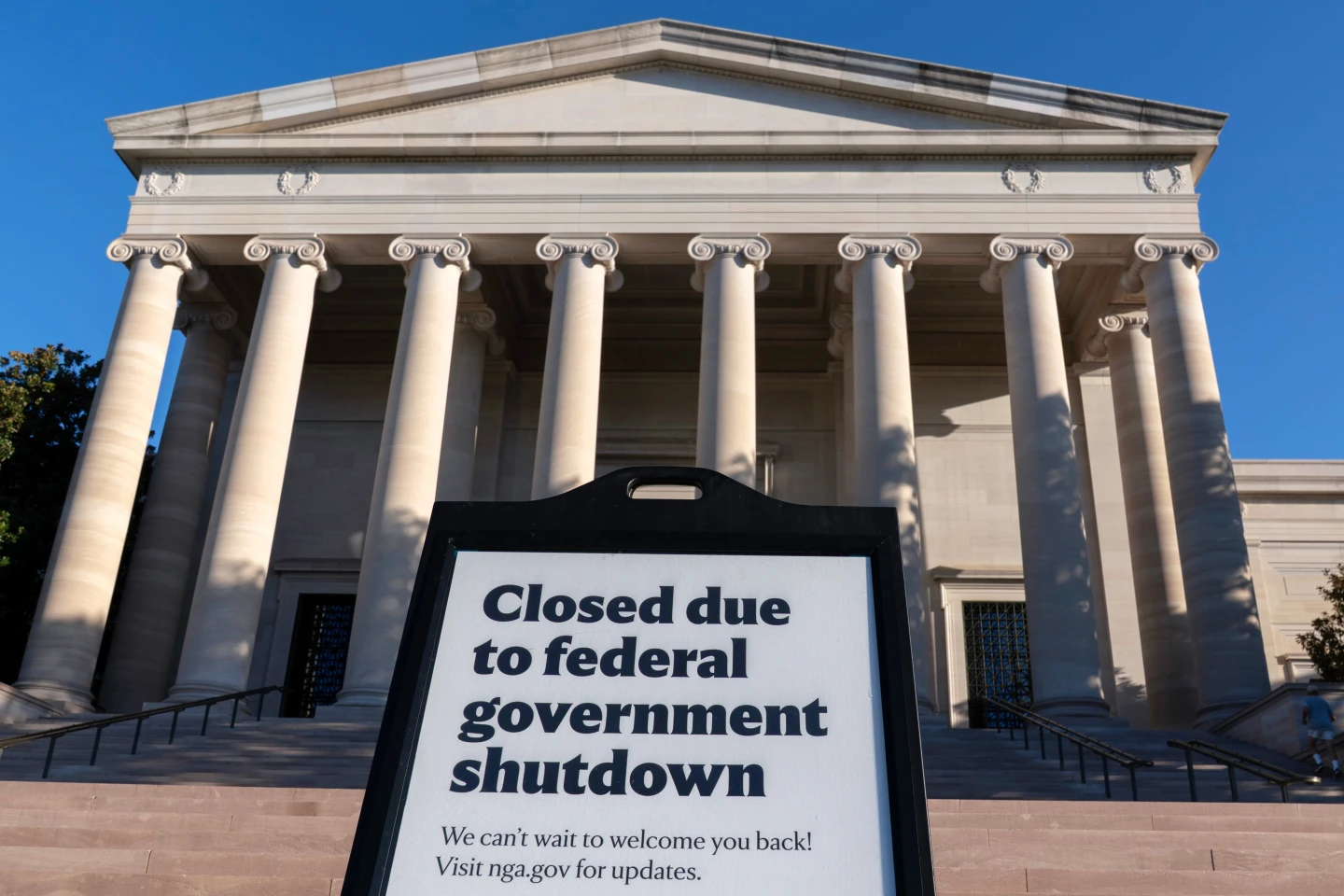
The current governmental impasse, now in its fifth week, has led to delayed funding for LIHEAP which serves millions of households nationally. This delay comes at a particularly precarious time as many rely on these funds to ensure their homes remain warm.
Mark Wolfe, executive director of the National Energy Assistance Directors Association, emphasized that the cumulative impact of the funding issues is particularly severe for poor families. These are critical income supports that are all potentially heading towards a cliff at the same time, he noted, indicating that such a widespread crisis is unprecedented in recent history.
States have begun warning applicants about potential delays. For instance, in Pennsylvania, the state administration has indicated that it cannot front the expected federal funds, thus postponing aid for some 300,000 households until December. Minnesota similarly expects its processing of LIHEAP applications to be delayed by about a month due to the ongoing shutdown, which may leave vulnerable families without heat during the coldest months.
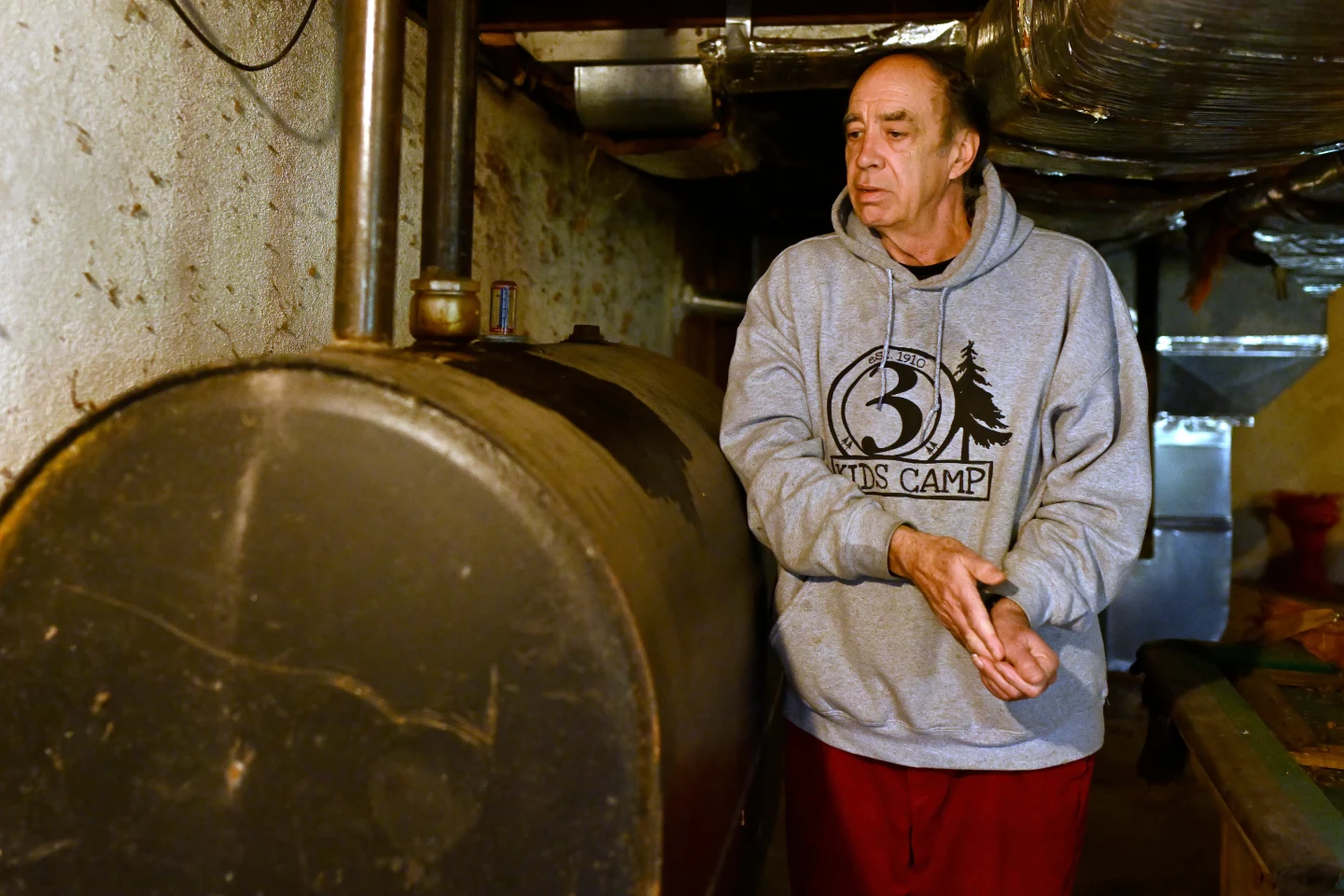
The LIHEAP program, which has enjoyed bipartisan support since its inception in 1981, helps families with utility bills and fuels used for home heating. If the situation persists, the vulnerable populations it serves, including families with young children and elderly residents, could experience significant hardship.
As prospects of government funding remain uncertain, experts warn that the timing and access to critical heating assistance may see further delays well into the winter season, potentially leaving low-income households grappling with both high energy prices and insufficient support.