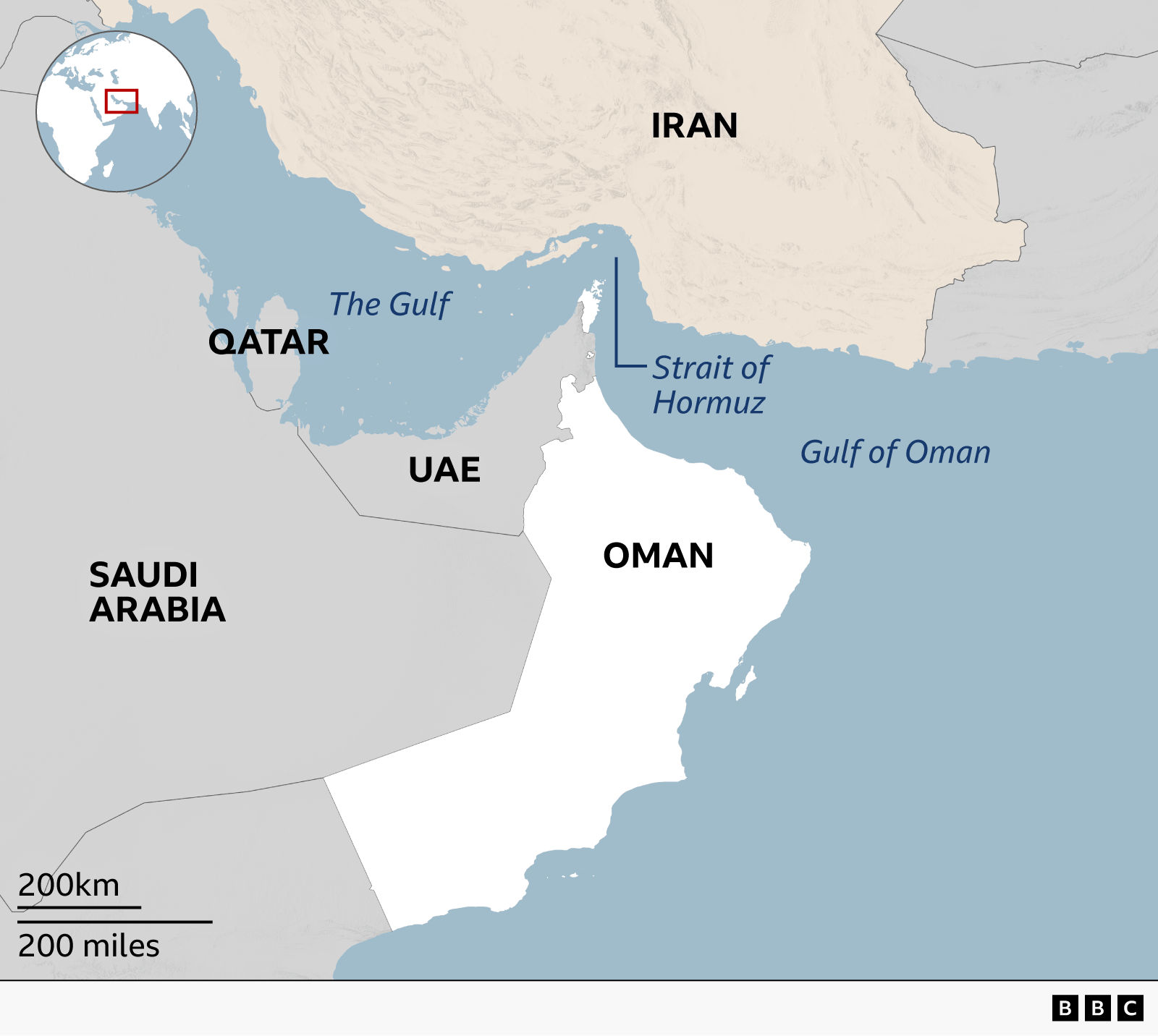
In a recent incident that has sparked outrage, prediction markets allowed users to place bets on the timing of a potential rescue of a U.S. airman whose fighter jet was shot down in Iran. Rep. Seth Moulton, a former Marine, condemned the practice as 'war profiteering' after he shared screenshots showing a significant number of users betting on specific dates for the rescue. Following the backlash, the popular platform Polymarket halted betting activities, recognizing that their integrity standards were not met.
Moulton's comments reflect growing concerns among lawmakers about the ethical implications of these markets, which facilitate betting on various outcomes, including serious events like military operations. The recent surge in betting activity related to international conflicts has prompted a bipartisan effort in Congress, highlighting the need for regulation and oversight of prediction markets to prevent insider trading and to protect the integrity of national security.
The discussion in Washington has become a rare point of agreement across party lines, centering around the risks posed by prediction markets in contexts involving sensitive information and national interests. As speculation around the U.S.-Iran relationship grows, the stakes in these markets draw heightened scrutiny from both Congress and the White House.
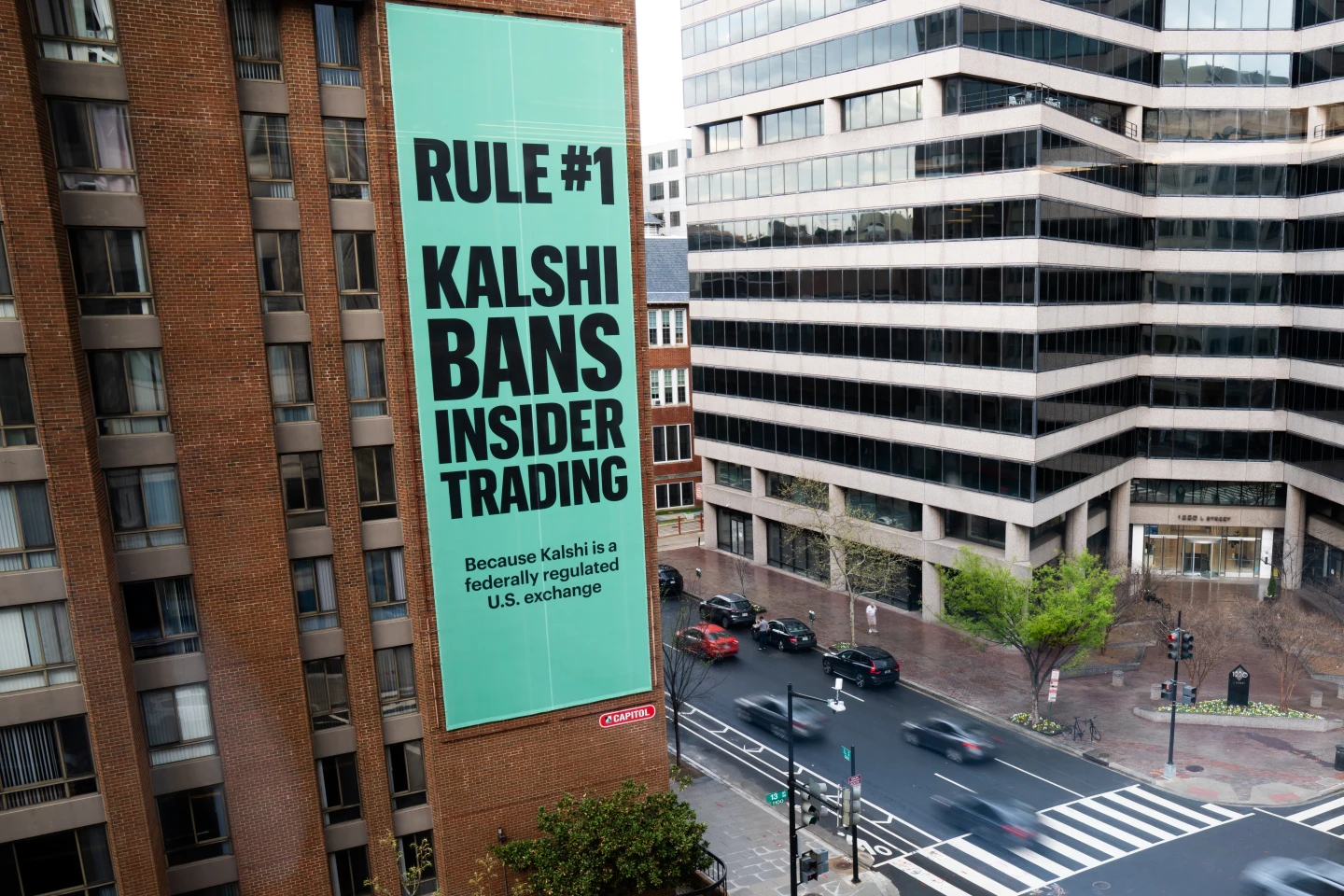
Predictions made through such platforms, particularly well-timed bets that have led to major profits for users, raise concerns about insider trading risks, especially with connections to high-profile individuals such as Donald Trump Jr., who is linked to both Polymarket and Kalshi.
Lawmakers, including Republicans and Democrats, are advocating for legislation that would prohibit the use of nonpublic information for betting on prediction markets, while relevant agencies like the Commodity Futures Trading Commission (CFTC) grapple with regulatory challenges. Currently, the CFTC is criticized for its lack of resources to adequately supervise these betting platforms, leading to debates about their legitimacy and fairness.
With bipartisan proposals gaining traction and evolving sentiments in Congress, it appears that as prediction markets grow in popularity, a legislative push for accountability and regulation may be imminent.
Moulton's comments reflect growing concerns among lawmakers about the ethical implications of these markets, which facilitate betting on various outcomes, including serious events like military operations. The recent surge in betting activity related to international conflicts has prompted a bipartisan effort in Congress, highlighting the need for regulation and oversight of prediction markets to prevent insider trading and to protect the integrity of national security.
The discussion in Washington has become a rare point of agreement across party lines, centering around the risks posed by prediction markets in contexts involving sensitive information and national interests. As speculation around the U.S.-Iran relationship grows, the stakes in these markets draw heightened scrutiny from both Congress and the White House.
Predictions made through such platforms, particularly well-timed bets that have led to major profits for users, raise concerns about insider trading risks, especially with connections to high-profile individuals such as Donald Trump Jr., who is linked to both Polymarket and Kalshi.
Lawmakers, including Republicans and Democrats, are advocating for legislation that would prohibit the use of nonpublic information for betting on prediction markets, while relevant agencies like the Commodity Futures Trading Commission (CFTC) grapple with regulatory challenges. Currently, the CFTC is criticized for its lack of resources to adequately supervise these betting platforms, leading to debates about their legitimacy and fairness.
With bipartisan proposals gaining traction and evolving sentiments in Congress, it appears that as prediction markets grow in popularity, a legislative push for accountability and regulation may be imminent.