On the Danube, a tiny, tax‑free nation is powered by crypto tycoons, trading democracy for token‑based voting and libertarian freedoms.
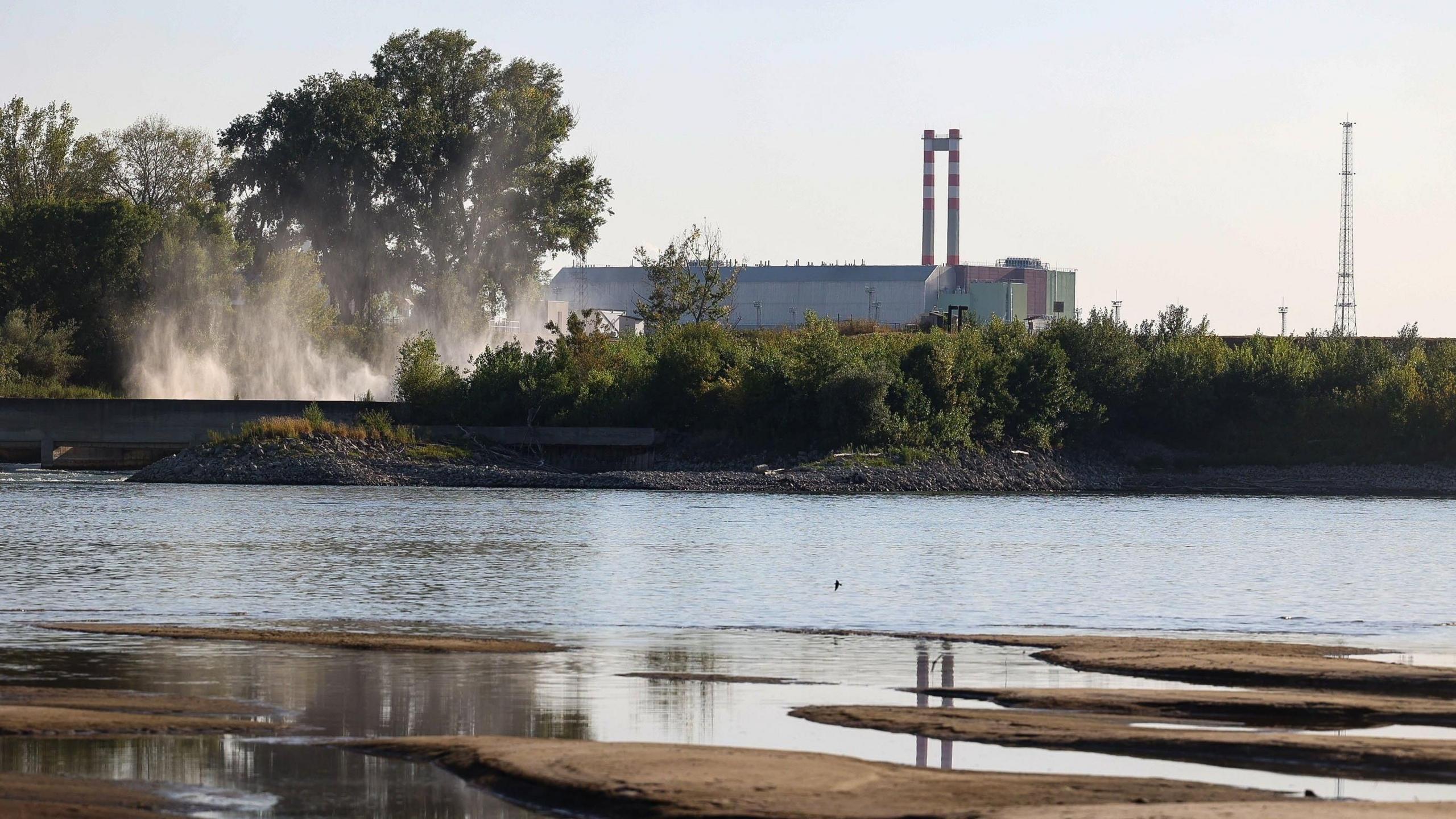
Liberland sits on a disputed strip of floodplain between Croatia and Serbia. It was founded by Vít Jedlička with the idea that a new kind of state could be run entirely by blockchain code. The premise is simple: the more crypto coins a citizen holds in the local token, Liberland Merits, the more say they have in picking leaders and passing laws. In practice, money buys political privileges.
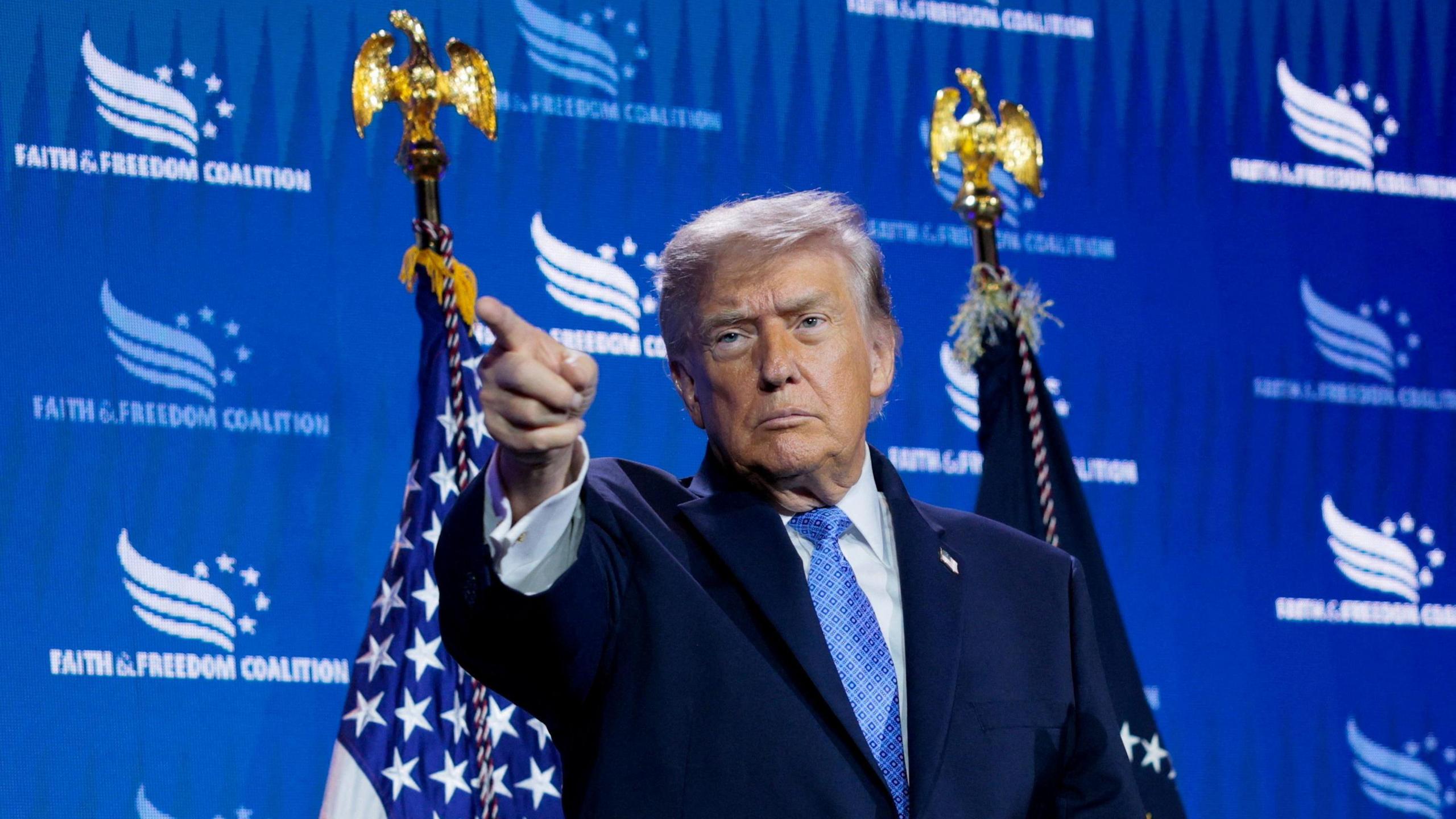
The project has attracted some of the world’s richest crypto‑entrepreneurs. Chinese billionaire Justin Sun—creator of the Tron network—has invested $75 million in Liberland’s launch capital and labels the venture a “digital republic.” Sun’s backing is joined by UK and US figures such as Tim Draper and the Trump support network, who view blockchain as a military‑grade hack to replace traditional state power.
The new nation even runs a tax‑free model. Interior minister Ivan Pernar, a former Croatian MP who was expelled for conspiracy theories, explains that tax revenue would undermine the “libertarian” ethos that the project promises. The combined result is a sovereign micro‑state that may attract tech entrepreneurs and their fortunes in exchange for political influence.
Meanwhile, the crypto lobby’s political push—now out‑spending fossil‑fuel interests—has turned Washington into a battleground for a new kind of power. The narrative emerging from Liberland, Justin Sun, Tim Draper, and others is that governments can be replaced by blockchains that bind policy to private wealth. While it promises unprecedented freedom, it also raises a hard question: who, in a vote‑by‑money system, truly holds power?
Read the full BBC story