Cubans Rally, Banging Pots as Third Nationwide Power Cut Strikes Havana
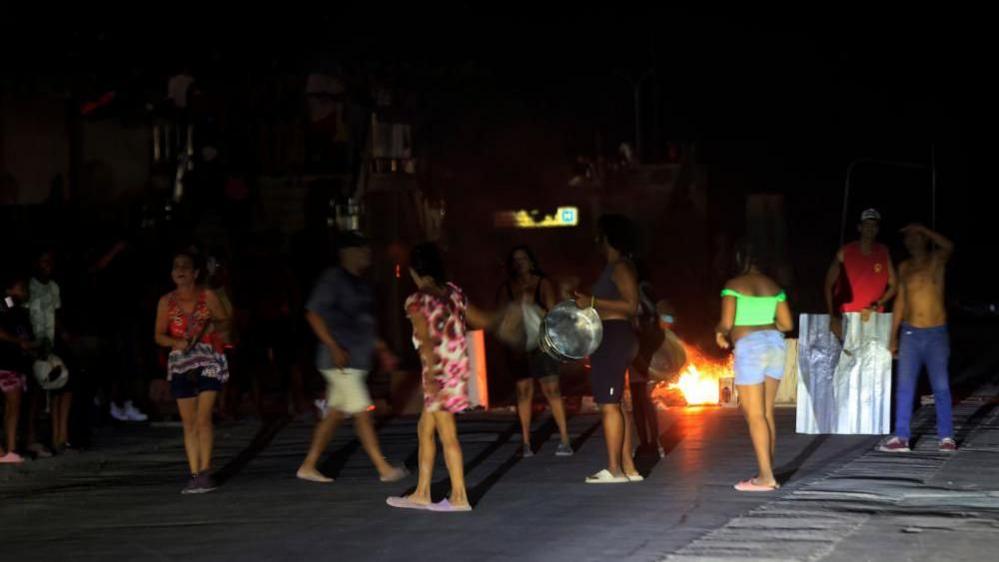
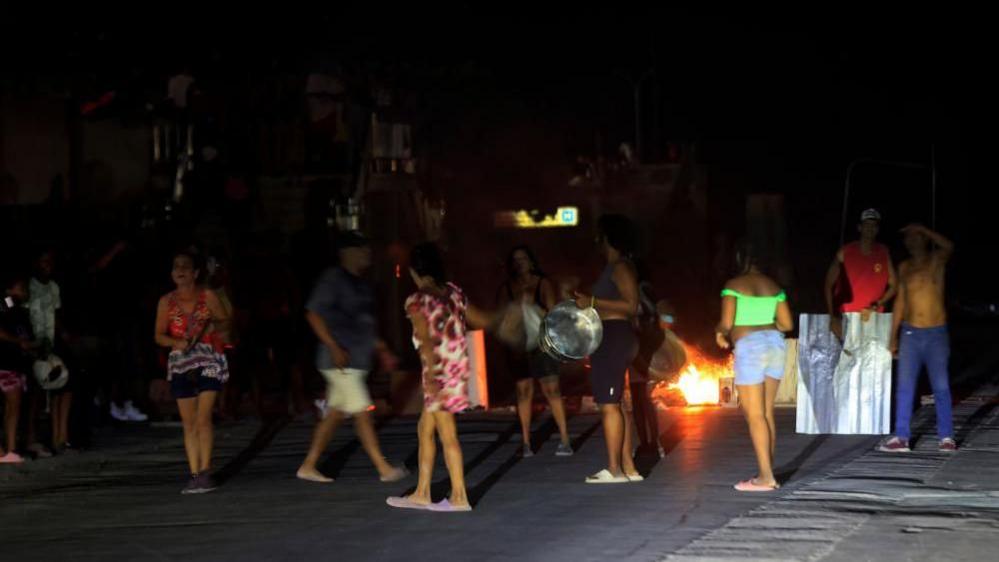
The streets of Havana were set aflame—literally and figuratively—when thousands of residents gathered on Tuesday evening to protest a third nationwide power cut in 2026. With satellite‑imaged fires dancing over the historic Cuban capital, citizens smashed pots and thrown garbage into the alleyways, demanding “turn on the lights!” in areas still shrouded in darkness.
A shortage of fuel, exacerbated by the United States’ effective oil blockade and a series of sanctions, has left even those who own generators powerless during outages. The state electricity company has yet to disclose the cause of the unplanned blackout, but the distress is palpable throughout the island.
President Miguel Díaz‑Canel acknowledged the worsening “shortages of transport, food, medicines” and the “lengthy power cuts” that are “causing dissatisfaction” across the country. However, in a stark move he urged Cubans to “direct your pot‑banging towards our northern neighbours,” attributing the crisis to the United States.
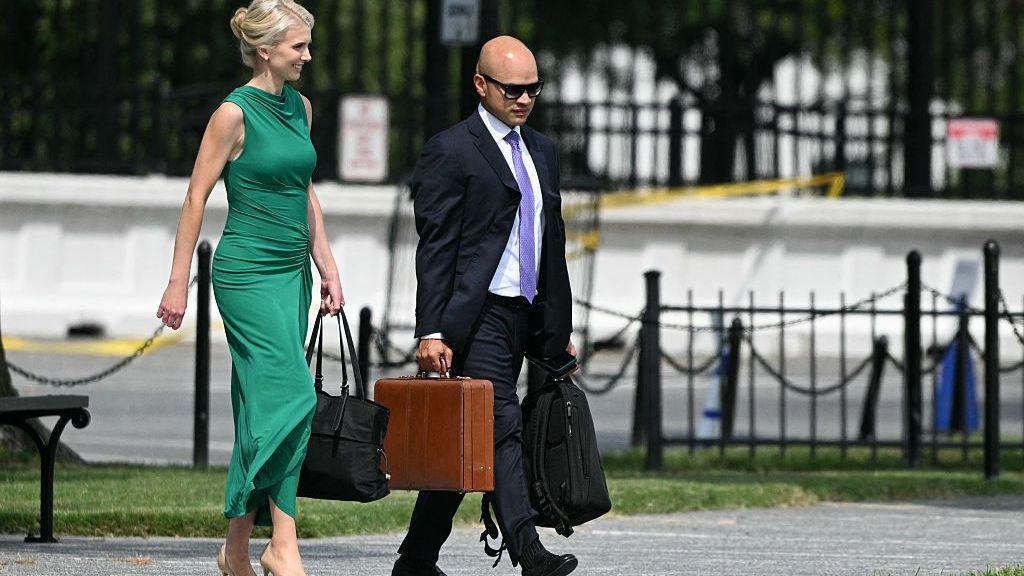
U.S. Ambassador to the United Nations Michael Waltz countered this claim, stating that the Cuban regime is in need of energy for its own benefactors and that it should “change your ways and turn the lights back on for your people.” Meanwhile, Cuba’s foreign minister Bruno Rodríguez denounced the U.S. as waging “multi‑dimensional, non‑conventional warfare” that has become “ever more cruel.”
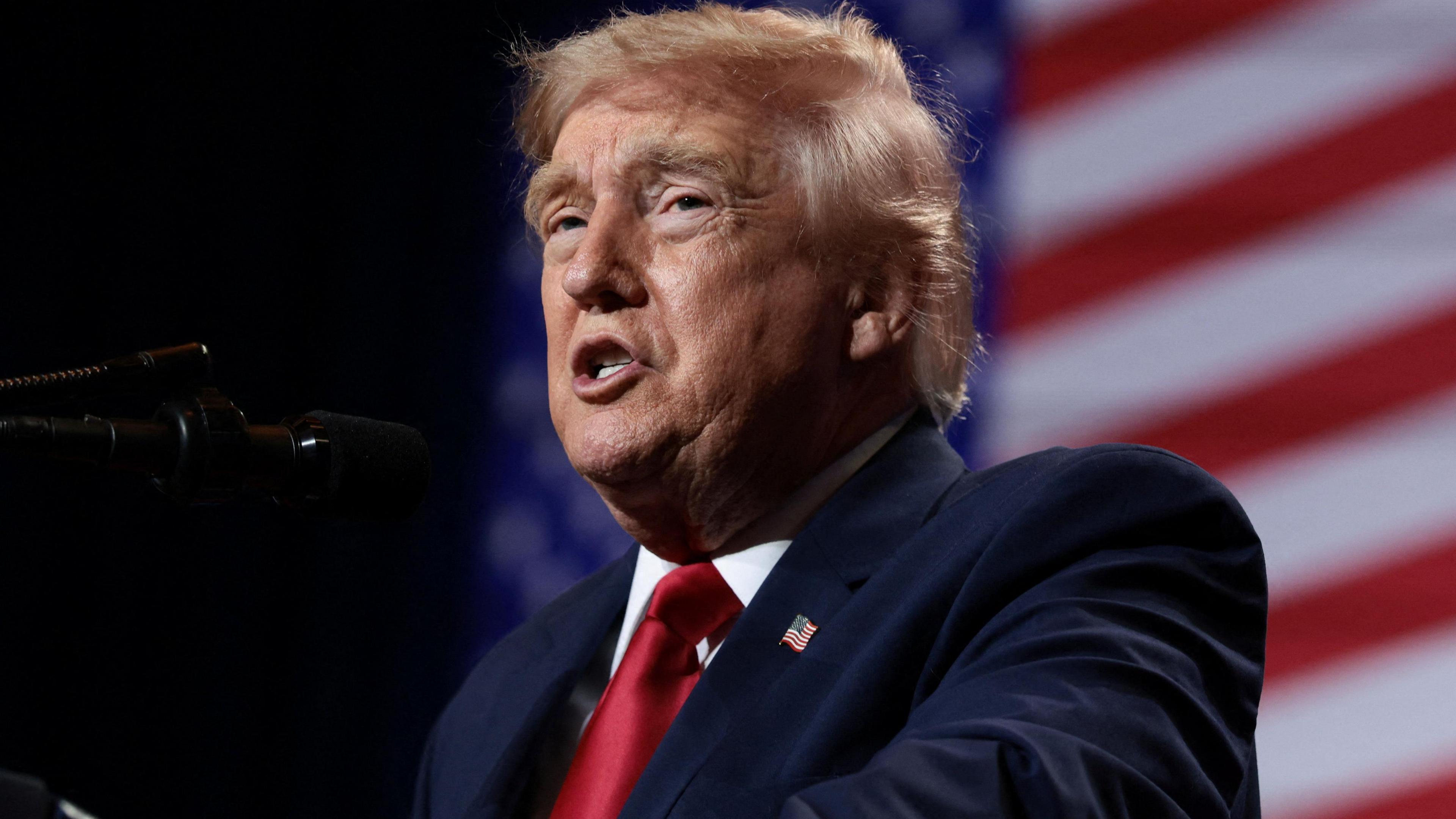
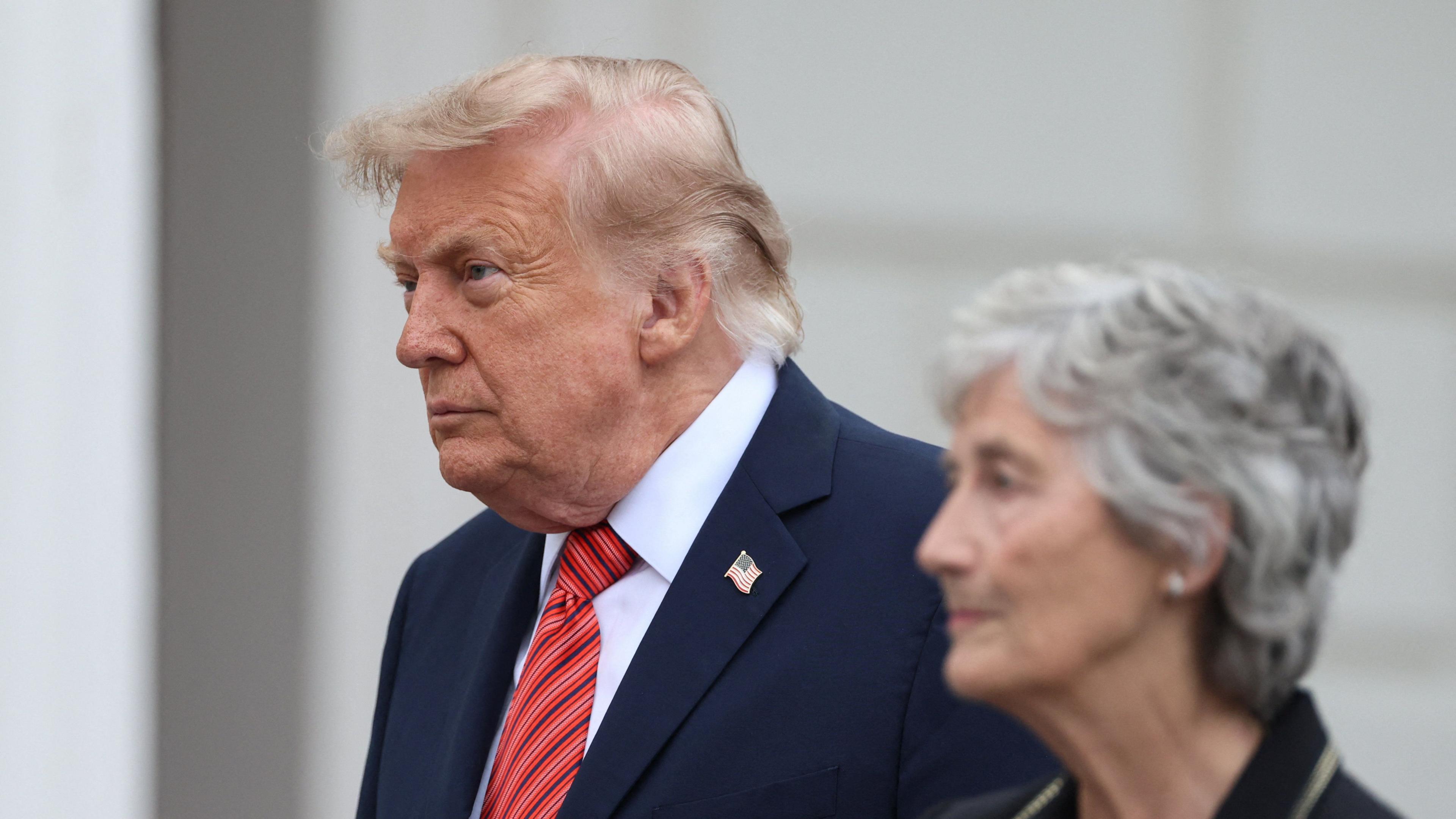
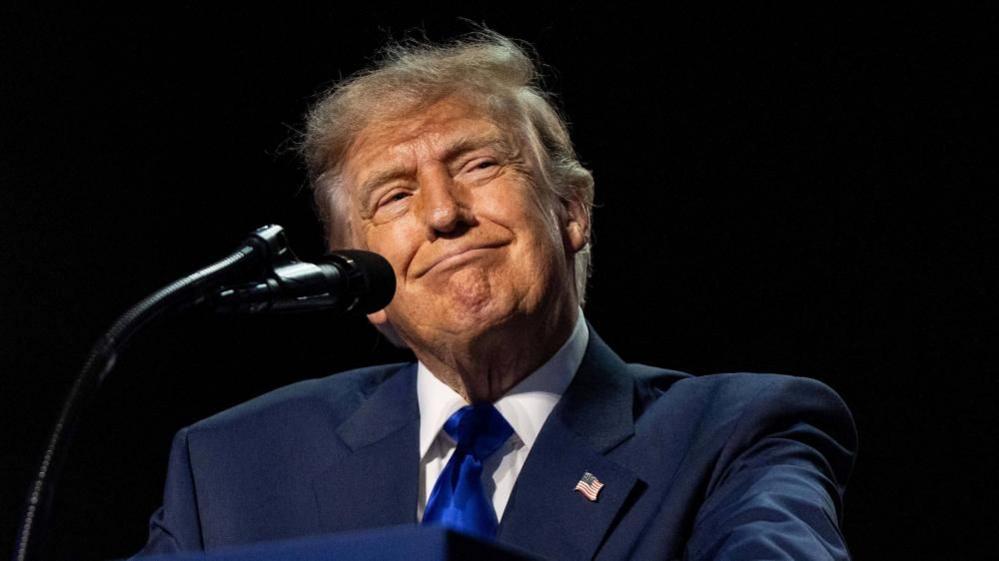
These exchanges come amid a sharp deterioration of U.S.–Cuban relations. Trump’s administration, last year, had levied a new set of sanctions and blocked oil shipments to the island, even threatening tariffs against countries that supply fuel. In retaliation, Cuba has accused the United States of strangling its economy through a growing blockade.
Despite fierce rhetoric, diplomatic talks continue behind closed doors. Yet the Cuban foreign minister admitted there was “no progress” while leaving the door open for dialogue “based on mutual respect and non‑interference.” The ongoing power crises, therefore, remain a flashpoint for both domestic unrest and international tension.