In brief
The recent murder of health insurance CEO Brian Thompson in New York has ignited widespread anger and scrutiny concerning the complexities and injustices of the U.S. healthcare system. Many Americans are urging for changes in insurance practices in light of this tragic event.
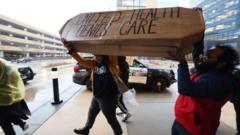
The shocking murder of health insurance executive Brian Thompson outside a New York hotel this week has sent shockwaves across the nation, revealing deep-rooted grievances toward a trillion-dollar industry marked by systemic failures. Onlookers might underestimate the significance of the term “prior authorization”—the process through which insurance companies review and approve treatment plans—but for many, it represents the bureaucratic hurdles that often deny them essential care. This past July, over 100 people gathered outside UnitedHealthcare's Minnesota headquarters in protest of the company's policies, leading to eleven arrests. These demonstrations, organized by the People's Action Institute, drew participants from various states, unified by shared experiences of denied claims and convoluted appeals processes. Thompson, the CEO of UnitedHealthcare under UnitedHealth Group, became a target of anger that had been simmering for years, exacerbated by the industry's profit-driven motive starting to overshadow patient care. Police continue to investigate the circumstances surrounding his murder, having discovered menacing messages inscribed on shell casings found at the crime scene, including words like "deny," "defend," and "depose," seemingly linked to the tactics used by insurers to deny coverage.Social media posts following Thompson's death revealed unparalleled disdain for insurance providers, with many expressing no sympathy for Thompson, given their own struggles with denied claims. One woman, suffering from terminal cancer, shared her frustrations about the incessant denials for her medications.Reports suggest that Thompson had received threats prior to the incident, indicating that the rising frustrations tied to healthcare costs may lead to increased hostility toward corporate leaders in the industry. Philip Klein, a security expert, remarked on the growing anger among American citizens and highlighted the need for corporate executives to prioritize personal security when engaging with the public.Politicians and industry representatives have expressed sorrow at Thompson's death, reflecting on his character as a devoted father and friend. However, the online response from consumers varied widely, revealing an unsettling divide between industry sympathizers and those who feel beaten down by their dealings with healthcare insurance.People's Action, the advocacy group behind recent protests, acknowledged the raw emotions stemming from America's broken healthcare system. The complexity of navigating insurance coverage leaves many frustrated and feel abandoned when they most need care, especially since half of insured adults reported unexpected charges that were not covered by their policies, according to research from the Commonwealth Fund.Healthcare costs continue to soar in the U.S., with the average premium for family coverage reaching around $25,000, making it increasingly burdensome for many families. High rates of denied treatment claims have contributed to a crisis of medical debt unique to the United States. Notably, UnitedHealthcare faces mounting challenges, including lawsuits alleging unjust treatment denial practices.The recent murder of Thompson underscores a critical moment for the healthcare system, as a myriad of voices expressing dissatisfaction with insurance policies continue to grow louder. As citizens demand accountability and reform, industry leaders are urged to reassess their strategies to meet the needs of patients and navigate an increasingly hostile landscape.