
In brief
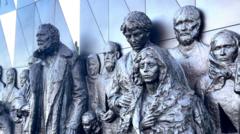
In a dramatic display, Russia's newly erected memorial in St. Petersburg commemorates Soviet civilians who suffered during World War II, marking a notable pivot from acknowledging the Holocaust. The 40-meter-high monument, inaugurated by President Vladimir Putin in January 2022, showcases a mother with her children at the top, with bronze depictions of suffering beneath. The site, which also features the eternal flame and the names of notorious Nazi extermination camps, is officially labeled as a tribute to "Soviet civilians who fell victim to the Nazi genocide".
While recognition of Holocaust atrocities seems present in Putin's statements—highlighting the roles of various ethnic groups among the victims—official narratives increasingly present the Soviet populace, encompassing Russian citizens, as primary victims. This shift coincides with the absence of Russia's invitation to commemorate the 80th anniversary of Auschwitz’s liberation, sparking debates about historical memory and victimhood in wartime.In the context of rising international tensions, particularly following Russia's actions in Ukraine, there is a growing theme among Russian officials that position their country as victimized by Western forces. The end of the Soviet era saw a more open discussion of the Holocaust, but current sentiments seem to favor a collective suffering narrative, sidelining the specific plight of the Jewish community during the Holocaust.As Russia's relationship with Poland continues to deteriorate, officials in both nations express divergent views regarding memorials to shared histories. Instigators of the Auschwitz event highlight the importance of remembering the complexity of liberation while emphasizing freedom from oppression, suggesting it is disingenuous for a nation perceived as aggressive to be included in commemorative observances. Despite this, Russian Jewish leaders advocate for an inclusive remembrance of all victims of fascism and the lessons it imparts for modern society, urging an acknowledgment that remains crucial in the face of rising extremism and Holocaust denial.

