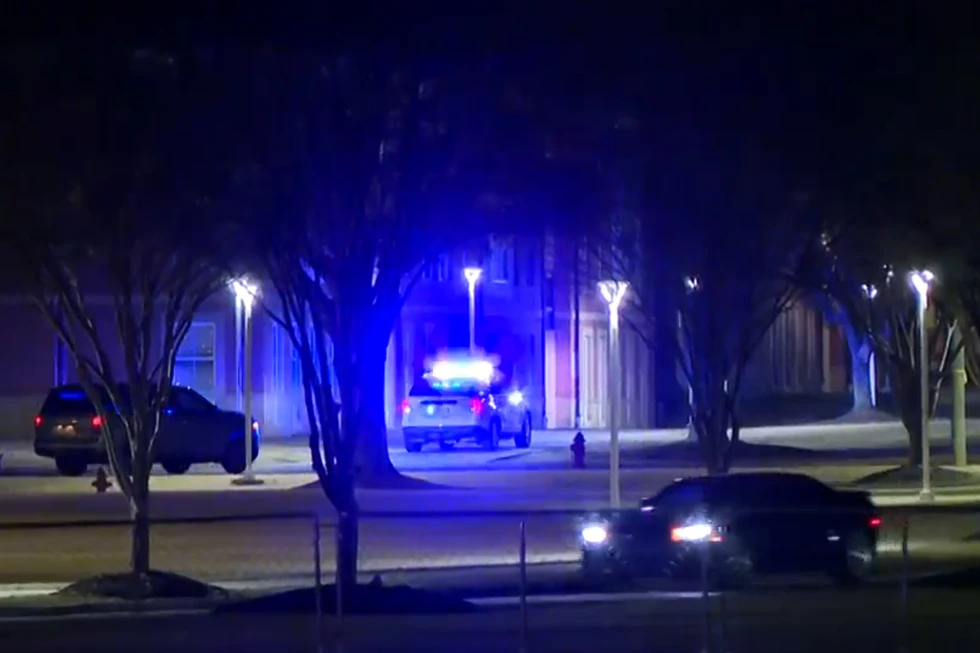
The fatal shooting of a woman in Minneapolis by a federal law-enforcement officer is laying bare the sharp divides in American politics – and threatening to inflame an already contentious debate over immigration policy. The incident took place in broad daylight. There are multiple videos taken by bystanders from various locations. And yet even the basic facts are being disputed.
Almost immediately after the shooting, two starkly different accounts began to take shape. Any ambiguities in the videos shared online were seized upon - different angles and different screengrabs were used to push a particular narrative.
And on the public stage, state and federal officials openly disagreed.
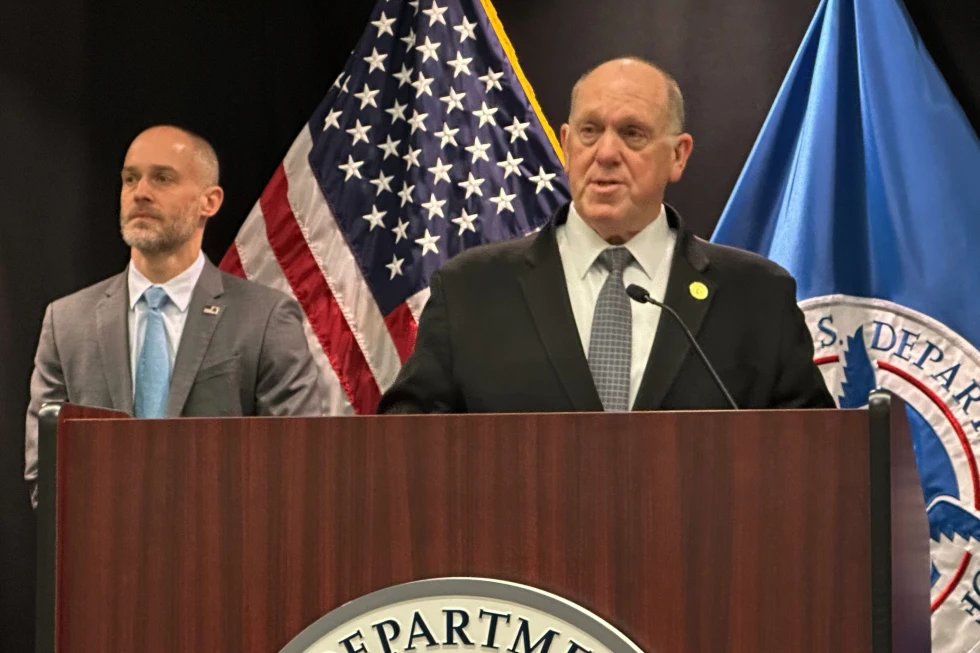
According to Homeland Security Secretary Kristi Noem, the driver – 37-year-old Renee Good – was to blame. As she drove away from ICE officers, she weaponised her car in a domestic terror attack, Noem said.
President Donald Trump, in a Truth Social post, echoed that sentiment, blaming a professional agitator and ensuring almost immediate political implications, while local leaders such as Minneapolis Mayor Jacob Frey criticized the use of lethal force.
Governor Tim Walz stated that the shooting was totally predictable and attributed it directly to increased federal immigration presence in Minnesota.
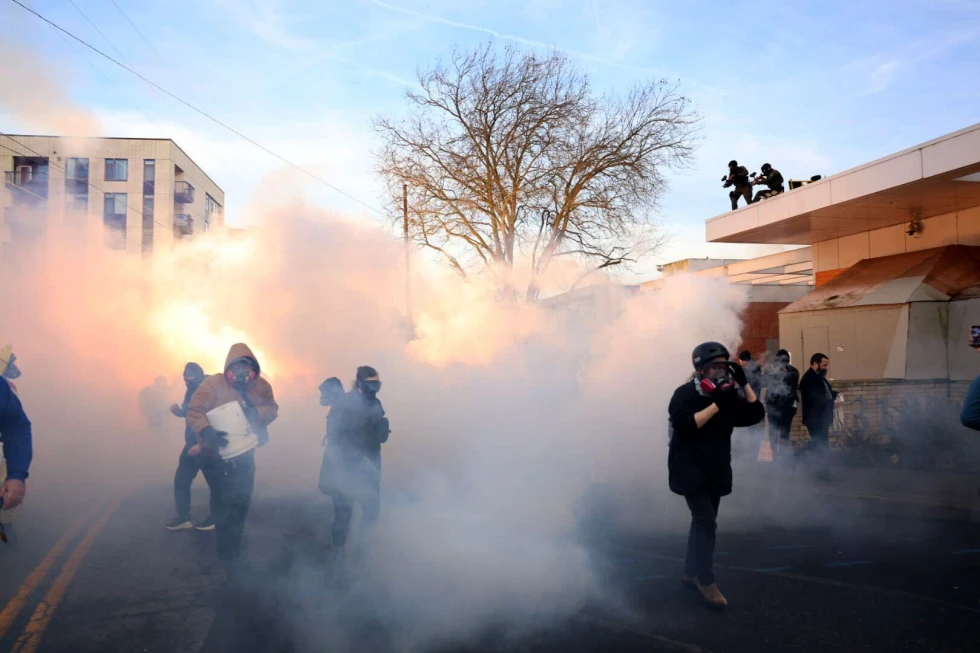
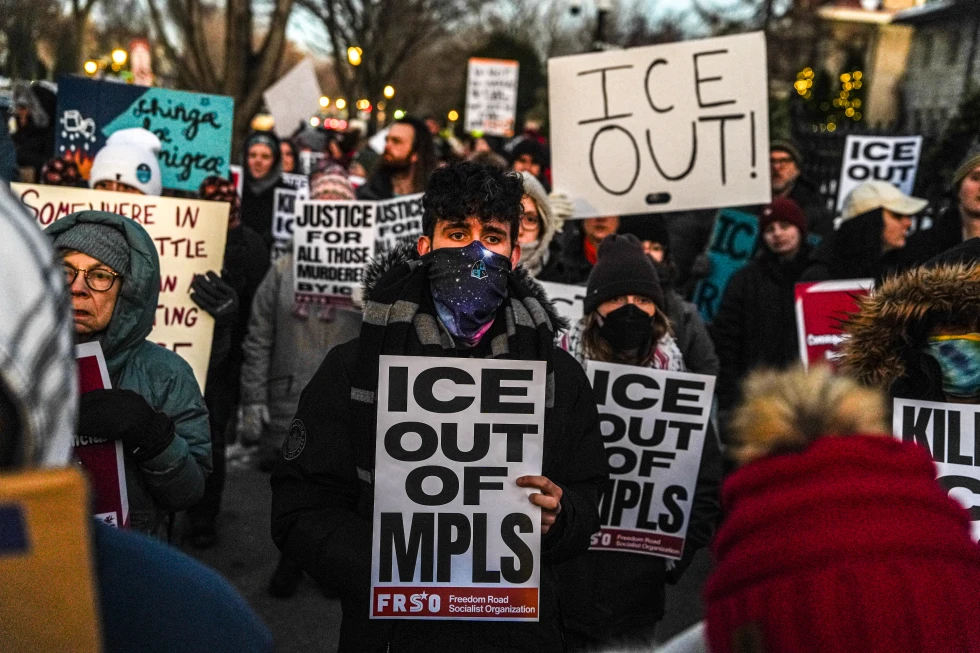
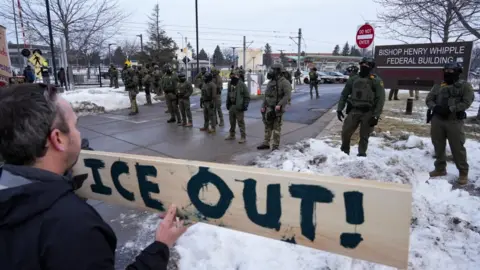
The stark contrast in narratives has led to public protests in response to the shooting, with demonstrators rallying against ICE operations. As the investigation unfolds, the division between federal authorities and local officials underscores the deep rift surrounding immigration policies in the U.S.
The atmosphere in Minneapolis is further charged, with calls for accountability gaining momentum amidst warnings from Governor Walz concerning potential violence if protests escalate. This incident is not just a moment but a reflection of ongoing tensions, fueled partly by recent federal immigration enforcement strategies, intended to deter undocumented migration.
Almost immediately after the shooting, two starkly different accounts began to take shape. Any ambiguities in the videos shared online were seized upon - different angles and different screengrabs were used to push a particular narrative.
And on the public stage, state and federal officials openly disagreed.
According to Homeland Security Secretary Kristi Noem, the driver – 37-year-old Renee Good – was to blame. As she drove away from ICE officers, she weaponised her car in a domestic terror attack, Noem said.
President Donald Trump, in a Truth Social post, echoed that sentiment, blaming a professional agitator and ensuring almost immediate political implications, while local leaders such as Minneapolis Mayor Jacob Frey criticized the use of lethal force.
Governor Tim Walz stated that the shooting was totally predictable and attributed it directly to increased federal immigration presence in Minnesota.
The stark contrast in narratives has led to public protests in response to the shooting, with demonstrators rallying against ICE operations. As the investigation unfolds, the division between federal authorities and local officials underscores the deep rift surrounding immigration policies in the U.S.
The atmosphere in Minneapolis is further charged, with calls for accountability gaining momentum amidst warnings from Governor Walz concerning potential violence if protests escalate. This incident is not just a moment but a reflection of ongoing tensions, fueled partly by recent federal immigration enforcement strategies, intended to deter undocumented migration.