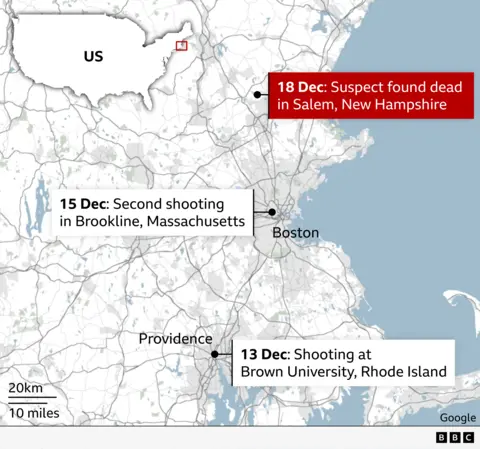
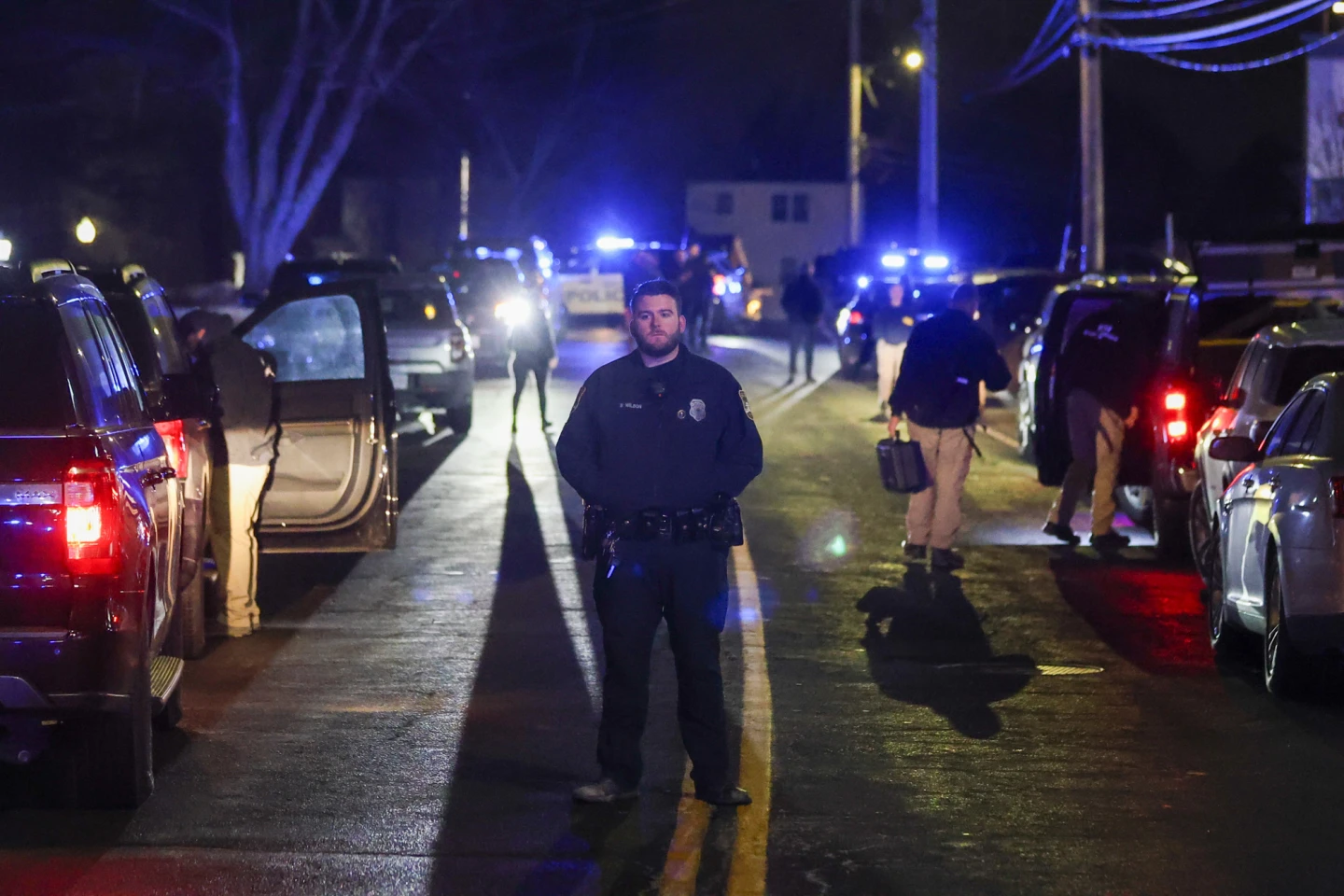
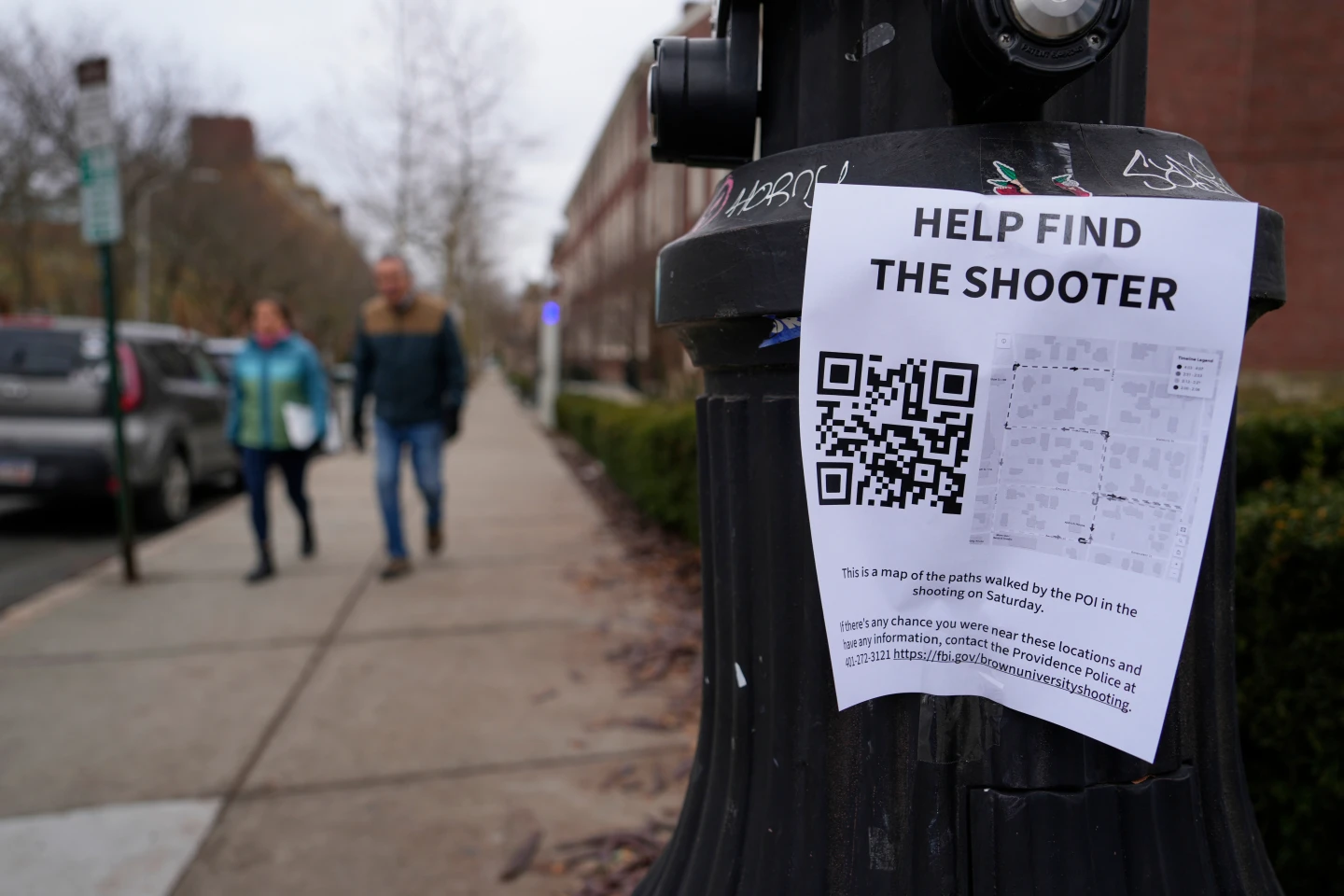
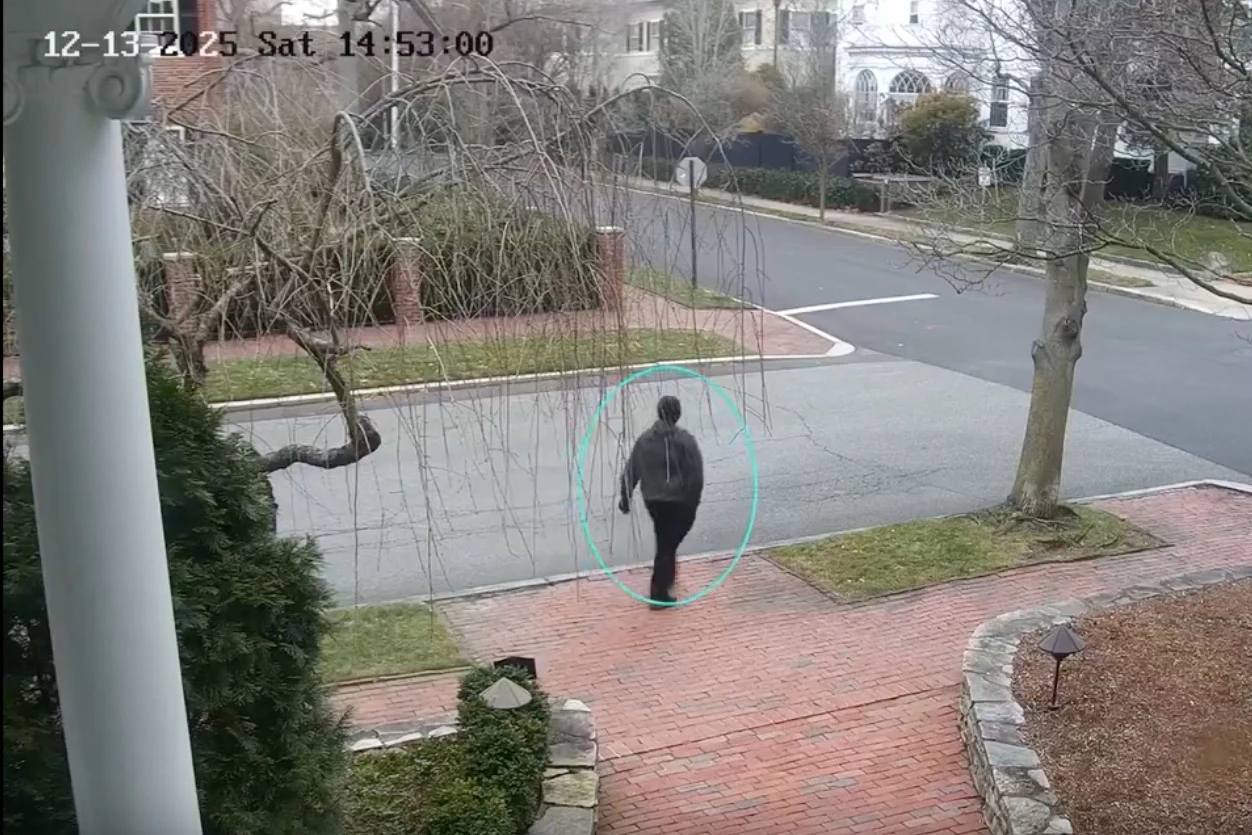
WASHINGTON (AP) — The Portuguese suspect in the Brown University and MIT shootings came to the United States through a little-known pathway called the diversity immigrant visa. This program allocates up to 50,000 green cards annually via a lottery system to individuals from countries with low representation in U.S. immigration. Following the revelation of the suspect's identity, Homeland Security Secretary Kristi Noem announced the suspension of the program, arguing that the alleged shooter should never have been able to enter the U.S.
The Trump administration has previously sought to limit legal immigration in reaction to violent incidents, citing challenges in vetting applicants. Despite these claims, experts emphasize that foreigners face extensive scrutiny before being granted entry into the U.S. Critics contend that the suspension of the diversity lottery serves as collective punishment for a crime committed by an individual.
The diversity visa program was established in 1990 to provide opportunities for individuals from underrepresented nations to immigrate to the U.S. This year, a significant portion of the available slots were allocated to applicants from Africa, Asia, and Europe. However, securing a visa through this lottery is highly competitive; with nearly 21 million applicants last year for about 130,000 available visas.
U.S. Citizenship and Immigration Services (USCIS) head Joseph Edlow has expressed a desire to eliminate the diversity visa program entirely in favor of a merit-based immigration system. This, combined with historical precedents of limiting immigration in response to individual acts of violence, raises concerns about the future of the diversity visa and its impact on communities worldwide.
As the administration explores the implications of this suspension, Secretary of State Marco Rubio noted that the intention is not to label all diversity visa holders as threats but to improve vetting processes. Critics, however, fear that the suspension is a politicized effort to diminish legal immigration opportunities for those who contribute positively to society. This ongoing debate underscores the tension between immigration policy and national security in current political discourse.
The Trump administration has previously sought to limit legal immigration in reaction to violent incidents, citing challenges in vetting applicants. Despite these claims, experts emphasize that foreigners face extensive scrutiny before being granted entry into the U.S. Critics contend that the suspension of the diversity lottery serves as collective punishment for a crime committed by an individual.
The diversity visa program was established in 1990 to provide opportunities for individuals from underrepresented nations to immigrate to the U.S. This year, a significant portion of the available slots were allocated to applicants from Africa, Asia, and Europe. However, securing a visa through this lottery is highly competitive; with nearly 21 million applicants last year for about 130,000 available visas.
U.S. Citizenship and Immigration Services (USCIS) head Joseph Edlow has expressed a desire to eliminate the diversity visa program entirely in favor of a merit-based immigration system. This, combined with historical precedents of limiting immigration in response to individual acts of violence, raises concerns about the future of the diversity visa and its impact on communities worldwide.
As the administration explores the implications of this suspension, Secretary of State Marco Rubio noted that the intention is not to label all diversity visa holders as threats but to improve vetting processes. Critics, however, fear that the suspension is a politicized effort to diminish legal immigration opportunities for those who contribute positively to society. This ongoing debate underscores the tension between immigration policy and national security in current political discourse.