In brief
Executives from major US firms, including Intel, Skechers, and Procter & Gamble, are expressing alarm over the adverse effects of tariffs on their businesses and the broader economy, prompting profit forecast revisions amid rising costs.
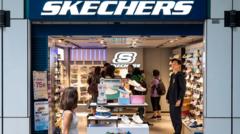
Top executives from prominent US corporations are sounding the alarm about how tariffs are impacting their operations and the economy at large. Intel, a key player in the tech industry, Skechers, a leading footwear brand, and Procter & Gamble, a household consumer goods giant, have either reduced their profit expectations or completely withdrawn them, citing growing economic uncertainty.The Trump administration has implemented significant tariffs as a means to negotiate new trade agreements with pivotal trading partners; however, no substantial deals have been finalized as of yet, although progress in discussions with South Korea has been noted.David Zinsner, Intel's financial chief, highlighted the unpredictable nature of US trade policies and regulatory challenges, which he believes raises the risk of an economic downturn. This uncertainty has already led to predictions of increased costs for many companies, including Intel, whose stock plunged by over 5% following the announcement of its disappointing profit forecast.In a similar vein, Skechers announced it could not confidently provide annual profit projections due to the volatile market conditions stemming from tariffs, which caused its shares to falter. With a substantial portion of its manufacturing occurring in Asia, especially China, Skechers is navigating challenges that its competitors like Nike and Adidas also face.Procter & Gamble’s leadership echoed these concerns, indicating that tariffs could result in higher prices for consumers. The company, known for brands like Ariel and Gillette, plans to adjust its pricing strategies and anticipates lower sales growth than previously expected as they seek to offset increased material costs resulting from tariffs.The impact of trade tensions is not just felt by American companies. Seven & I, the Japanese parent company of 7-Eleven, emphasized that uncertainty surrounding tariffs complicates its operations, especially in North America, which represents a significant portion of its revenue. Incoming CEO Stephen Dacus stressed the need for maintaining product quality while managing costs in this evolving environment.Additionally, South Korean automotive manufacturer Hyundai announced it is forming a task force to address the situations arising from tariffs and expects a challenging market landscape, noting it may relocate some manufacturing operations outside of South Korea.Overall, nervousness around trade policies extends to companies globally as they brace for continued challenges from fluctuating tariff landscapes. Optimistically, recent discussions between US and South Korean officials signal potential movement towards tariff removals, with Treasury Secretary Scott Bessent suggesting fruitful talks may expedite progress.