In a striking turn of events, the legal landscape surrounding former President Donald Trump has evolved dramatically. After a jury found him guilty on 34 counts related to hush money payments to actress Stormy Daniels, the implications of this verdict echoed throughout the nation. It marked the first time in U.S. history that a former president was declared a felon. As Trump's legal troubles mounted, they threatened to undermine not only his political aspirations but also the stability of the American judiciary.
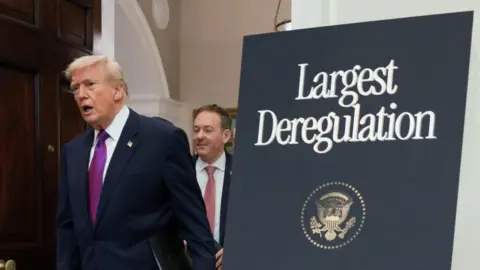
Fast forward to today, Trump's fortunes have changed with three significant Supreme Court decisions that have empowered him significantly. These rulings granted immunity to presidents from prosecution, affirmed his eligibility to run for office despite attempts to overturn the 2020 election results, and curtailed the ability of district judges to impede his executive agenda. As a result, Trump is using the courts strategically to reshape the presidency and entrench his political base.
This shift has alarmed legal experts and judges alike, who argue that the current administration's attacks on the judicial system are unprecedented. Former judge John E Jones III described the situation as an "attack" on U.S. district courts. Trump and his aides have labeled judges who contradict executive decisions as "radical left lunatics," contributing to a hostile environment for the judiciary. Judges now face unprecedented threats, including violence and harassment prompted by inflammatory rhetoric from the administration.
The Trump administration's strategy includes the widespread use of executive orders, surpassing those of his predecessors. Critics argue that these actions threaten the rule of law and bypass Congress’s role in governance. The administration argues that judges thus far have overstepped their bounds and interfered with the will of the people.
As the ongoing confrontation between the Trump administration and the judiciary intensifies, experts express concerns about the long-term implications for the balance of power within the U.S. government. Calls for a restoration of judicial authority are growing, but so is the risk of violent consequences for judges standing against the administration.
In sum, the interplay between Trump's legal battles and the judiciary raises profound questions about the future of democracy in America. While Trump's current power surge stems from strategic court rulings, many are left pondering the enduring impact on the fundamental principles of checks and balances that are intended to govern the nation.