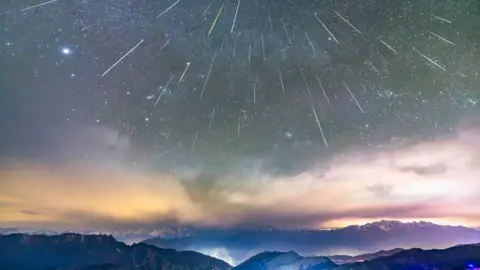
The Geminid meteor shower - one of the most spectacular in the celestial calendar - is set to peak this weekend, and astronomers are predicting excellent conditions for viewing, weather permitting.
The meteors will be visible globally, with the Northern Hemisphere set to enjoy the best views. In the UK, a waning crescent Moon is expected to rise after midnight, offering hours of dark skies ideal for observing the meteors.
Here's what you need to know about the Geminids, including how to maximize your chances of witnessing this brilliant show.
What is the Geminid meteor shower?
Meteor showers occur when Earth passes through the trails left by comets or, in some rare cases like the Geminids, by asteroids. As dust and gases enter our atmosphere, they burn up, creating the shooting stars we admire.
The Geminids are caused by debris from the asteroid 3200 Phaethon. Scientific findings have revealed this asteroid emits a glowing sodium gas tail, complicating the previous understanding of how the dust was generated.
Will moonlight spoil the show this year?
Bright moonlight can hinder visibility when attempting to observe meteors. However, this year, the crescent Moon will mostly be in shadow, and won't rise until early in the morning, creating optimal conditions for viewing during the early night hours.
It’s essential to check local weather forecasts to find the best time to observe, ideally in a location devoid of light pollution and with an unobstructed view of the sky.
Tips for night-sky enthusiasts
The Geminids are a visual spectacle best seen with the naked eye, so no special equipment is required. Dress warmly, and consider bringing a blanket or reclining chair to get comfortable while watching.
During the shower's peak on December 14, under optimal conditions, you could witness about 100 meteors per hour.
What will the weather be like for the Geminids peak?
Unfortunately, forecasts indicate windy and cloudy conditions in the UK during the peak. However, clear spells may appear on the night of December 14, particularly in Northern Scotland and parts of East Anglia. Regularly check the Met Office's Cloud Cover Map for potential viewing opportunities.