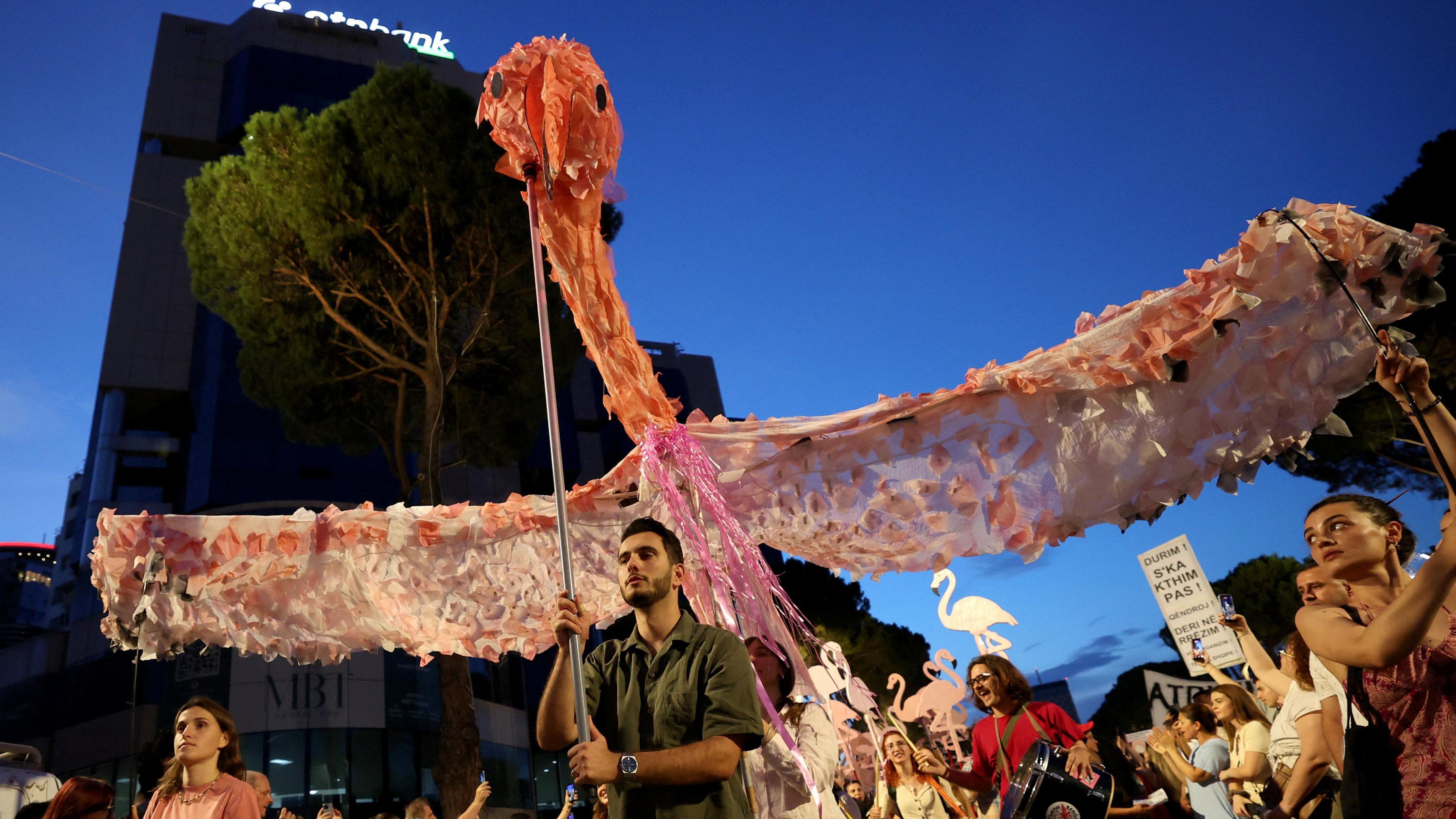
The Albanian capital is filled with the unmistakable scent of pink: the flamingos of Narta Lagoon, once a symbol of nature’s quiet beauty, have become the defining banner of a movement that began as a protest against a planned luxury resort and has now grown into a full‑blown call for political change.
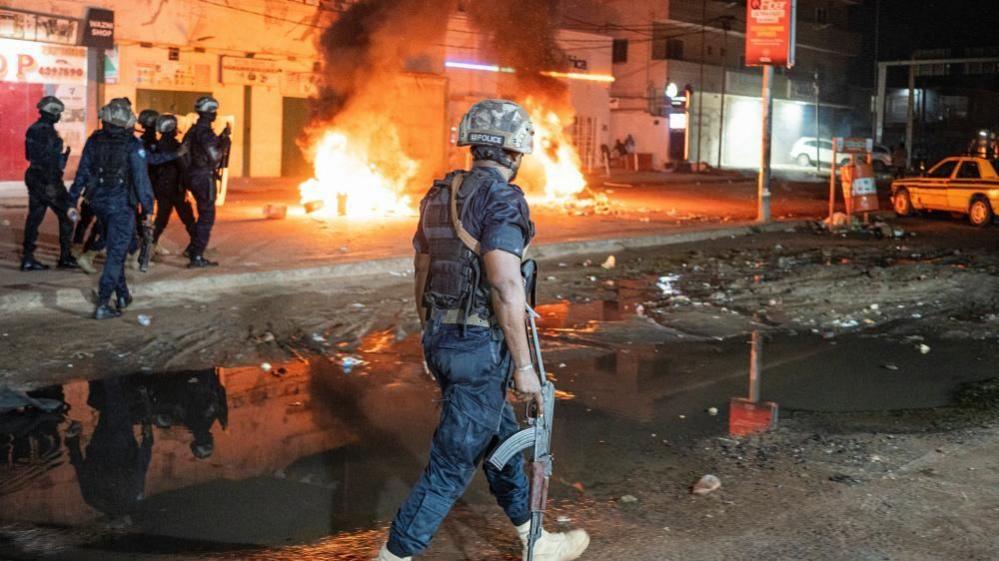
Each night, thousands march outside Prime Minister Edi Rama’s office in Tirana chanting not only about the flamingos but about schools, jobs, hospitals and an economy that many feel has outlived its promise. Their demand is stark: the resignation of the 13‑year‑old Socialist government.
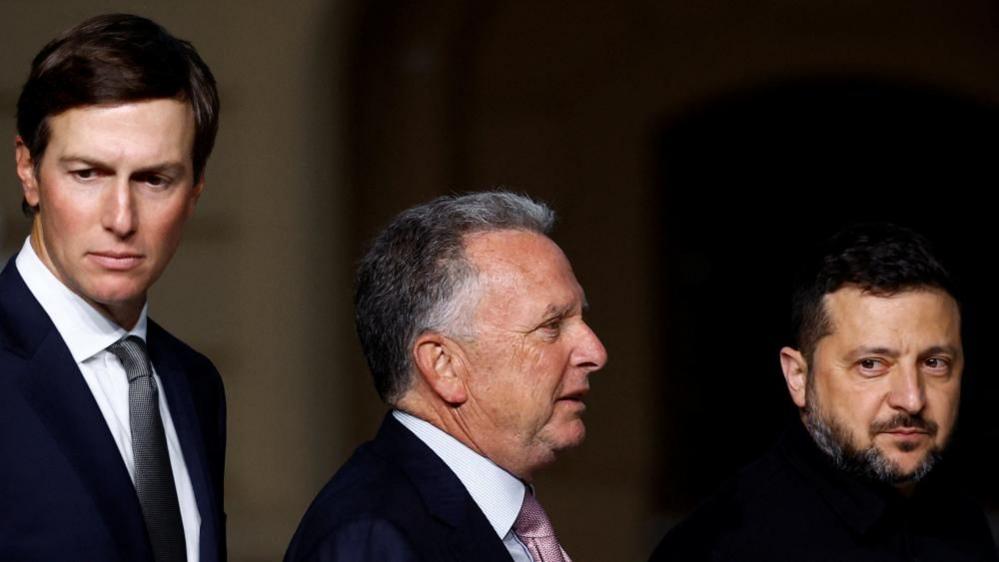
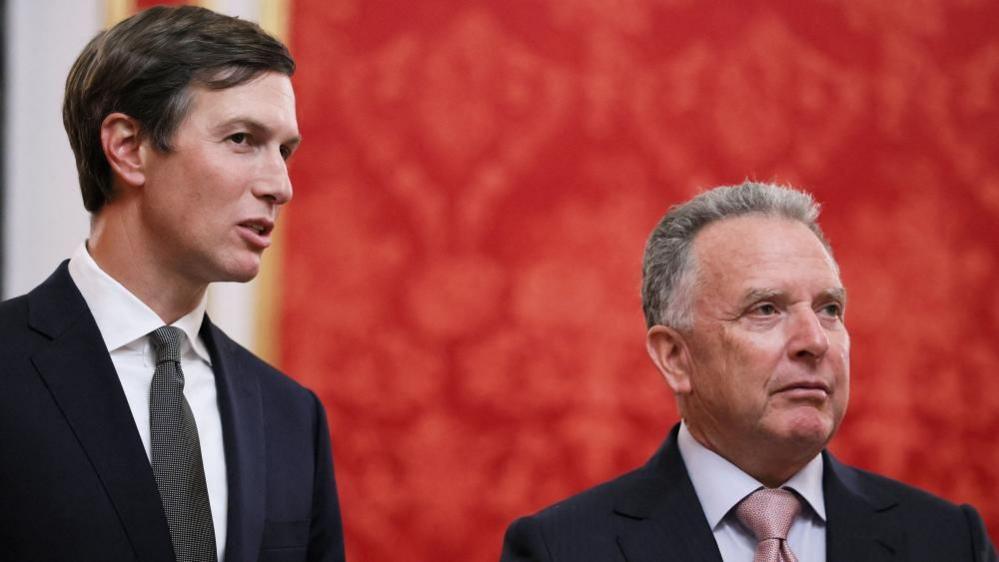
The resort under debate was promised all the “ear-marked” title of a green investor, even associated with Jared Kushner. Yet, plan approval is still in doubt, and a bulldozer has already appeared on the south side of the lagoon, while fences encircle what should be a protected wildlife habitat.
A video that circulated worldwide showed a security guard smacking a protester, a scene which the Prime Minister himself confirmed happened – a moment that only stoked the furnace of anger.
Opposition figures, such as activist Fatos Lubonja, argue the building boom is a façade for money laundering, funded by oligarchs, organised crime, and corrupt authorities. “If you see these skyscrapers, you see the plan – organised crime, oligarchs, state powers pulling the strings,” he told the BBC.
Meanwhile, the youngest MP in parliament, environmental activist Marjana Koceku, has walked out of the Socialist Party, stating that the party’s glossy façade can’t mask the systemic corruption it compels.
While Rama insists the protests signify healthy democracy, his party’s partners – also now investigated by anti‑corruption prosecutors – add a layer of uncertainty to the future of Albanian politics. In the face of nightly demonstrators, the flamingos and the future paths of Tirana’s skyline are bound together, casting a pastel warning for a nation that stands at the crossroads of tradition and ambition.
Each night, thousands march outside Prime Minister Edi Rama’s office in Tirana chanting not only about the flamingos but about schools, jobs, hospitals and an economy that many feel has outlived its promise. Their demand is stark: the resignation of the 13‑year‑old Socialist government.
The resort under debate was promised all the “ear-marked” title of a green investor, even associated with Jared Kushner. Yet, plan approval is still in doubt, and a bulldozer has already appeared on the south side of the lagoon, while fences encircle what should be a protected wildlife habitat.
A video that circulated worldwide showed a security guard smacking a protester, a scene which the Prime Minister himself confirmed happened – a moment that only stoked the furnace of anger.
Opposition figures, such as activist Fatos Lubonja, argue the building boom is a façade for money laundering, funded by oligarchs, organised crime, and corrupt authorities. “If you see these skyscrapers, you see the plan – organised crime, oligarchs, state powers pulling the strings,” he told the BBC.
Meanwhile, the youngest MP in parliament, environmental activist Marjana Koceku, has walked out of the Socialist Party, stating that the party’s glossy façade can’t mask the systemic corruption it compels.
While Rama insists the protests signify healthy democracy, his party’s partners – also now investigated by anti‑corruption prosecutors – add a layer of uncertainty to the future of Albanian politics. In the face of nightly demonstrators, the flamingos and the future paths of Tirana’s skyline are bound together, casting a pastel warning for a nation that stands at the crossroads of tradition and ambition.