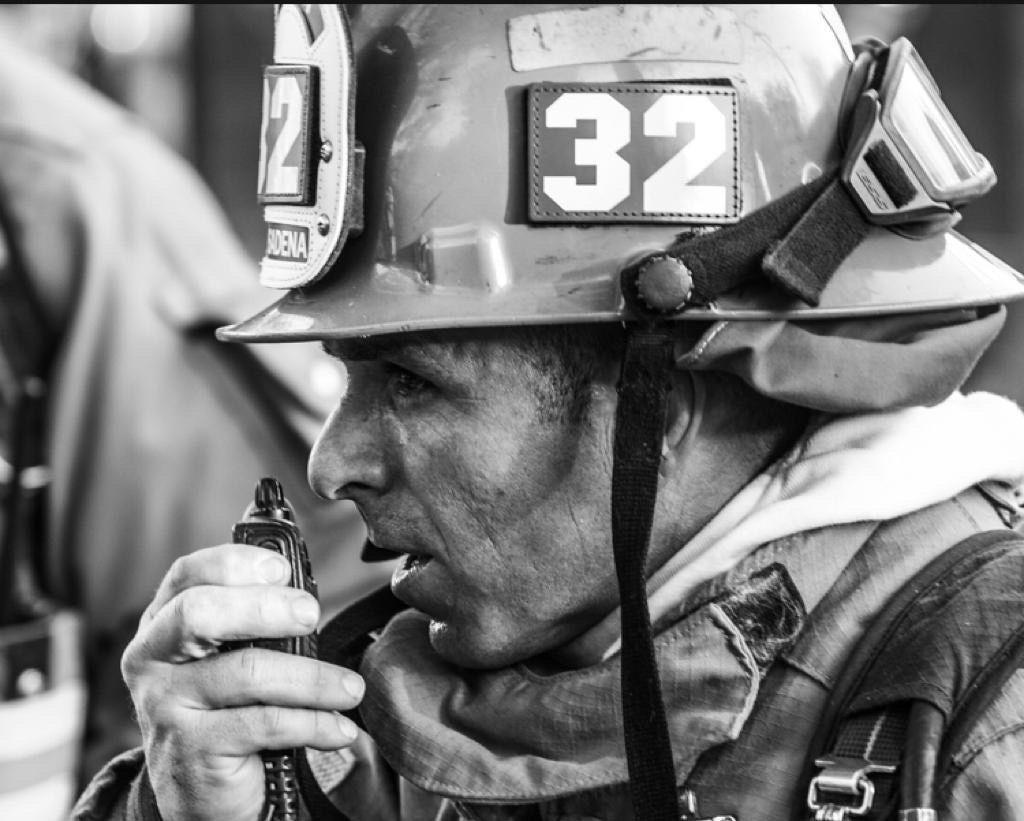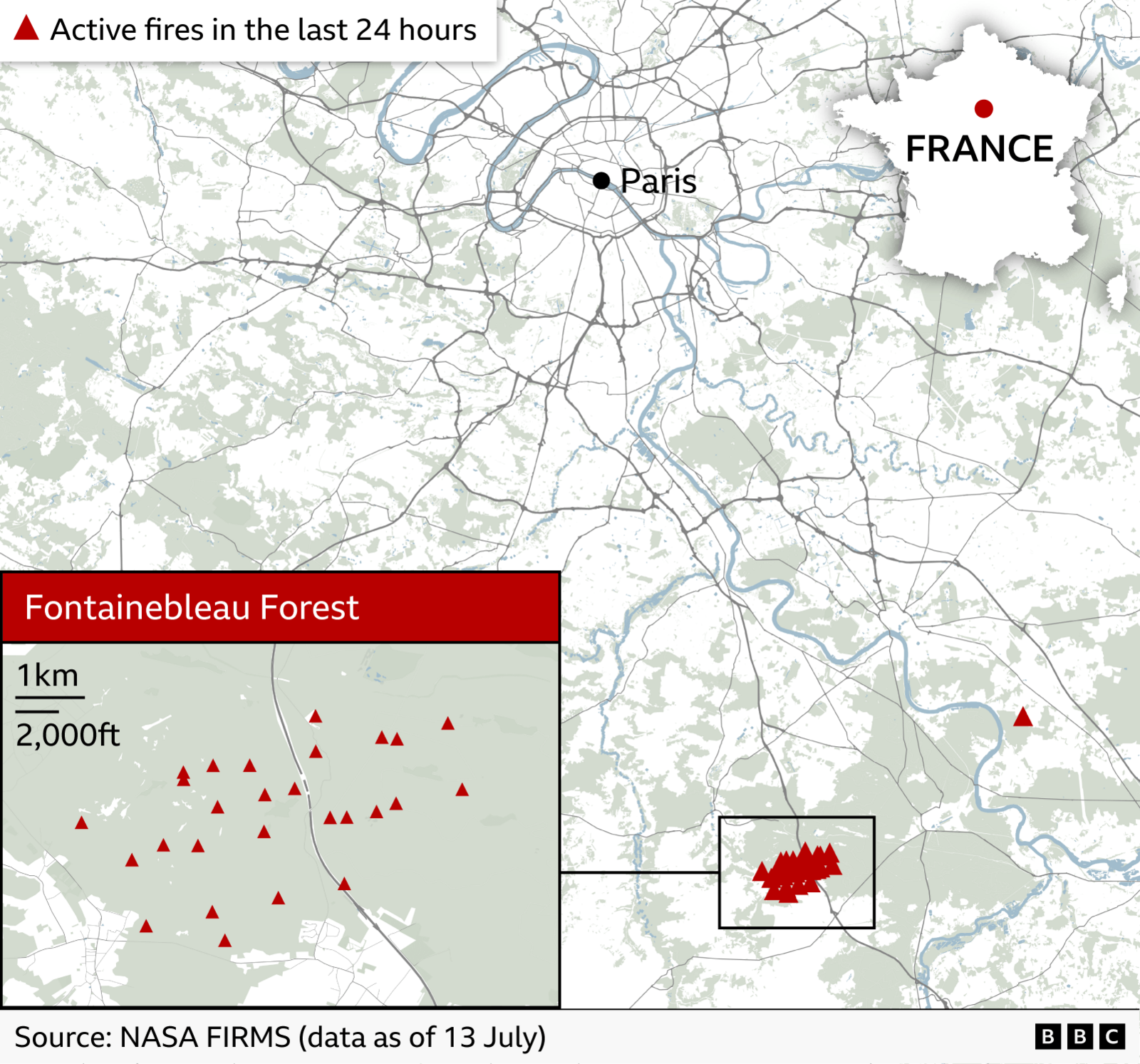
For the second day, French firefighters are battling a massive wildfire in the Fontainebleau forest, just 60 km southeast of Paris. The blaze has spread across 800 hectares, described by officials as “virulent” and “of exceptional scale,” and it has partially shut the north‑south highway that runs through the region.
Interior Minister Laurent Nuñez said the fire may have been deliberately set, after examining the spark pattern. “There were about 10 fire ignition points within a perimeter of 1,000 meters, which suggests that it could have been deliberately set,” he told the press. Two suspects were arrested for “deliberate or accidental arson.”
President Emmanuel Macron echoed these concerns, praising the firefighters and noting that “all available resources are being mobilised” to combat the emergency. He posted a message of solidarity with residents in the affected area.
This heatwave marks the third in Paris this summer, when temperatures have broken records across Europe. The severe fire activity has left signals of the wider climate crisis, forcing the temporary shutdown of three nuclear plants and causing up to six‑hour delays on the high‑speed train line to the south.
Responders deployed two firefighting helicopters, an observation aircraft, and planes normally used in southern France’s drier climates to address the unusual intensity near Paris.
The current activity is part of a larger trend: 25,000 hectares burned in France since the start of the year, and record‑breaking temperatures across Europe have sparked wildfires in Spain, the UK, and the Mediterranean. The raw images and data continue to emphasize the urgent need for coordinated climate action and enhanced fire‑fighting logistics across the continent.