
In brief
As over two million Palestinians in Gaza confront a severe starvation crisis, more than 91 million meals have been provided by the Gaza Humanitarian Foundation (GHF). However, experts have criticized the nutritional quality of the food aid boxes, citing deficiencies that could lead to long-term health issues. The UN highlights a deteriorating water crisis, complicating food preparation for those receiving aid.
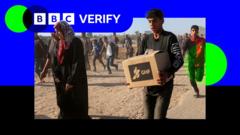
Article text:Over two million Palestinians in Gaza are currently facing a dire starvation crisis, with the United Nations reporting an alarming rise in deaths attributed to malnutrition. Since late May, the Gaza Humanitarian Foundation (GHF), a group supported by both Israel and the United States, has reportedly distributed 91 million meals, primarily through food boxes.Due to restrictions imposed by Israel on international journalists, the BBC has not had direct access to the food boxes; however, it has scrutinized images and alternative data provided by the GHF and consultations with aid specialists. The contents of these boxes, which have been shared in photos, comprise mainly dried food items that require water and fuel for preparation, including pasta, chickpeas, lentils, and wheat flour, along with cooking oil, salt, and tahini. The GHF asserts that these boxes also include some ready-to-eat snacks like halva bars, made from tahini and sugar.According to a "benchmark" list provided by GHF, a typical food box offers approximately 42,500 calories, feeding roughly 5.5 individuals for about 3.5 days. Occasionally, the boxes include substitute items such as tea, biscuits, and chocolate, alongside fresh produce like potatoes and onions, though these are not included in the nutritional analysis.Despite the calorie count, experts identify significant nutritional deficiencies in the food aid. Professor Stuart Gordon from the London School of Economics analyzed the GHF food basket, suggesting it may address immediate hunger but lacks essential nutrients. He remarked, "This basket provides a full stomach but an empty diet," warning that prolonged consumption could lead to "hidden hunger" and diseases like anemia and scurvy.Dr. Andrew Seal from University College London noted deficiencies of calcium, iron, zinc, and various essential vitamins, particularly impacting vulnerable populations such as young children. Unlike GHF, organizations like the UN provide more comprehensive food aid, including specific nutrition targeting for groups at risk.Despite criticisms, the GHF has not addressed inquiries regarding the nutritional guidance for its aid boxes or future plans to rectify the highlighted issues.Compounding the crisis, recipients of the boxes face acute challenges in accessing water and fuel necessary for cooking the dried goods, as Gaza grapples with a pronounced water crisis and severe fuel shortages. The UN's Office of Humanitarian Affairs has reported a rapid deterioration of these conditions, leading families to resort to unsafe cooking methods, including the use of waste materials. The World Food Programme has further revealed that official supplies of cooking gas have ceased and that black market prices have skyrocketed by 4,000% compared to pre-conflict rates. UN Secretary General António Guterres stated this week that Gazans are confronting significant shortages and that malnutrition is rising alarmingly. The World Food Programme has indicated that nearly one in three residents in Gaza go days without food, with malnutrition affecting around 90,000 women and children in urgent need of assistance.

