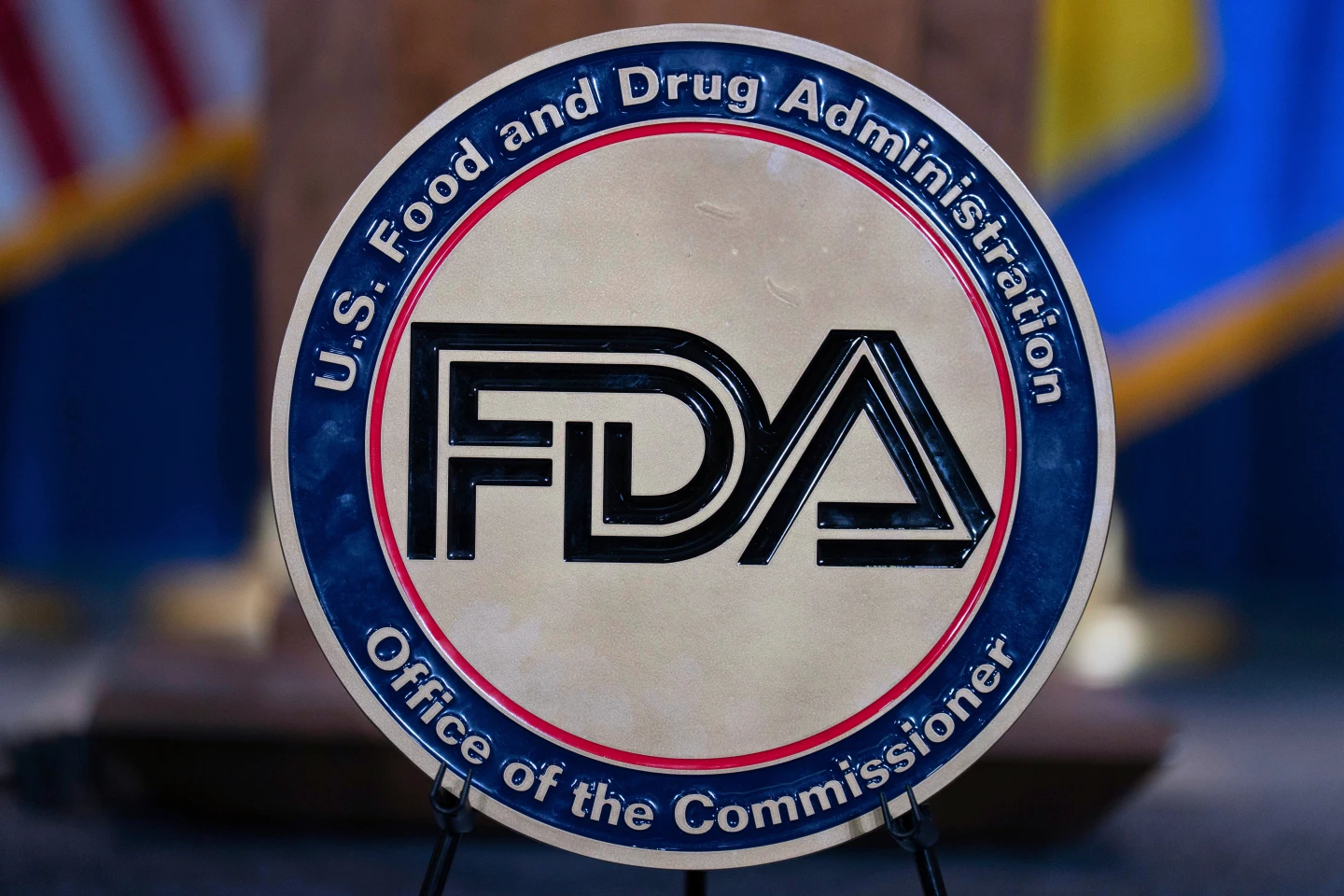
WASHINGTON (AP) — A dozen former leaders of the U.S. Food and Drug Administration (FDA), spanning both Republican and Democrat appointments, have voiced strong opposition to recent assertions from the FDA questioning vaccine safety.
The group criticizes plans outlined in an internal memo from FDA vaccine chief Dr. Vinay Prasad, which allegedly claims that COVID-19 vaccines are responsible for the deaths of ten children without presenting hard evidence. They warn that such assertions could threaten the lives of millions in high-risk groups by creating unnecessary doubt around life-saving vaccines.
In a publication in the New England Journal of Medicine, the former FDA leaders characterize Prasad's proposals as a dramatic departure from the agency's previous responsibility to protect public health. They express concerns that these changes would significantly affect how life-saving vaccines for various infections are administered and monitored.
The internal memo suggests strategic changes in assessing and administering vaccines, including how annual flu vaccinations might be updated and increased scrutiny on the simultaneous administration of multiple vaccines. This aligns with misinformation propagated by vaccine skeptics regarding potential harm from multiple vaccinations.
The controversy comes at a time when U.S. Health Secretary Robert F. Kennedy Jr., known for his past leadership of the anti-vaccine movement, is reportedly trying to overhaul federal vaccine policies, further complicating the landscape of public health communications.
These former FDA officials highlight that Prasad's claims regarding child deaths linked to COVID-19 vaccinations stem from a report tracking system that does not possess sufficient medical data to substantiate those links. They argue that significant evidence supports the vaccines' efficacy in reducing serious illnesses and hospitalizations among children.
Ultimately, they contend that the proposed changes threaten to discard established scientific practices for evaluating vaccine updates, potentially slowing down vaccine innovation and making the process less transparent for the public.