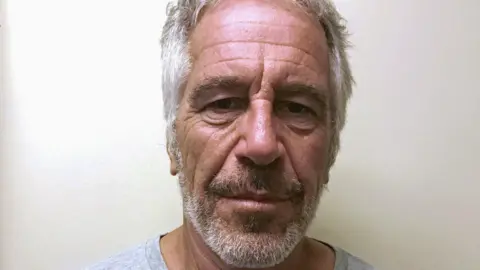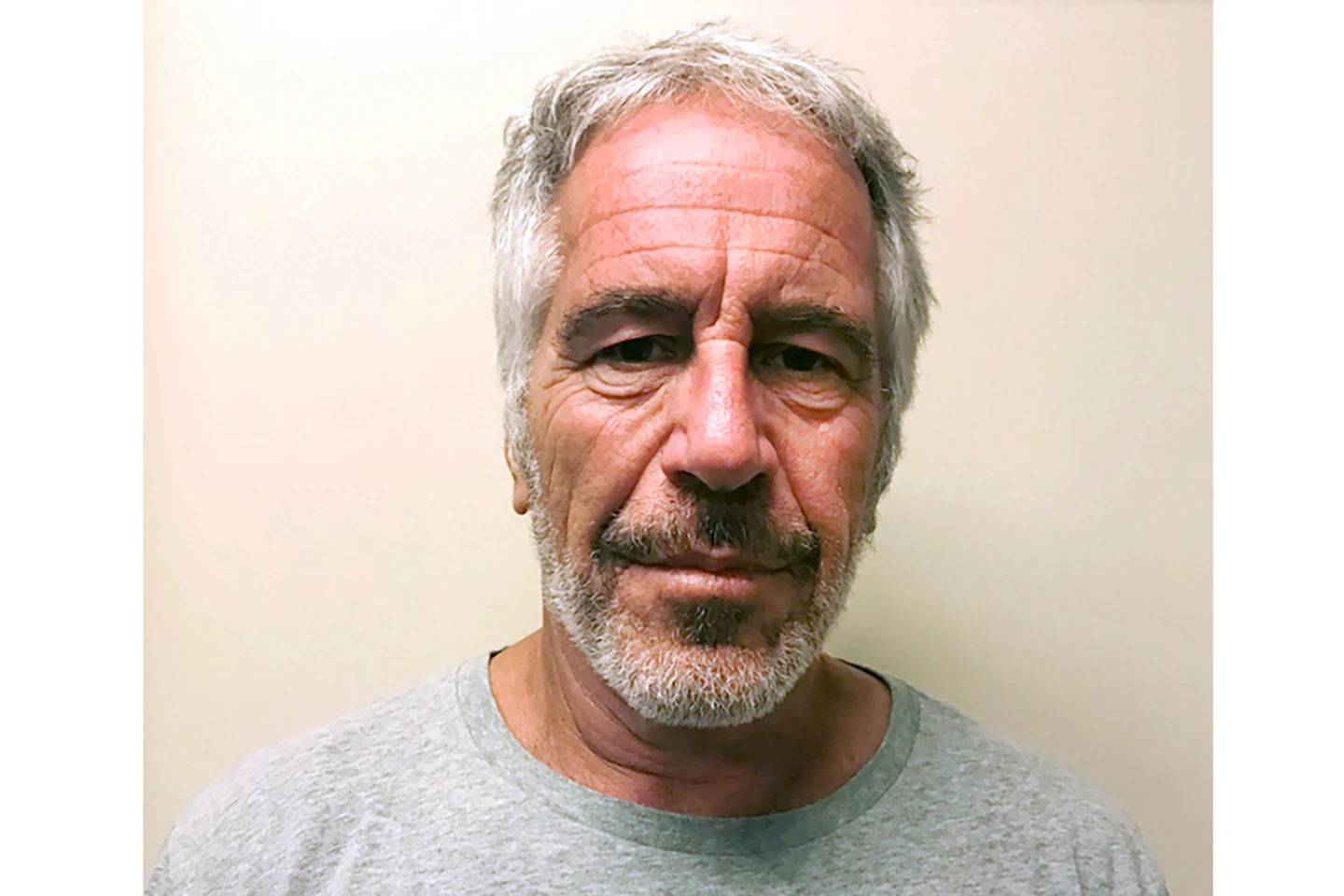
The release of thousands of pages of documents related to the late sex offender Jeffrey Epstein's abuse has left some who were anxiously awaiting the files disappointed.
The documents' release was prompted by an act of Congress that directed the US Justice Department (DOJ) to make materials related to Epstein's crimes public. However, many documents are heavily redacted, with some not available for public access at all.
Lawmakers who advocated for the release criticized the Justice Department's effort as insincere and incomplete. Some legal experts shared concerns that the extensive redactions could fuel existing conspiracy theories surrounding Epstein's case.
In response, Deputy US Attorney Todd Blanche defended the department's actions, stating that over 1,200 victims or their relatives were identified, and sensitive materials were withheld to protect their identities.
The released information included notable figures related to Epstein's life, such as a photo of his confidante Ghislane Maxwell and an alleged document linking Epstein to a 14-year-old girl introduced to Donald Trump. Both Trump and former President Bill Clinton have denied any wrongdoing regarding Epstein.
Survivor Liz Stein characterized the Justice Department's actions as “brazenly” opposing the Epstein Files Transparency Act, emphasizing the desire for complete transparency and context to the information being shared.
Many survivors expressed frustration over the potential for a “slow roll-out of incomplete information,” underscoring their call for all evidence surrounding Epstein’s crimes to be made public.
The response from Congress has included threats of potential consequences for Justice Department officials if the redactions are not adequately explained within the allowed 15 days of release, sparking ongoing debate about accountability and transparency in the handling of Epstein’s case.