
In brief
Islamist protests cancel multiple women's football matches in Bangladesh, highlighting rising tensions around women's rights and participation in sports.
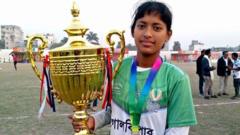
In northern Bangladesh, Asha Roy, a 17-year-old aspiring football player, faced the disappointment of her dreams being dashed when Islamist protests led to the cancellation of her women's football tournament. This latest disruption occurred in the Rangpur region, where the Islami Andolan Bangladesh group rallied against the event, labeling it un-Islamic. To ensure their safety, police advised team members to return home, leaving many feeling frustrated and frightened. “We had never faced such a situation before," Asha expressed.The atmosphere in Bangladesh, a primarily Muslim nation, is tense as it undergoes a significant political transition. Following the ouster of an authoritarian government last year, Islamist factions, previously marginalized, have gained renewed momentum. The cancellation of the tournament marked the third instance in less than two weeks where Islamist objections halted women's football matches in northern Bangladesh. Clashes erupted in Dinajpur when these groups confronted locals who supported the games, leading to casualties.For many, including Asha, sports represent a vital pathway to empowerment and socio-economic betterment. Success in sports can lead to opportunities on regional or even international teams—an aspiration for many young athletes, inspired by the national women’s team’s triumphs in regional championships. Teammate Musammat Tara Moni remains undeterred, expressing her commitment to pursue her dreams of representing Bangladesh despite the threats.Coach Nurul Islam, who has guided the team through various competitions for years, found this resistance particularly surprising. The Islamist group's leader, Maulana Ashraf Ali, emphasized their stance against women’s participation, insisting that football should comply with strict religious guidelines.The backlash over the canceled matches has ignited concern on social media, prompting authorities to act; one game was reorganized, and an investigation into the protests was launched. However, some government officials dismiss claims of succumbing to Islamist pressures, asserting that women’s sports events have proceeded elsewhere without issue.Despite these efforts, scholars, like Samina Luthfa from the University of Dhaka, find the scenario alarming and vow that women will continue to fight for their rights to participate in all aspects of society. Amidst these troubling dynamics, the interim government has taken steps that alarm many, including lifting a ban on the Islamist party Jamaat-e-Islami and releasing individuals tied to extremist groups.The rise of Islamist extremism has plagued Bangladesh for years, leading to violence against various groups, including secular bloggers and religious minorities, and most recently against women's activities. The recent vandalism of a book stall and attacks on Sufist shrines signal a broader trend of intolerance that many fear could increase.As protests against the interim administration continue, observers warn that unchecked Islamist extremism may lead to further restrictions on women's public life. Rights activists advocate for a more profound commitment to women's rights as an essential battle in protecting Bangladesh's liberal values. “The women of Bangladesh will not stop playing football and will fight to maintain their place in society," said Shireen Huq, a prominent figure in the movement for women's rights.
