
In brief
Matthew Livelsberger, an active-duty US army member suffering from PTSD, died in a Tesla Cybertruck explosion in Las Vegas. Authorities confirmed the incident was a tragic case of suicide, unrelated to a concurrent attack in New Orleans.
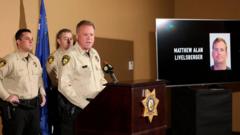
The tragic explosion of a Tesla Cybertruck outside the Trump Hotel in Las Vegas has been linked to the mental health struggles of its driver, Army member Matthew Livelsberger. The FBI has reported that the incident, which occurred early Wednesday morning, is a "tragic case of suicide" and involves no animosity toward former President Donald Trump. Livelsberger, 37, was an active-duty soldier from Colorado, battling post-traumatic stress disorder (PTSD) and other personal issues.FBI officials emphasized that the explosion was not connected to a recent deadly truck attack in New Orleans, which left 14 dead on New Year's Day. "Investigative steps have determined that he likely suffered from PTSD, alongside potential family issues," said Las Vegas FBI agent Spencer Evans. Data from Livelsberger’s phone revealed notes expressing distress over his combat experiences and grievances about military leadership.The soldier's identity was confirmed through DNA from a family member. Livelsberger was found dead inside the burned Cybertruck, which exploded from fireworks purchased during his journey from Colorado to Las Vegas. Authorities uncovered he had also suffered a self-inflicted gunshot wound. Despite airing political discontent, he labeled the event as "not a terrorist attack" but a "wake-up call" in his writings.A decorated Special Forces intelligence sergeant stationed in Germany, Livelsberger was on approved leave to visit his family over the holiday period. His father shared that the last communication was over Christmas and indicated no alarming issues at that time. Past relationships revealed his struggles with traumatic brain injury leading to intense emotions regarding his military service. Surveillance data illustrated Livelsberger's activities leading up to the incident, including the rental of the Tesla and the legal purchase of firearms. While he had driven over 800 miles to Las Vegas and selected the Trump Hotel area for the explosion, officials remain unclear as to why this specific location was chosen among several options.In the aftermath, seven individuals sustained minor injuries from the explosion but have since recovered. The investigation continues with authorities working to gather more insights from Livelsberger's electronic devices, suggesting there is still significant data yet to be processed. For those struggling with similar issues, resources are available including the US Suicide and Crisis Lifeline at 988.
