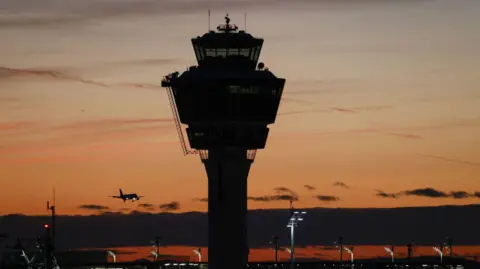
Germany has accused Russia of a cyber-attack on air traffic control and attempted electoral interference, and summoned the Russian ambassador.
A foreign ministry spokesman stated that Russian military intelligence was behind a 'cyber-attack against German air traffic control in August 2024'. The spokesman also noted Russia's attempts to influence the federal election scheduled for February, which further strains relations amidst ongoing tensions over Russia's actions since its invasion of Ukraine in 2022.
The accusations have been met with a categorical denial from Russia, which described the claims as 'absurd'.
In a statement, Russia's embassy in Berlin dismissed the allegations as baseless, asserting that these accusations of state involvement in hacking activities are unfounded. The German Foreign Ministry has announced that they would coordinate with European allies to implement counter-measures to hold Russia accountable for these 'hybrid actions'.
The August attack is believed to be linked to a notorious group known as Fancy Bear, associated with previous major cyber incidents globally.
Additionally, the German authorities confirmed cases of hacking directed at their air navigation service provider. Fortunately, operations remained unaffected during that period.
Amid this exigency, Germany is determined to reinforce its internal and external security amidst escalating cyber threats from Russia, especially detailed intelligence showing a concerted effort to meddle in Germany's political landscape.
Chancellor Friedrich Merz has emphasized the necessity of leveraging frozen Russian assets to support Ukraine and has accused Russia of continuing cyber warfare efforts against Germany since the onset of the conflict.
Relations between Germany and Russia had already been tense due to historical incidents, illustrating a complicated and deteriorating diplomatic relationship, propelled further by the recent developments.