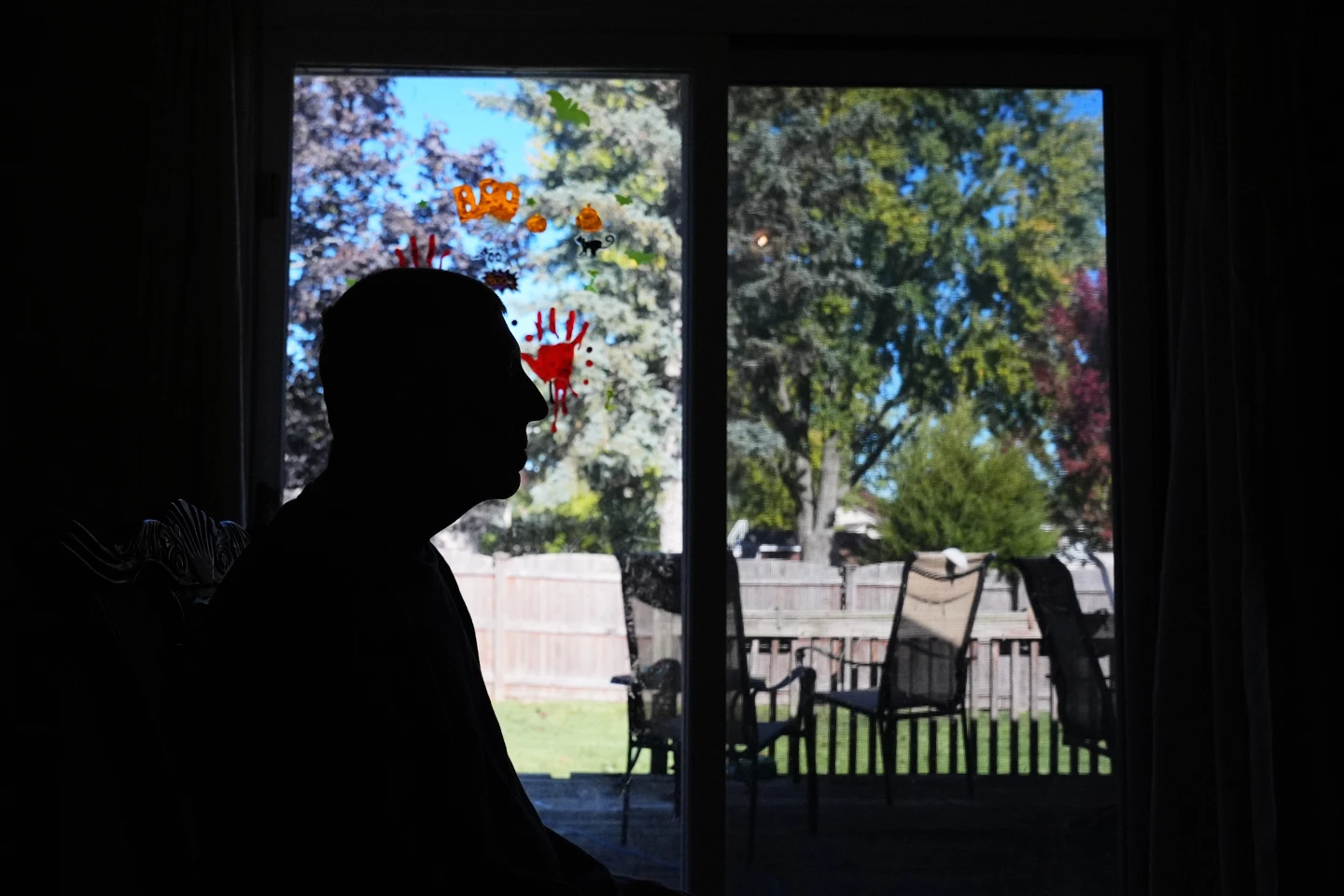
MINOOKA, Ill. (AP) — Bill Swick faces daily challenges due to a rare degenerative brain disease that impacts his mobility and speech. With the convenience of telehealth services ending abruptly due to the ongoing federal government shutdown, he has been forced to revert to old strategies for managing his condition.
The shutdown has hit hard for many Medicare patients who depended on virtual medical appointments made available during the COVID-19 pandemic. Many individuals, especially seniors who are often homebound or have mobility issues, are left in the dark, unable to continue vital therapies.
Martha Swick, Bill's wife and caregiver, expressed frustration as they attempt to continue his therapy regimen without the guidance of their speech therapist, who was supported by Medicare funding. “It feels like we’ve hit a wall,” she stated, reflecting the sentiment shared by many in similar situations.
The lapse in telehealth services and funding comes as Congress struggles to reach an agreement on a budget, leaving millions of Medicare beneficiaries facing limited healthcare options. The repercussions of losing telehealth access are particularly dire for those with chronic conditions or disabilities who require consistent care.
Medical practitioners across the country are forced to navigate the uncertain landscape, with many reducing or halting telehealth offerings altogether. This has raised concerns among healthcare professionals about the potential for increased social isolation and overall worsening of health conditions for patients who can no longer attend appointments in person.
Experts such as Dr. Faraz Ghoddusi have warned that the disruption in telehealth services can lead to severe health consequences, including increased emergency room visits. The ongoing debate in Congress, meanwhile, shows little sign of resolution, leaving patients like Bill Swick and their families to navigate an increasingly complex healthcare environment without the support they desperately need.