
In brief
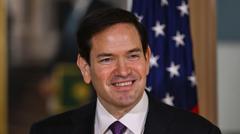
As Iran's parliament weighs a plan to close the Strait of Hormuz, US Secretary of State Marco Rubio urged China to intervene, highlighting the economic risks posed by potential disruptions to this crucial shipping lane. The Strait of Hormuz, a key conduit for around 20% of the world's oil, has recently seen oil prices surge following US strikes on Iranian nuclear sites.
Rubio expressed concerns over Iran's plans during a Fox News interview, pointing out that closing the Straits represents "economic suicide" for Tehran, as they depend on this route for oil exports. Iran's actions could severely impact global markets, particularly affecting major oil-importing nations like China, which relies heavily on Iranian oil. Iran's decision-making regarding the Strait ultimately rests with its Supreme National Security Council, and experts predict that any attempt to obstruct access would alienate regional partners and harm its own economy. Energy analysts reiterated that Iran stands to lose significantly more than it could gain from such a drastic measure. In response to the volatile situation, the US has fortified its defense posture in the region as tensions escalate following the recent military engagements against Tehran's nuclear capabilities. Meanwhile, China has condemned US actions, urging for restraint and a ceasefire to stabilize the precarious Middle Eastern landscape. As this geopolitical drama unfolds, the global ramifications of the decisions taken by Iran, the US, and China's potential involvement will be closely observed by markets around the world.
