In brief
A National Transportation Safety Board hearing is set to discuss the factors behind the January midair collision near Washington D.C. that resulted in the death of 67 people, including 28 figure skating community members. Families of the victims seek clarity and legislative changes to prevent future tragedies. Legislative responses and updates from authorities following the hearing will determine the next steps in aviation safety reforms.
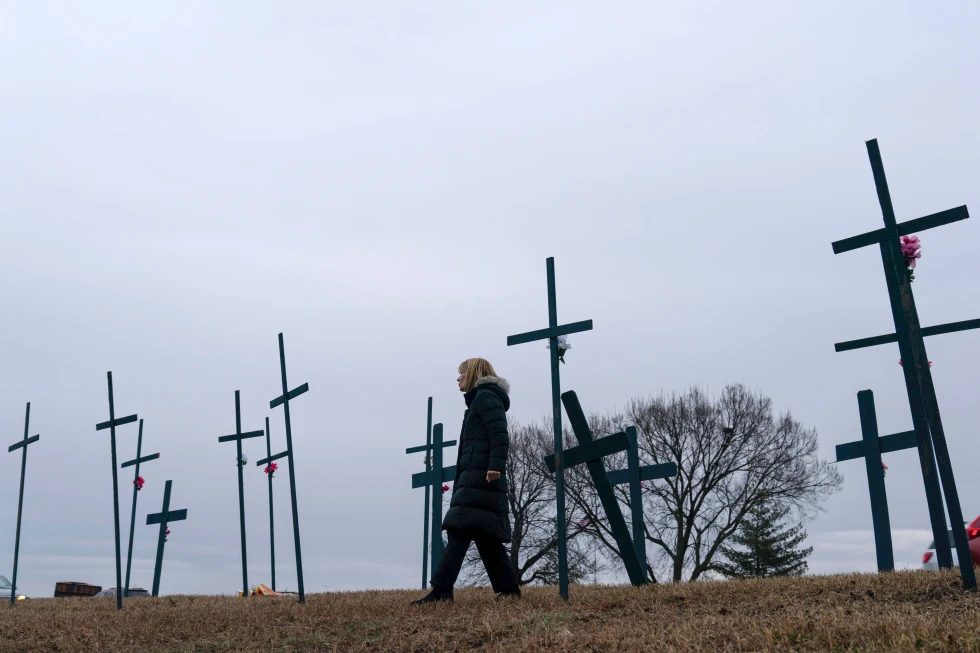
A daylong hearing scheduled for Tuesday aims to clarify what factors contributed to January's catastrophic midair collision that claimed the lives of 67 individuals, including 28 members of the figure skating community. The National Transportation Safety Board (NTSB) will evaluate the incident and propose measures to avert similar occurrences in the future. The tragedy occurred when an American Airlines flight traveling from Wichita, Kansas collided with an Army Black Hawk helicopter, crashing into the icy Potomac River on January 29, 2025, marking it as the deadliest aviation disaster on U.S. soil since 2001.In response to the incident, the Federal Aviation Administration has implemented rules that prevent aircraft from sharing the congested airspace above the capital. However, further recommendations from the NTSB and advocacy from the victims’ families are vital for instigating state and congressional actions aimed at aviation safety reform. Victims' relatives express their hope for a decisive response following the hearing.Among the deceased were young sisters Alydia and Everly Livingston, whose family is actively pushing for significant changes to prevent such tragedies from recurring. The NTSB has previously outlined key crash factors, including improper helicopter routing and a system failure preventing accurate aircraft location broadcasts. Following the incident, the total number of aviation crashes in the U.S. saw a noticeable decline, yet concerns over aircraft safety remain urgent.