
In brief
Hurricane Melissa, a potent Category 4 storm packing winds of 130 mph, is forecasted to make landfall early Wednesday in eastern Cuba, compelling the evacuation of more than 700,000 residents. The storm has already wreaked havoc in Jamaica, causing significant flooding and power outages, leaving many without basic amenities. As the hurricane approaches, forecasters warn of potential landslides and dire economic repercussions for Cuba, exacerbating the nation’s current crisis.
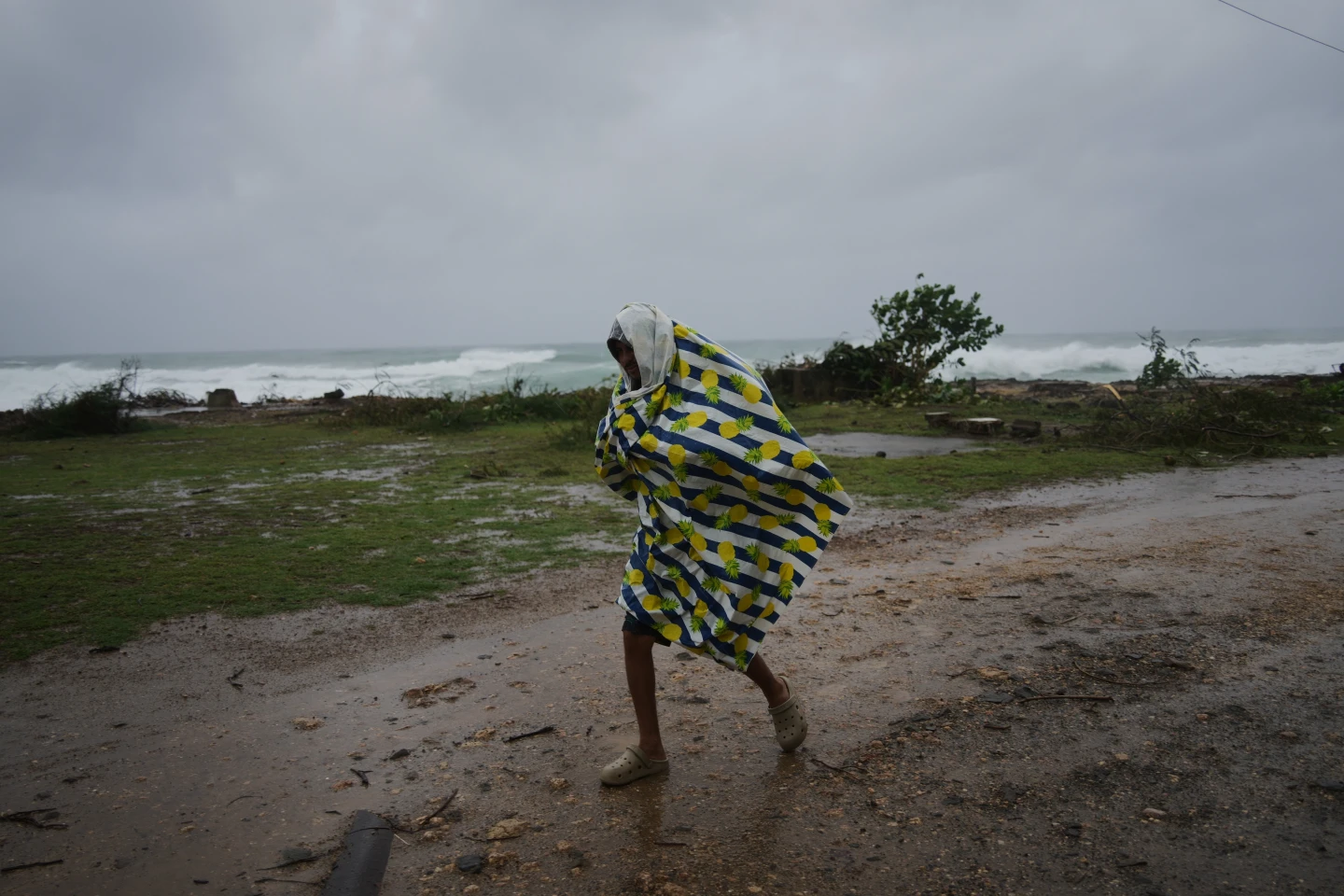
SANTIAGO DE CUBA, Cuba (AP) — Hurricane Melissa barreled toward eastern Cuba, where it was expected to make landfall as a major storm early Wednesday following its destructive passage through Jamaica as one of the strongest Atlantic hurricanes on record.
Authorities in Cuba had evacuated more than 700,000 people, according to Granma, the official newspaper, and forecasters projected the Category 4 storm would unleash catastrophic damage in Santiago de Cuba and surrounding areas.
A hurricane warning was in effect for the provinces of Granma, Santiago de Cuba, Guantanamo, Holguin, and Las Tunas, as well as for the southeastern and central Bahamas. A hurricane watch was issued for Bermuda.
On Tuesday night, the hurricane had top sustained winds of 130 mph (215 kph) and was moving northeast at 9 mph (15 kph), according to the U.S. National Hurricane Center in Miami. The hurricane was centered about 110 miles (175 kilometers) southwest of Guantánamo, Cuba, with forecasts indicating it would sweep across the island overnight.
The storm is predicted to generate a storm surge of up to 12 feet (3.6 meters) in the region and deliver as much as 20 inches (51 centimeters) of rain across parts of eastern Cuba. Numerous landslides are likely, experts warn.
The hurricane poses a serious threat to Cuba's already fragile economy, which has been grappling with prolonged blackouts, fuel shortages, and food scarcity. President Miguel Díaz-Canel acknowledged the potentially severe impact, stating during a televised address that “there will be a lot of work to do” following the storm.
As preparations intensified in Cuba, officials in Jamaica began surveying the damages left by Melissa, reporting extensive flooding and damage, particularly in southern parishes. Approximately half a million customers were without power as rescue efforts proceed, following the storm's impact that has already claimed seven lives across the Caribbean.
As the island braces for the storm, schools across provinces from Guantánamo to Camagüey had already suspended classes on Monday, with officials expressing heightened caution about the hurricane's power and anticipated repercussions.