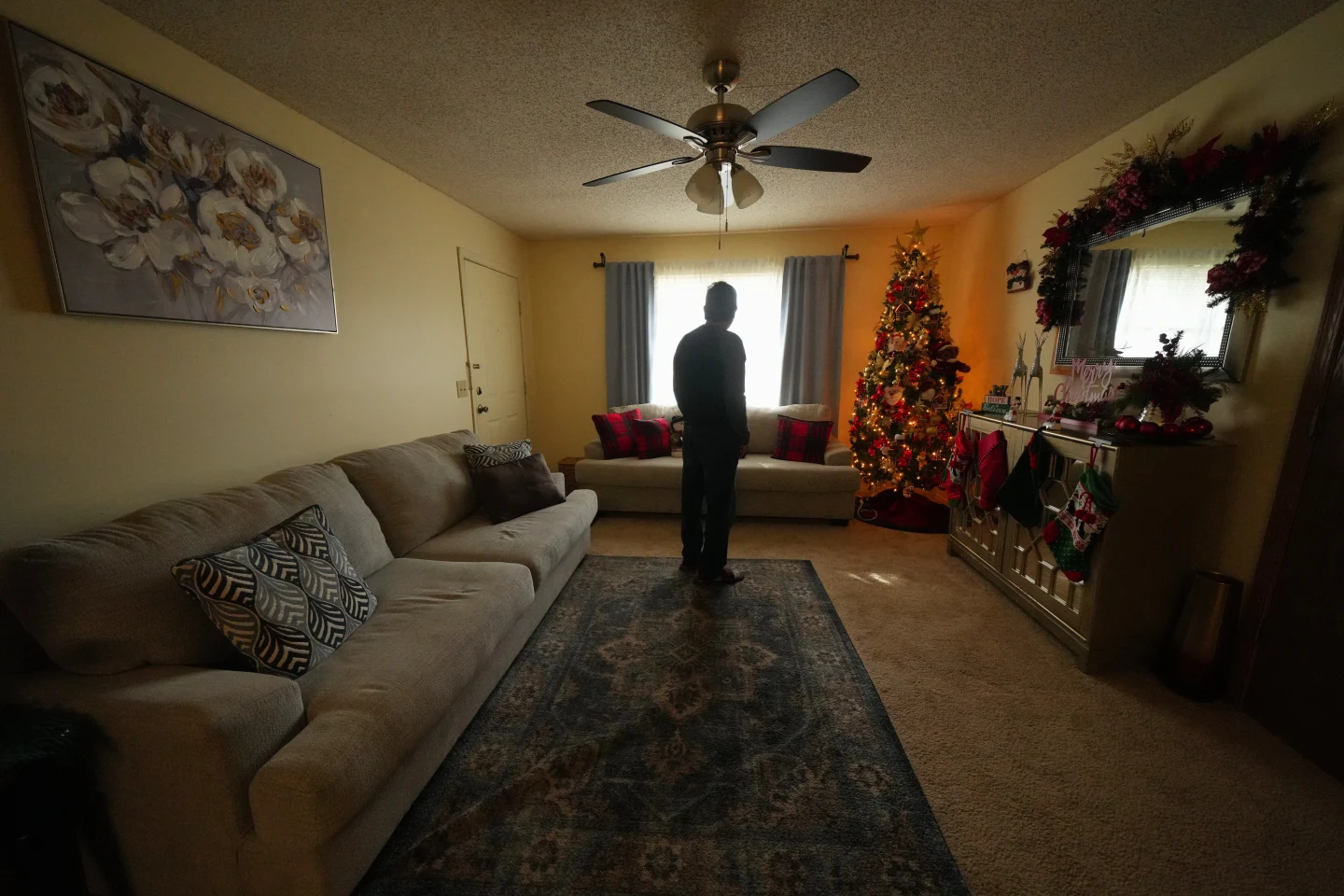
ROGERS, Ark. — As a legal permanent resident and mother of six, Cristina Osornio's life took a drastic turn during a routine traffic stop. A single citation for driving without insurance led to her being held for days as she sat in jail under an Immigration and Customs Enforcement (ICE) hold, instigating a spiral of fear that many in the immigrant community are now experiencing in Arkansas.
Osornio’s ordeal began soon after her husband, the family’s primary provider, was deported back to Mexico. The couple had been together for eight years, sharing a life that began with Edwin Sanchez-Mendoza crossing the border illegally as a teenager. After multiple challenging encounters with law enforcement, including a domestic violence case that left him vulnerable, he found himself detained and subsequently deported.
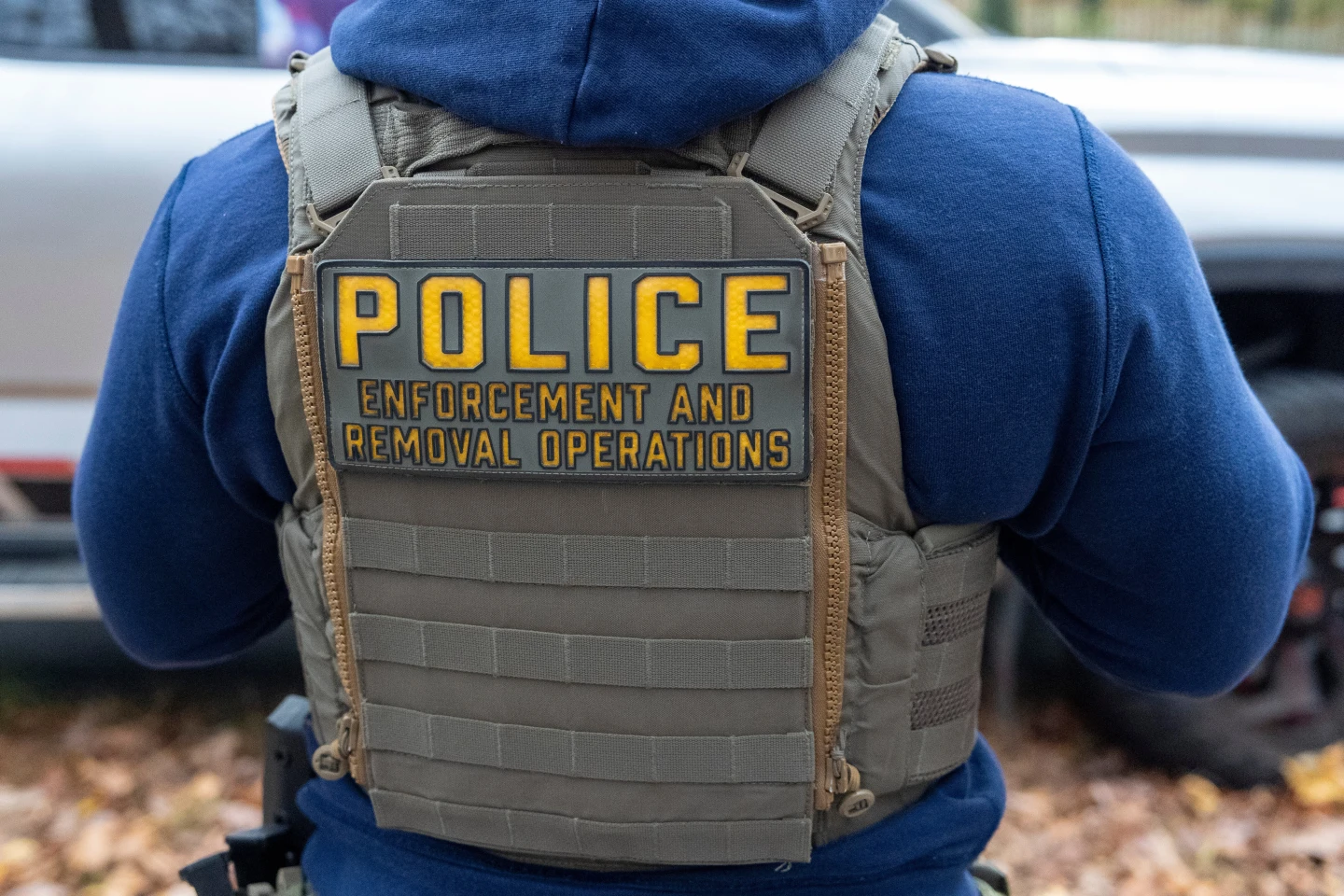
The link between local law enforcement and ICE has significantly tightened in Arkansas, with the state’s programs reflecting a broader trend across Republican-led states to aggressively pursue immigrants—often for minor infractions. In Benton County, ICE has conducted over 450 arrests within a single year, with many born of misdemeanor charges that turn into deportation proceedings.
“Nobody is safe at this point because they are targeting you because of your skin color,” Osornio lamented, reflecting the fears of many immigrants who now feel vulnerable amidst rising police engagements. As warnings about ICE detentions ripple through communities, even those who possess legal documentation now approach life with hesitance.
The consequences for Osornio have been severe. After losing her home and struggling to keep up with her bills following her husband’s deportation, she faces a rapidly deteriorating situation, leading to health crises, such as a stroke that worsened her physical condition. Despite her resilience, uncertainty looms large, as she considers a painful decision regarding relocating her family to Mexico, caught between the threats of cartel violence and the injustices of ICE enforcement.
This disturbing narrative raises critical questions about the future of immigrant rights and community policing, revealing how current partnerships may ultimately fracture families and sow deep divisions within society.