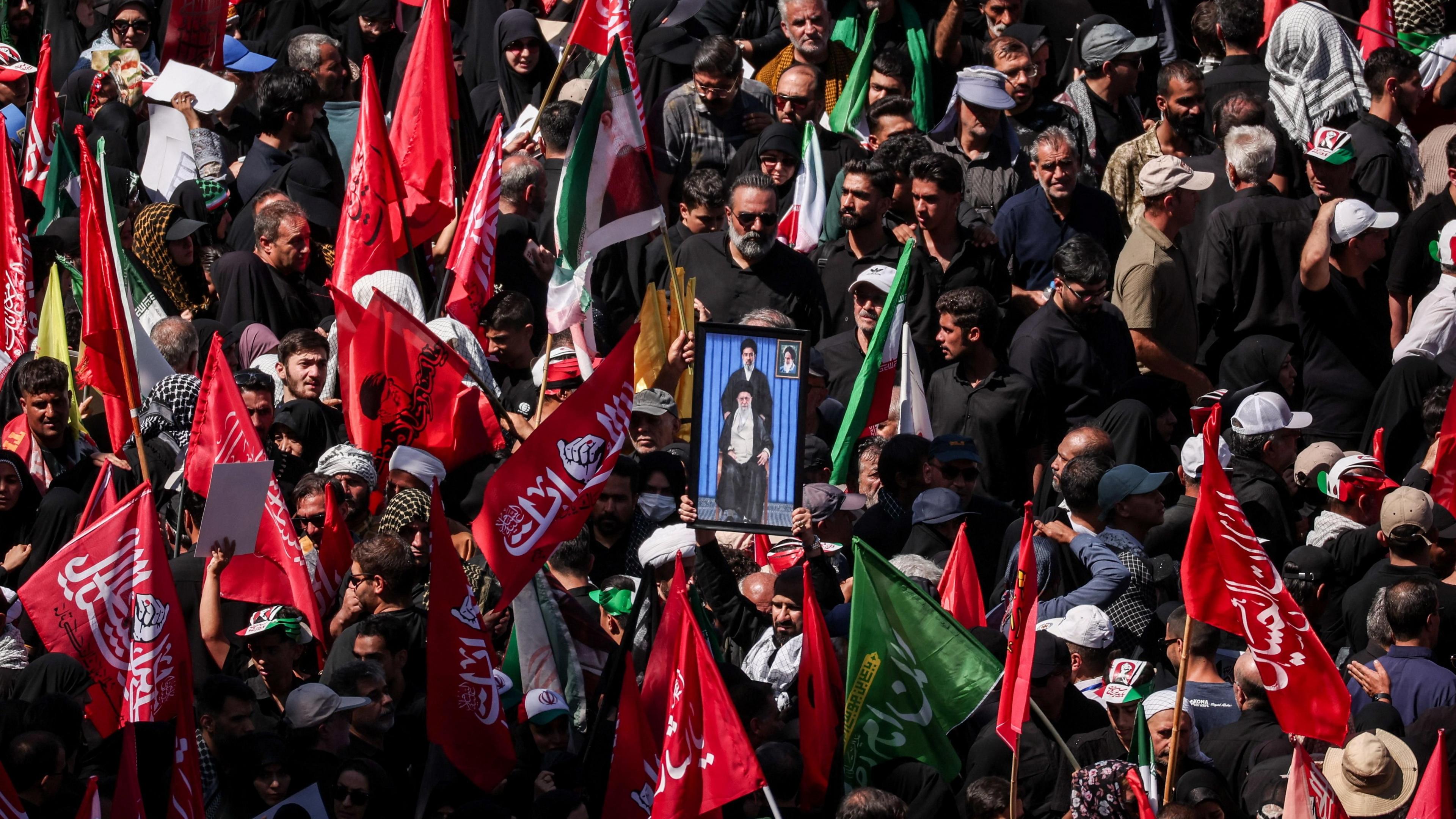
Athat heart of the ongoing Middle East conflict, Iranian Supreme Leader Ayatollah Mojtaba Khamenei released a public statement demanding revenge after an air strike on 28 February killed his father, Ayatollah Ali Khamenei.
In the statement, read aloud on state television, he said vengeance was the “will of the nation” and pledged that the mission of avenging the martyr’s blood would continue, regardless of who was present in the leadership, including himself.
For the first time since his father’s funeral ceremonies began, Khamenei’s words signaled a hard‑line stance that could intensify tensions already frayed by the war that began with US and Israeli attacks against Iranian positions.
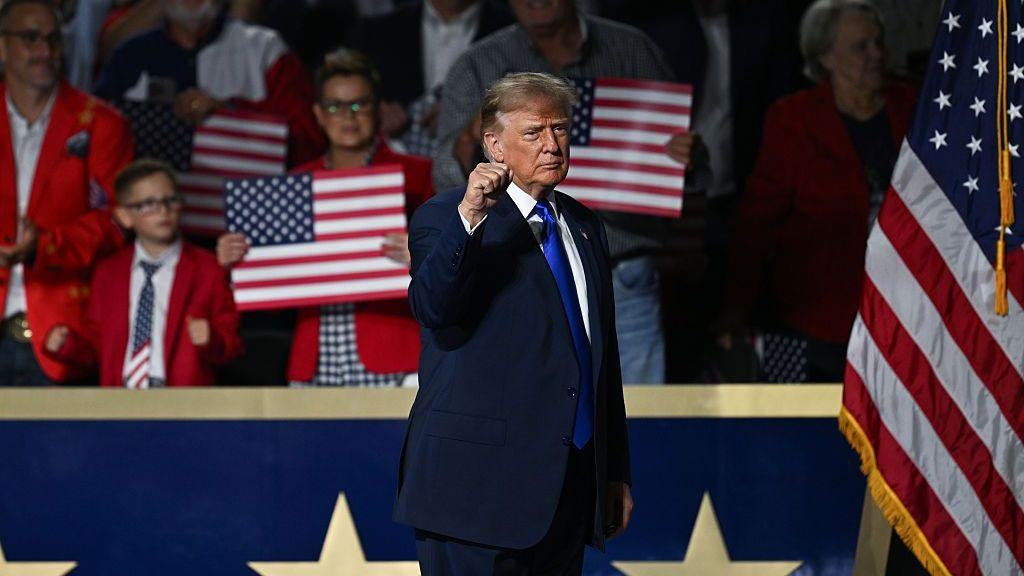
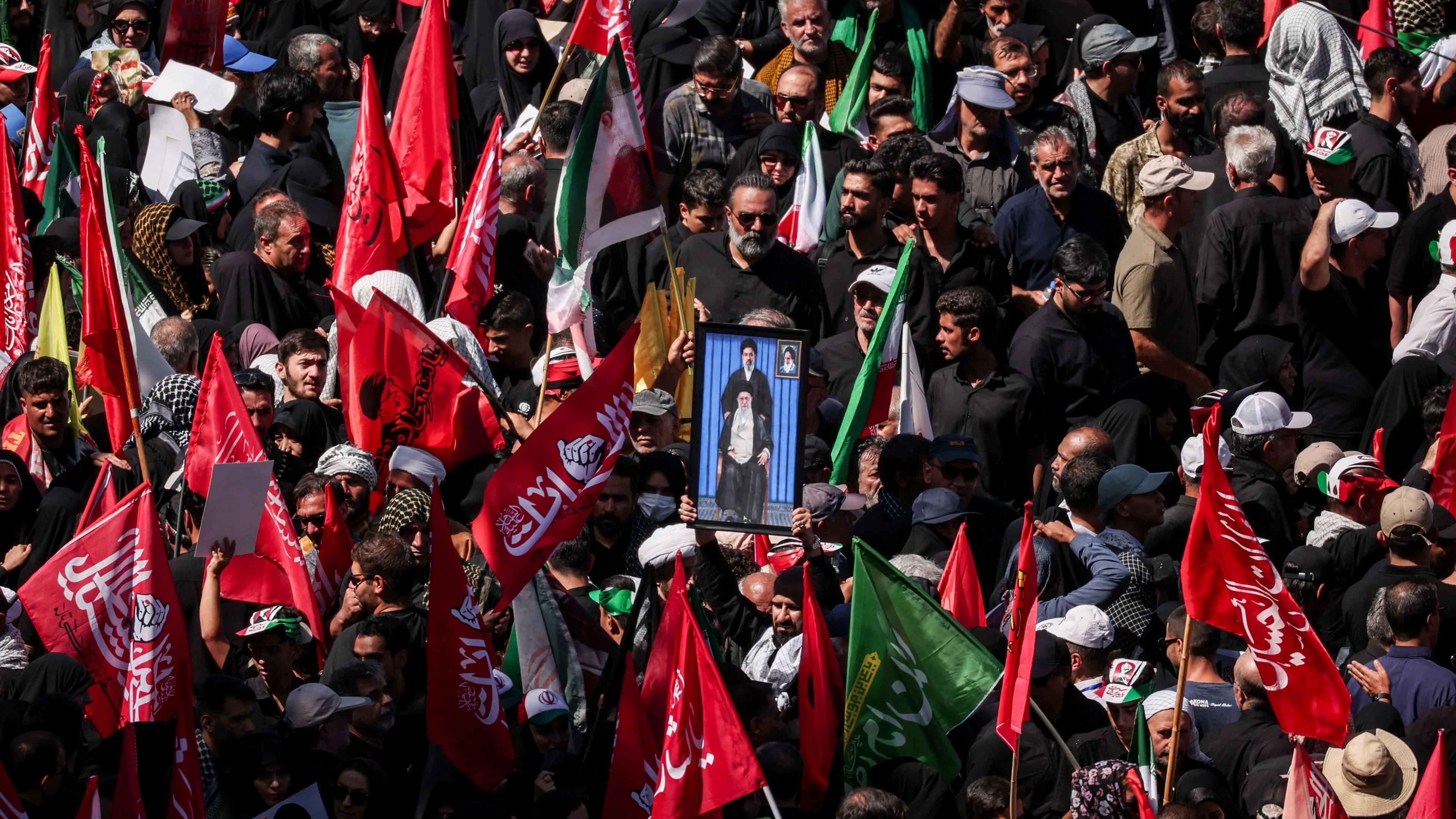
Funeral crowds in Mashhad were reported carrying placards demanding the assassination of U.S. President Donald Trump, who has openly warned Tehran that any such plans would provoke “decimate and destroy all areas” of Iran in response.
Although Trump has denied that Iran or Israel shared intelligence about a new assassination plan, the statement from Khamenei and the crowd slogans show the Iranian narrative of retribution is gaining ground amid continuing strikes against U.S. allies in the Gulf.